California Plumbers: Salaries, Skills, and How to Start in 2025
When you think of a California plumber, a licensed tradesperson who installs and repairs water systems, gas lines, and drainage in homes and buildings. Also known as pipefitter, it’s one of the most in-demand skilled trades in the state, especially as older workers retire and new construction booms. Unlike many white-collar jobs, plumbing doesn’t require a four-year degree—just hands-on training, a license, and the willingness to show up every day.
California plumbers don’t just fix leaks. They work with complex systems that must meet strict state codes. That means knowing how to read blueprints, handle high-pressure lines, and use tools like pipe cutters, wrenches, and drain snakes. Many also install water heaters, sump pumps, and even smart irrigation systems. The best ones learn to diagnose problems fast—often by listening to water flow or spotting subtle signs of corrosion. It’s not magic. It’s experience.
Pay varies by city, experience, and specialization. In Los Angeles or San Francisco, a licensed plumber can make $35 to $65 an hour. In smaller towns, it’s closer to $25 to $45. Master plumbers who run their own businesses or handle emergency calls after hours often clear six figures. Certifications in green plumbing, gas line installation, or commercial systems can push your pay even higher. You don’t need to be a math genius—you just need to know how to measure, calculate angles, and use a calculator app on your phone.
Training starts with an apprenticeship. Most California plumbers begin by joining a union program or working under a licensed contractor. These programs mix paid on-the-job work with classroom learning. You’ll learn about the Uniform Plumbing Code, safety standards, and how to handle materials like copper, PEX, and PVC. After 4 to 5 years, you can take the state exam to become a licensed journeyman. From there, it’s another 2 years before you can apply for a master license.
What’s driving demand? Aging infrastructure. Many California homes built in the 1950s and 60s still have original pipes. Water restrictions mean smarter systems are needed. And with more people working from home, kitchen and bathroom remodels are up. Plumbers who know how to install tankless water heaters, water filtration systems, or low-flow fixtures are in high demand.
You’ll find plenty of guides here on how to break into plumbing, what tools to buy first, how to study for the license exam, and how to avoid common mistakes new apprentices make. You’ll also see real salary data from different parts of the state, comparisons with other trades like electricians and HVAC techs, and tips on getting paid while you train through state-funded programs. Whether you’re 18 or 45, it’s not too late to start. The tools are simple. The work is essential. And in California, there’s always a job waiting.
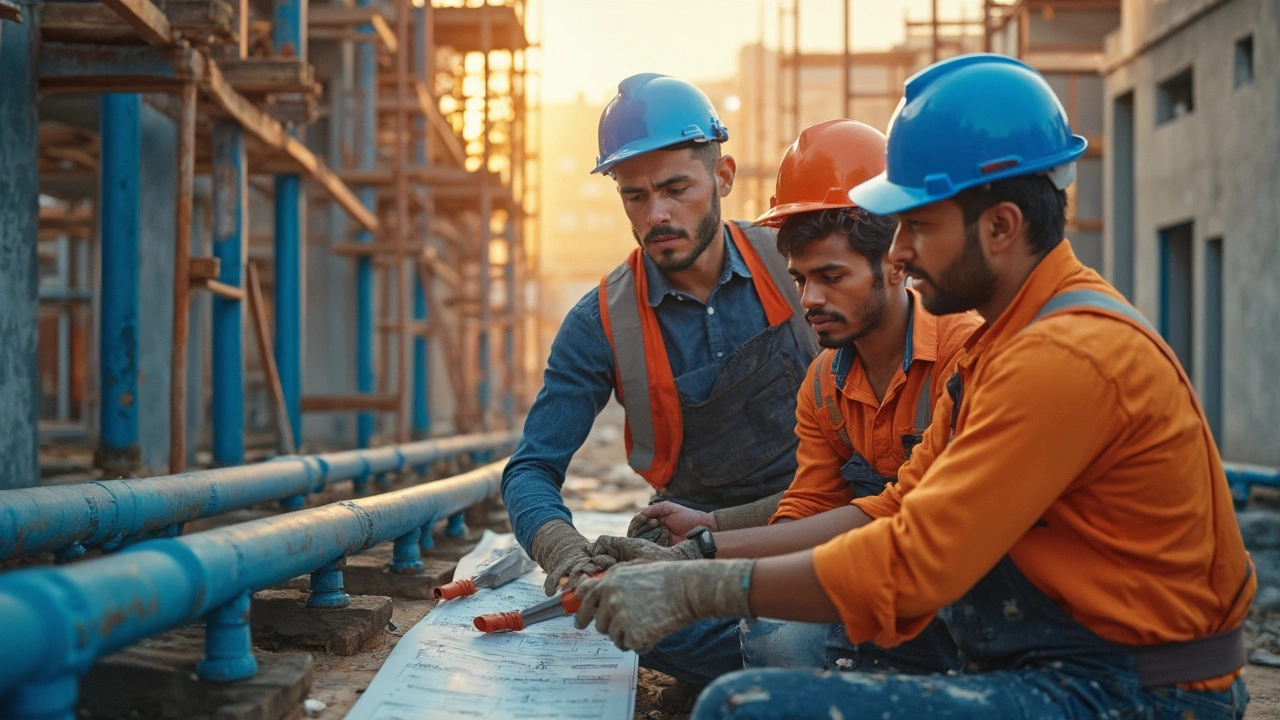
How Much Do Plumbers Make in Cali?
Curious about how much plumbers can earn in California? Dive into this detailed guide that explores the financial opportunities for plumbers in the Sunshine State. Learn about average salaries, factors affecting pay, training options, and tips to maximize your earnings. Discover why plumbing might be a lucrative career choice in California.
Details +