Diploma Courses in India: What They Are, Who They’re For, and How to Choose
When you hear diploma courses in India, short-term, job-focused programs that give you practical skills without a full degree. Also known as vocational diplomas, they’re designed for people who want to start working faster—whether you’re fresh out of school, looking to switch careers, or need to upskill while keeping your job. These aren’t theoretical degrees. They’re hands-on. You learn how to wire a circuit, run a digital ad, fix a printer, or code a basic app—skills employers actually need right now.
Diploma course duration, typically ranges from 6 months to 2 years. Short-term diplomas like Basic Computer Courses or Electrician Training can wrap up in under a year. Longer ones, like in Nursing or Engineering Technology, stretch to two years. The length depends on the field, the depth of training, and whether it includes on-the-job practice. You don’t need to commit to five years like a traditional degree. Most programs are built for people who can’t afford to stop working. And if you’re wondering about diploma course age limit, there’s usually no upper limit in India. Maximum age restrictions are rare—many institutes welcome students in their 30s, 40s, or even older. The minimum age is typically 16 or 17, depending on the course. If you’re a graduate looking to add a skill, you can still enroll. Many people with degrees take diplomas in Digital Marketing, Plumbing, or Coding to boost their employability.
What you learn depends on the stream. If you pick a vocational training India, practical, industry-aligned programs that prepare you for real jobs. trade courses, you’ll get trained in fields like electrician work, plumbing, welding, or auto repair. These are high-demand trades where skilled workers earn well, even without a bachelor’s. If you go digital, you’ll learn SEO, social media ads, or content creation—skills that pay well and can be done remotely. And if you’re a woman looking for a career path with flexibility and good pay, many of these courses are designed with you in mind—offering part-time options, low fees, and government support. You’ll find courses that cost under ₹10,000 and others that run up to ₹50,000. Some even pay you while you learn through government apprenticeships. There’s no one-size-fits-all. The key is matching the course to your goals, not your resume.
Below, you’ll find real answers to the questions people actually ask: Can you do a diploma after graduation? What’s the minimum age? How long does it really take? Is math a barrier if you want to be an electrician? Is there a free option? We’ve pulled together every practical detail you need to decide—not just what’s possible, but what actually works for Indian learners right now.
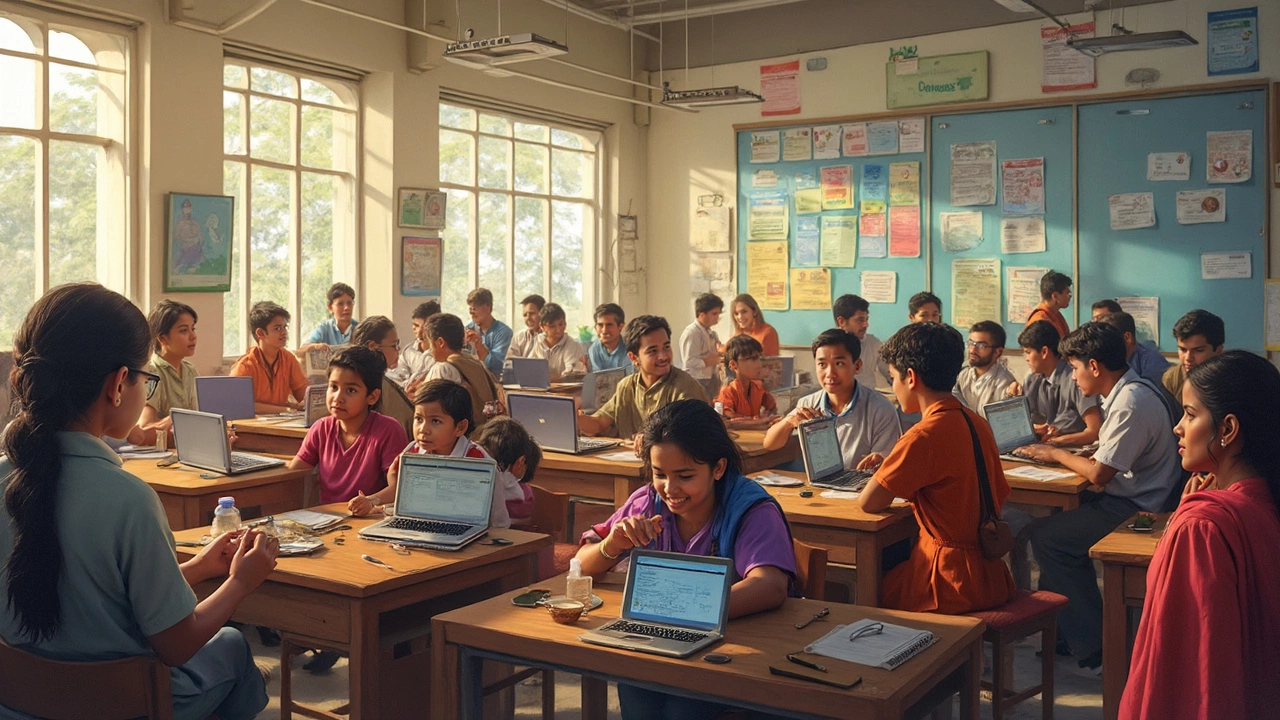
Top-Paying Diplomas in India: Uncover Lucrative Opportunities
Exploring the realm of diploma courses in India, this article highlights those that offer the most promising financial returns. Focused on practical insights, it aims to guide those seeking diploma qualifications, ensuring they choose paths with strong earning potential. Developments in technology, healthcare, and business have paved the way for diplomas that are not only accessible but also financially rewarding. Whether you're exploring further education or a career switch, knowing which diplomas pay the most can be a game-changer.
Details +