Electrical Safety: Essential Tips and Real-World Practices for Indian Workers
When you work with electricity, electrical safety, the set of practices and rules designed to prevent electric shock, fires, and equipment damage. Also known as electrical hazard prevention, it’s not just a rulebook—it’s what keeps you alive on the job. Every day, electricians, technicians, and even home DIYers face risks that aren’t always obvious. A frayed wire, a wet socket, or skipping a lockout tag can turn a simple task into a life-changing accident. In India, where construction and industrial jobs are booming, electrical safety isn’t optional—it’s the baseline for every trade worker.
Real electrical safety isn’t about memorizing codes. It’s about habits. It’s checking your tools before you grab them. It’s turning off the main breaker before you touch a panel—even if the light’s off. It’s wearing rubber-soled shoes when you’re near live wires, even if you’ve done the job a hundred times. electrical hazards, including shocks, arc flashes, and fires caused by improper wiring or faulty equipment don’t care how experienced you are. They only care if you’re careless. And in places like Tamil Nadu, Uttar Pradesh, or Maharashtra, where many electricians learn on the job, training gaps make these hazards even more dangerous. That’s why programs that teach electrician training, structured learning that includes hands-on practice with live circuits, safety gear, and local electrical codes are so valuable. They don’t just teach you how to wire a plug—they teach you how to walk away from a job unharmed.
Workplace safety rules exist for a reason. In factories, hospitals, and even small shops across India, electrical incidents still happen because someone assumed "it’ll be fine." But the data doesn’t lie: over 10,000 electrical accidents are reported in India every year, and many are preventable. The right training, the right gear, and the right mindset cut that number fast. You don’t need a degree to understand safety—you just need to listen, practice, and never rush. Below, you’ll find real guides from people who’ve been there: how to read electrical panels, what PPE actually works, why lockout-tagout saves lives, and how to spot danger before it strikes. These aren’t theory lessons. These are the tools that keep electricians alive.
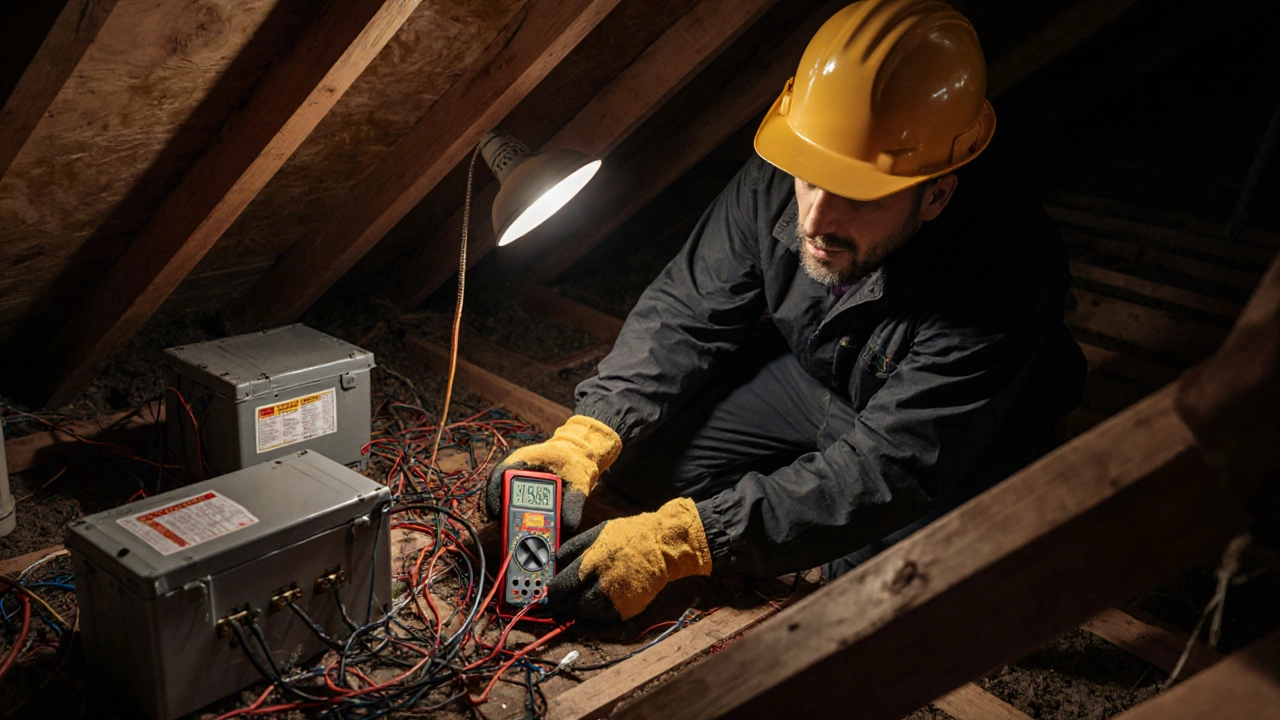
What Skills Are Required to Work as an Electrician in 2025?
Learn the essential skills needed to become a licensed electrician in 2025, from reading blueprints and using tools safely to understanding electrical codes and problem-solving on the job.
Details +