Electrical Training: Learn How to Become a Skilled Electrician in India
When you start electrical training, a hands-on learning path that teaches you to install, maintain, and repair electrical systems in homes, buildings, and industrial sites. Also known as electrician apprenticeship, it’s one of the most reliable ways to build a stable, well-paid career without a four-year degree. You don’t need to be a math genius—just careful, curious, and willing to learn by doing. Most electricians use simple tools and calculators for electrical calculations, basic math like Ohm’s Law and circuit load checks that you learn step-by-step on the job. What matters most is safety, precision, and understanding how wires, breakers, and panels actually work.
Many people think you need a college degree to make good money, but that’s not true for trades. In India, certified electricians earn between ₹20,000 and ₹50,000 a month depending on experience and location. In cities like Mumbai, Delhi, or Bangalore, skilled electricians with specialized training in solar systems or industrial wiring can earn even more. The demand is growing fast—new buildings, smart homes, and government infrastructure projects all need trained electricians. And unlike many office jobs, this work can’t be outsourced. If you show up, do the job right, and keep learning, you’ll always have work.
There’s a common myth that you need to be great at math to be an electrician. You don’t. You need to know how to read blueprints, follow codes, and use a multimeter. Most of the math is built into modern tools, and your apprenticeship will walk you through every calculation you’ll actually use. What you’ll learn in electrical training, a structured program combining classroom lessons with real-world field work under licensed professionals is how to think like a problem-solver. You’ll fix broken circuits, upgrade old wiring, and install new systems—all while keeping people safe.
Some training programs are free through government schemes, and others cost under ₹10,000 for a 3-6 month course. You can start earning while you learn through apprenticeships that pay you a stipend. After you finish, you can work for contractors, join construction teams, or even start your own small business. The best part? You don’t need to wait years to see results. In just a few months, you can be doing real work that people pay for.
Below, you’ll find real guides on what electricians actually earn, how to start without strong math skills, and where the best opportunities are right now. No theory. No fluff. Just what you need to know to begin.
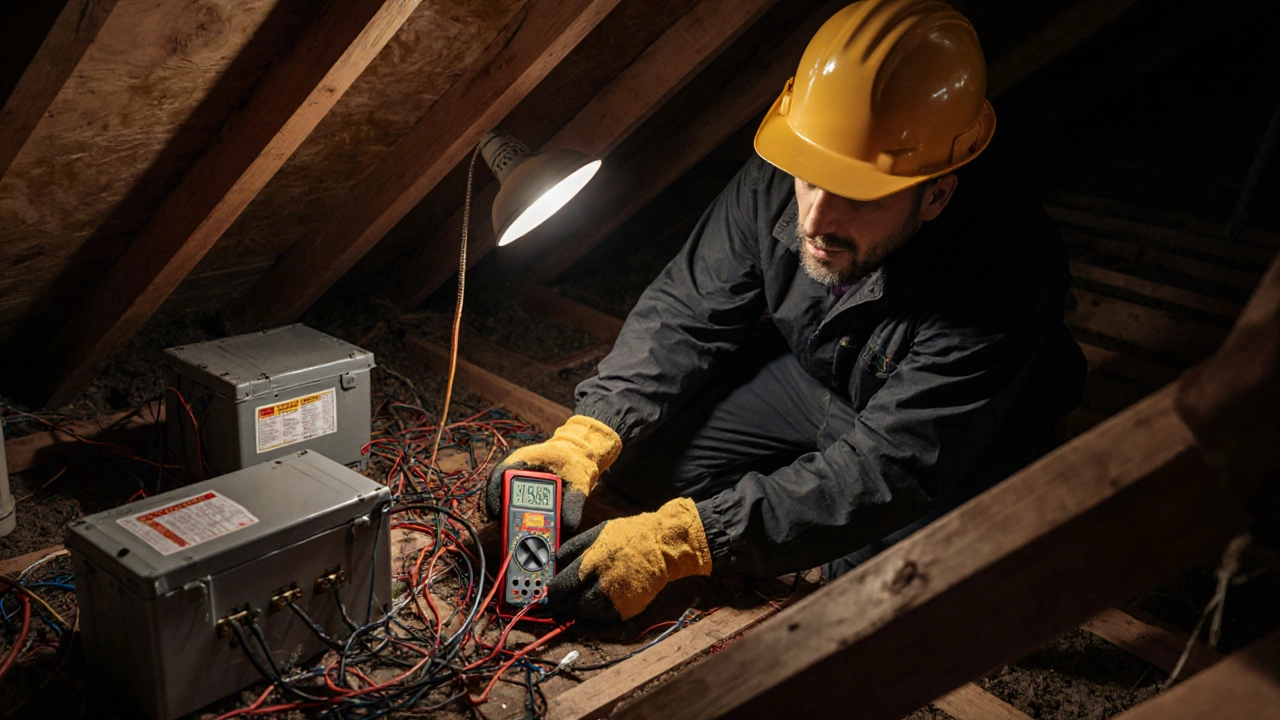
What Skills Are Required to Work as an Electrician in 2025?
Learn the essential skills needed to become a licensed electrician in 2025, from reading blueprints and using tools safely to understanding electrical codes and problem-solving on the job.
Details +