Electrician Requirements: What You Need to Start in India
When you think about becoming an electrician, a skilled tradesperson who installs, maintains, and repairs electrical systems in homes, businesses, and industrial settings. Also known as electrical technician, it’s one of the most reliable career paths in India’s growing infrastructure sector. You don’t need a college degree. You don’t need to be a math wizard. You just need to know how to follow safety rules, read basic diagrams, and get your hands dirty.
The core electrician requirements, the essential skills, certifications, and training needed to legally work as an electrician in India start with a vocational course—something like a Diploma in Electrical Engineering or a short-term certification from a recognized institute. Most employers in India look for candidates who’ve completed at least a 1- to 2-year trade program. After that, you’ll typically enter an electrical apprenticeship, a hands-on training period where you work under a licensed electrician while learning the trade. This is where you learn how to wire a panel, test circuits, and handle live wires safely. You won’t learn all this from videos—you learn by doing, day after day, under supervision.
You also need to get licensed. In India, licensing rules vary by state, but most require passing a written exam and showing proof of training. Some states, like Maharashtra and Tamil Nadu, have state-level electrician licensing boards. You don’t need to be a genius with numbers—most electricians use calculators and apps for voltage and load calculations. What matters is precision, attention to detail, and never cutting corners. The electrician license, the official government or state-recognized credential that allows you to work legally as an electrician is your ticket to better pay, more trust from clients, and access to bigger projects.
And yes, you can start even if you’re not sure about your math skills. Most electricians use simple arithmetic—adding up amperes, calculating wire sizes, measuring distances. Tools like digital multimeters and pre-made charts do the heavy lifting. What you really need is patience, a steady hand, and the willingness to learn from mistakes. The best electricians aren’t the ones who aced physics—they’re the ones who showed up every day, asked questions, and never ignored a warning sign.
What you’ll find below are real guides from people who’ve walked this path. You’ll see how much electricians earn in different parts of India, what training programs actually work, how to get your license without wasting time or money, and even how to start your own small business after training. These aren’t theoretical articles—they’re practical, tested steps from people who’ve done it. Whether you’re 18 and just finished school, or 35 and looking for a career change, there’s something here that fits your situation. No fluff. Just what you need to get started.
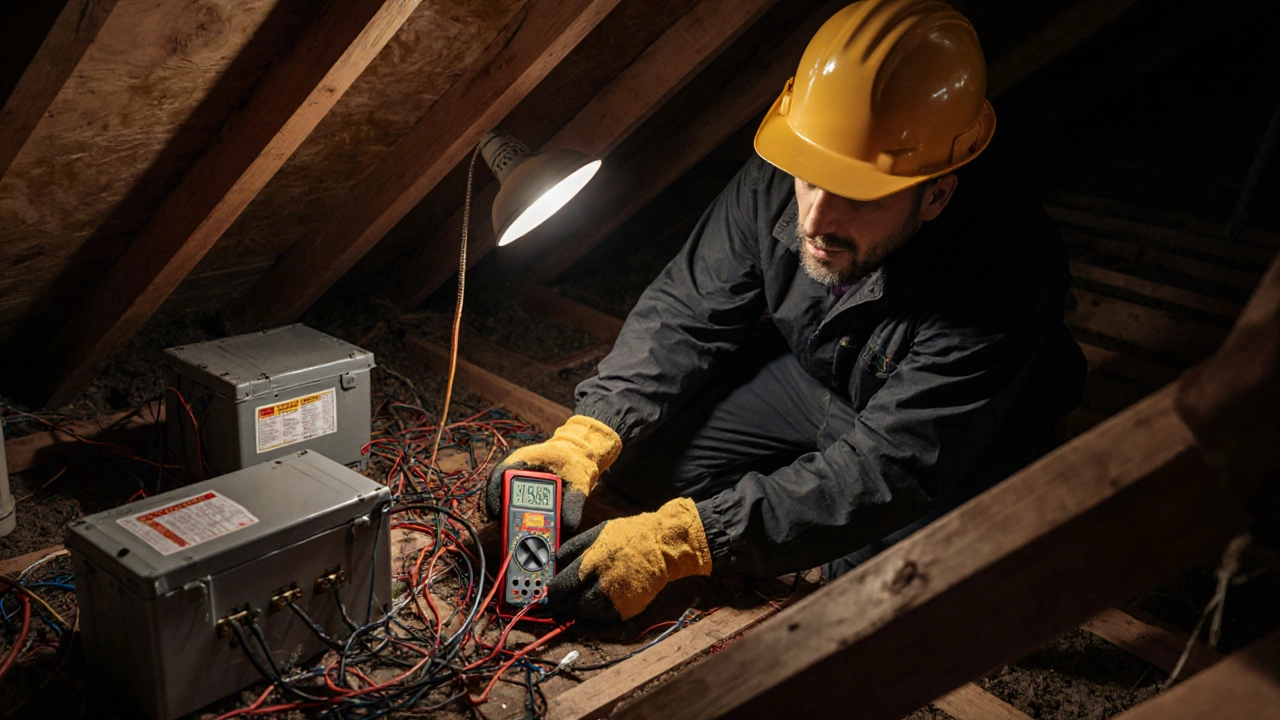
What Skills Are Required to Work as an Electrician in 2025?
Learn the essential skills needed to become a licensed electrician in 2025, from reading blueprints and using tools safely to understanding electrical codes and problem-solving on the job.
Details +