English Proficiency India: What Really Matters for Your Career
When you talk about English proficiency, the ability to understand, speak, read, and write English well enough to function in work, study, or daily life. Also known as English fluency, it’s no longer just a school subject—it’s a job requirement in India’s growing service, tech, and customer-facing industries. Whether you’re applying for a call center job, aiming for a promotion, or planning to work abroad, your English skills directly impact your earning potential and opportunities.
Many Indians start learning English in school, but that doesn’t mean they can use it confidently at work. That’s where B1 English, a mid-level standard on the Common European Framework where you can handle most everyday situations and simple work tasks comes in. It’s not about sounding like a native speaker—it’s about being clear, correct, and convincing. You don’t need years to get there. Real people in cities like Bangalore, Pune, and Hyderabad have reached B1 level in just three months using daily habits: listening to podcasts during commute, writing short emails, and practicing with free apps. And yes, it’s possible even if you struggled in school.
Your accent doesn’t matter as much as your clarity. Whether you’re learning British English, the version taught in many Indian classrooms and used in official documents and exams like IELTS. Also known as Oxford English, it’s the standard for formal communication in India or American English, the goal is the same: be understood. Most Indian employers care more about whether you can explain a problem, write a report, or handle a client call than whether you say "tomato" or "tomahto." The real barrier? Lack of consistent practice—not lack of talent.
That’s why English courses in India, structured programs designed to build practical speaking, listening, and writing skills for real-world use are booming. From free YouTube channels to affordable online platforms, there’s no excuse to wait. These courses focus on what you actually need: ordering food at a hotel, presenting in a meeting, writing a professional message, or answering interview questions without freezing up. And they’re not just for young students—many adults in their 30s and 40s are taking them to switch careers or get remote jobs with global companies.
What you’ll find in the posts below isn’t theory. It’s real advice from people who’ve been where you are. How to reach B1 in 90 days. Why British English still matters in India’s job market. What free tools actually work. And how improving your English can open doors to higher pay—even without a degree. No hype. No promises of fluency in a week. Just clear, doable steps that match what’s happening right now in India’s job market.
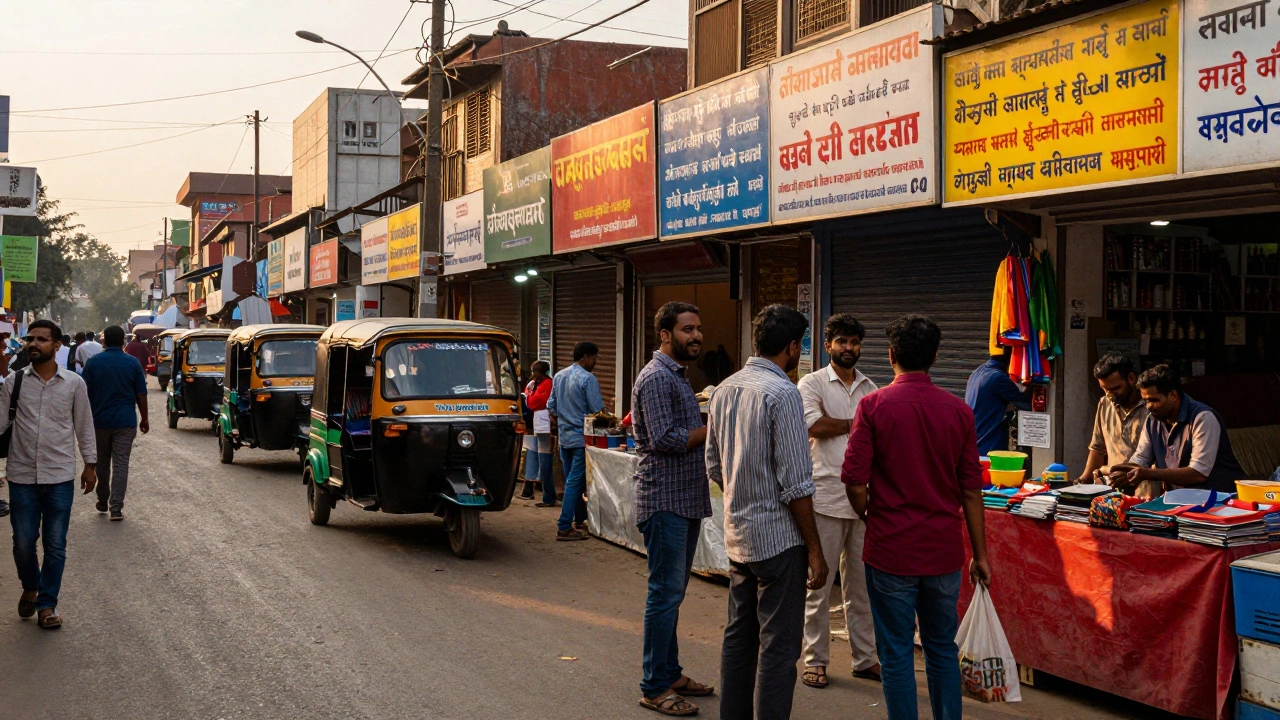
Which City in India Speaks the Most English? Top English-Speaking Cities Explained
Hyderabad and Bangalore lead India in English usage, offering the best environments for learning and practicing English daily. Discover why these cities outshine Delhi, Mumbai, and others for real fluency.
Details +