Fashion Career: How to Build a Real Job in Fashion Without a Degree
When you think of a fashion career, a path into clothing design, styling, retail, or production that values hands-on skills over traditional degrees. Also known as fashion industry jobs, it doesn’t require a four-year degree—just the right skills, a strong portfolio, and the drive to learn on the job. Most people assume you need to go to fashion school in Delhi or Mumbai to make it, but that’s not true. Many people working in fashion today learned by doing—interning at small boutiques, assisting stylists, learning pattern-making from YouTube, or starting their own small online store. The real gatekeepers aren’t diplomas. They’re your ability to show up, adapt, and deliver results.
A fashion design course, a focused training program that teaches sketching, fabric selection, sewing, and garment construction. Also known as fashion technology training, it’s often shorter, cheaper, and more practical than university programs. You can find these in cities like Jaipur, Ludhiana, or even online through platforms that offer certificates recognized by local designers. Meanwhile, fashion styling, the art of putting together outfits for photoshoots, events, or clients to match a brand’s look or a person’s body type. Also known as image consulting, it’s one of the fastest-growing roles in the industry because brands need people who understand what sells visually—not just what’s trendy. And don’t overlook textile skills, the practical knowledge of fabrics, dyes, weaves, and how materials behave under different conditions. Also known as fabric expertise, this is what separates good tailors from great ones. Many fashion jobs—from working in export houses to running a local stitch shop—depend on this kind of hands-on understanding. You don’t need to be a designer to make good money. You just need to know how to cut, sew, style, or sell clothes well.
What you’ll find in the posts below are real stories from people who built fashion careers without going to elite schools. Some started as assistants in local garment units. Others turned their Instagram feed into a side hustle that turned into a full-time business. You’ll see what skills actually get hired, how much people earn in different roles across India, and where the real opportunities are right now—not in big cities alone, but in tier-2 towns where demand is rising and competition is low. Whether you want to design, style, manage inventory, or run a small label, there’s a path here that doesn’t require loans or years of waiting. It just requires you to start.
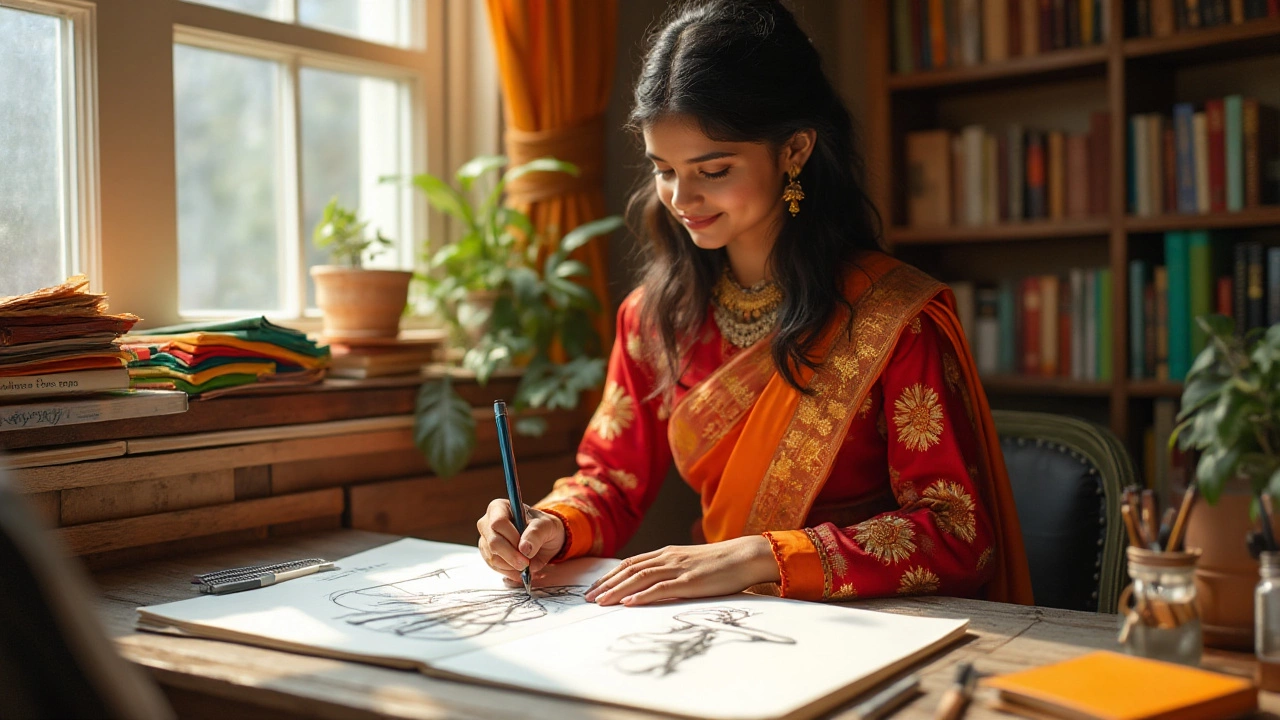
Essential Courses to Thrive as a Fashion Designer
Becoming a fashion designer requires a unique blend of creativity, technical skills, and a solid understanding of industry trends. Aspiring designers need to study various courses, including textiles, illustration, and fashion history, to build a strong foundation for their craft. This article delves into the key subjects, skills, and tips necessary to excel in the world of fashion design. Explore the academic pathways and practical knowledge needed to launch a successful career in this vibrant industry.
Details +