Fashion Industry: Skills, Careers, and How to Break In Without a Degree
When you think of the fashion industry, a global network of designers, manufacturers, retailers, and influencers that turns fabric into income. Also known as apparel industry, it’s not just about runway shows—it’s about stitching together skills, supply chains, and real jobs that pay. In India, this sector is growing fast, with over 2.3 million people already working in textiles and apparel, and demand rising for people who can actually make things, not just talk about them.
You don’t need a degree from NIFT to land a job here. Many entry-level roles—like garment technician, pattern cutter, quality checker, or social media assistant for fashion brands—only ask for hands-on training. What matters is knowing how to use a sewing machine, read a pattern, edit product photos, or run a simple Instagram ad. These are skills you can learn in weeks, not years. The fashion design courses, short-term programs that teach pattern making, draping, and garment construction are the real gateway. And if you’re good with tools, the vocational training in fashion, practical, job-focused programs offered by government and private institutes across India can get you hired faster than a bachelor’s degree ever could.
The fashion careers, roles ranging from production supervisor to boutique owner to e-commerce product photographer aren’t all in Mumbai or Delhi. Small towns have thriving local markets, tailoring clusters, and export units that need trained workers. You can start as a helper in a stitching unit, learn on the job, and move up to managing a small team. Or you can build your own brand on Instagram and sell directly to customers—no showroom needed. The key is starting with one skill you can master, then adding more as you go.
What you’ll find in the posts below are real stories and practical guides from people who walked this path. Whether it’s how to pick the right short-term course, what tools you actually need to start, or how much you can earn in your first year—these aren’t theories. They’re checklists, pay ranges, and step-by-step plans from people who did it without the fancy credentials. No fluff. Just what works.
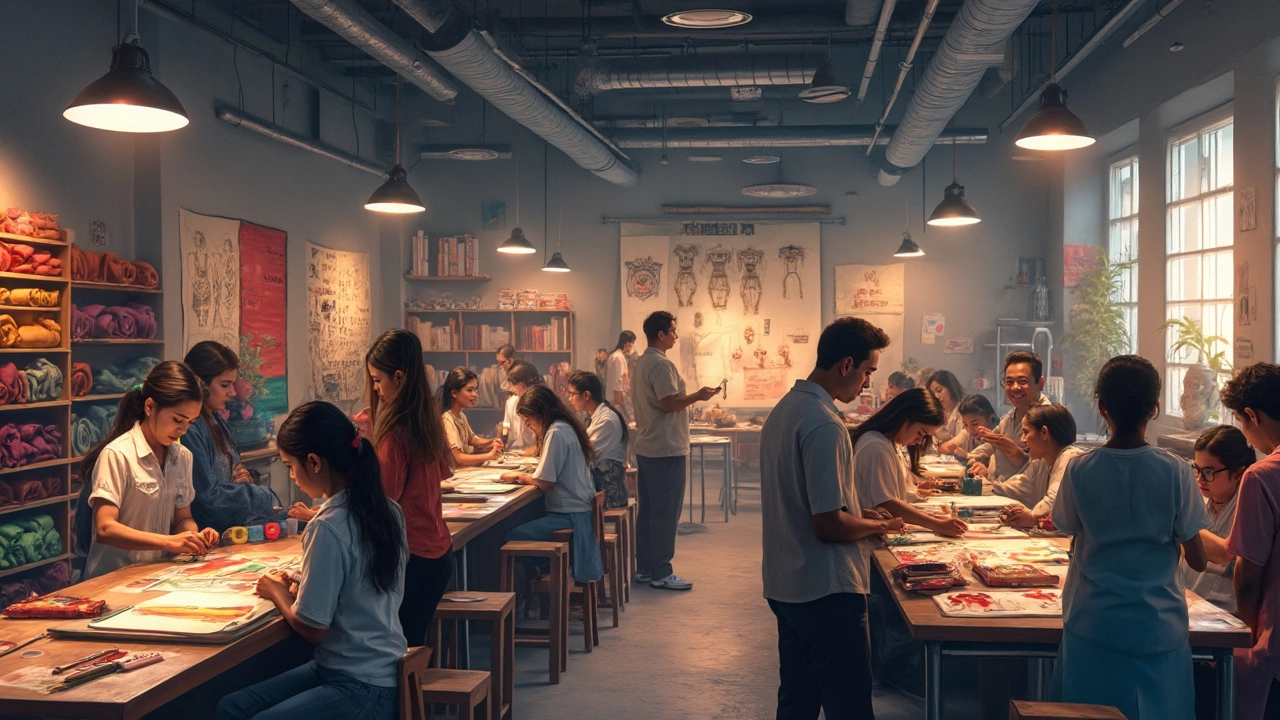
Best Courses for Fashion Design: Your Path to Style Success
Choosing the right course for fashion design can set the foundation for your future in the fashion industry. From foundational programs to specialized courses catering to specific interests like sustainability or digital fashion, there's something for everyone. Key factors include understanding the curriculum, assessing the industry partnerships, and considering the balance between creativity and technical skills. Often, successful designers choose courses that offer both hands-on experience and opportunity to network with industry professionals.
Details +