Indian education system: What works, what doesn’t, and how to build a career anyway
When people talk about the Indian education system, a nationwide structure focused on academic degrees, standardized exams, and university rankings that often overlooks practical job skills. Also known as degree-centric education, it’s the path most families in India expect their children to follow—until they graduate and realize the job market doesn’t care about their marks, only their ability to do the work. The truth? Millions of students finish school or college with degrees that don’t open doors. Meanwhile, electricians, digital marketers, and certified computer operators are earning good money—without a single degree.
The vocational training in India, hands-on, short-term programs that teach real skills like wiring, coding, marketing, or plumbing, often with government support and job placement. Also known as skill development programs, it’s the quiet alternative to the broken classroom model. These programs don’t require you to pass 12th-grade math or memorize history dates. They ask: Can you fix a wire? Can you run an ad? Can you use Excel? If yes, you’re hired. And the government is quietly funding them because they know the old system isn’t working. Diploma courses in India, structured, 6-month to 2-year programs that offer technical certification in fields like IT, electrical work, or healthcare support, often with lower entry barriers than degrees. Also known as technical diplomas, they’re the bridge between school and salary. You can start one after 10th grade, after graduation, or even after years of working in a job that pays too little. No one asks for your 12th-grade percentage. These aren’t just options—they’re the fastest way to get paid in today’s India.
What you’ll find in these posts isn’t theory. It’s what people actually do: how to learn B1 English in 3 months while working part-time, how much electricians earn in Tennessee (yes, even Indians working abroad), why you don’t need to be good at math to become an electrician, and which free coding platform actually helps beginners build real projects. You’ll see how women are breaking into trades without a degree, how to get paid while learning through government programs, and which computer course is truly the easiest to start with zero experience. This isn’t about chasing prestige. It’s about building a life that pays, starts fast, and doesn’t depend on a system that’s slow to change.
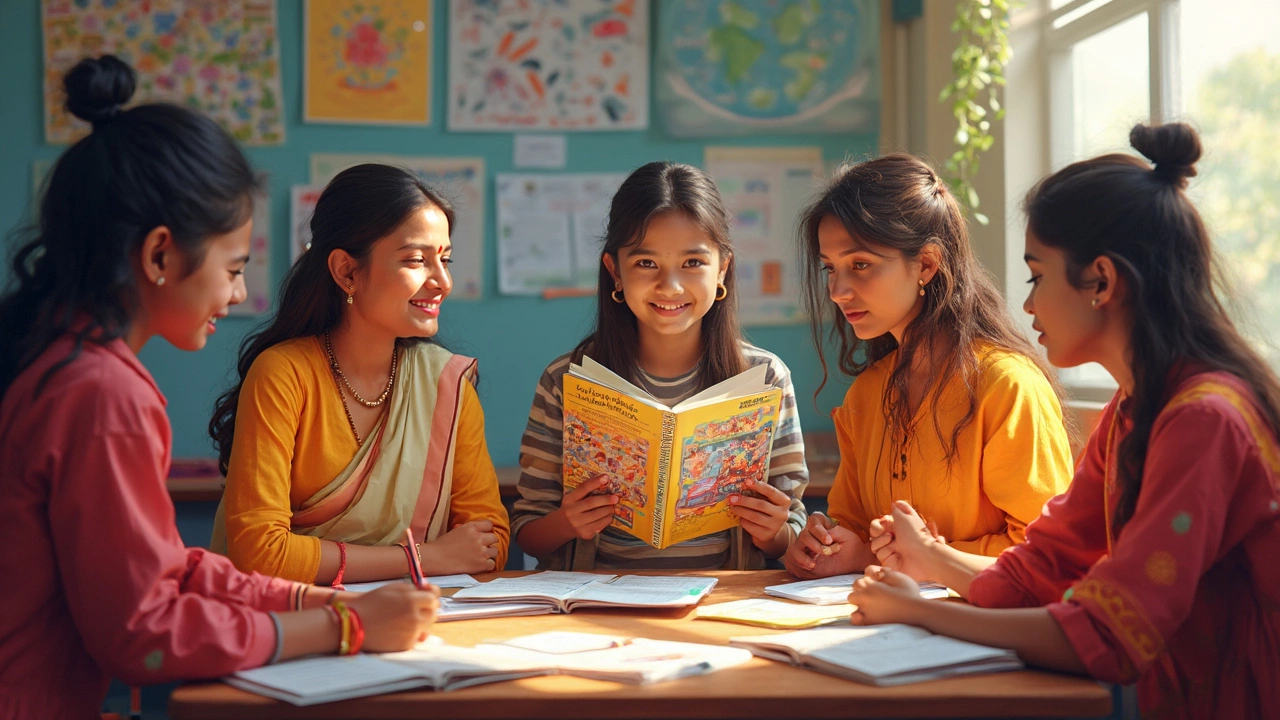
Is a Diploma the Same as 12th Grade in India?
In India, the educational paths after 10th grade offer various choices, including the pursuit of a diploma or completing the 12th grade. While both have their merits, they serve different roles within the education system. This article explores the nuances of both paths, helping students decide which could be the best fit for their career goals. Understand how diplomas can be a quick route to specialized skills and the trade-offs compared to traditional schooling.
Details +