Locksmith Salaries: How Much Do Locksmiths Really Earn in 2025?
When you think of a locksmith, a skilled professional who installs, repairs, and opens locks for homes, businesses, and vehicles. Also known as security technician, it’s not just about picking locks—it’s about understanding mechanical systems, digital key fobs, and access control networks. In 2025, locksmiths are in higher demand than ever, not just because people lose keys, but because homes and offices are upgrading to smart locks, security systems, and biometric access. This isn’t a dying trade—it’s evolving fast, and so are the paychecks.
How much you earn as a locksmith, a skilled professional who installs, repairs, and opens locks for homes, businesses, and vehicles. Also known as security technician, it’s not just about picking locks—it’s about understanding mechanical systems, digital key fobs, and access control networks. depends on three things: where you work, what you specialize in, and whether you run your own business. In cities like Dallas, Austin, or Houston, experienced locksmiths make between $25 and $50 an hour. If you offer 24/7 emergency services or specialize in high-security commercial locks, you can hit $60 an hour or more. Many locksmiths in Texas, as shown in our post on locksmith salary in Texas, earn more by starting mobile services—showing up at homes and businesses instead of working in a shop. You don’t need a college degree, but certifications from organizations like the Associated Locksmiths of America (ALOA) can bump your pay by 20% or more.
Training for this job takes weeks, not years. Most people learn through apprenticeships or short-term vocational courses—exactly the kind of hands-on training kickstart education hub focuses on. You’ll learn how to cut keys, rekey locks, install deadbolts, and troubleshoot electronic locks. Some even learn to work with safes and vaults, which can double your earning potential. The best part? You can start earning while you learn. Many shops hire apprentices and pay them from day one. And unlike many trades, you don’t need expensive tools to get started—just a basic kit and the willingness to show up on time.
Locksmithing isn’t glamorous, but it’s reliable. People will always need someone to open a door when they’re locked out. Businesses will always need secure systems installed. And as more homes switch to smart locks, the demand for technicians who understand both old-school mechanics and new digital tech is only growing. If you’re good with your hands, don’t mind working alone, and like solving puzzles, this could be one of the most stable, well-paying trades you’ve never considered.
Below, you’ll find real salary data from different states, breakdowns of what raises pay, and step-by-step guides to getting certified—all from people who’ve been there. No theory. No fluff. Just what actually pays.
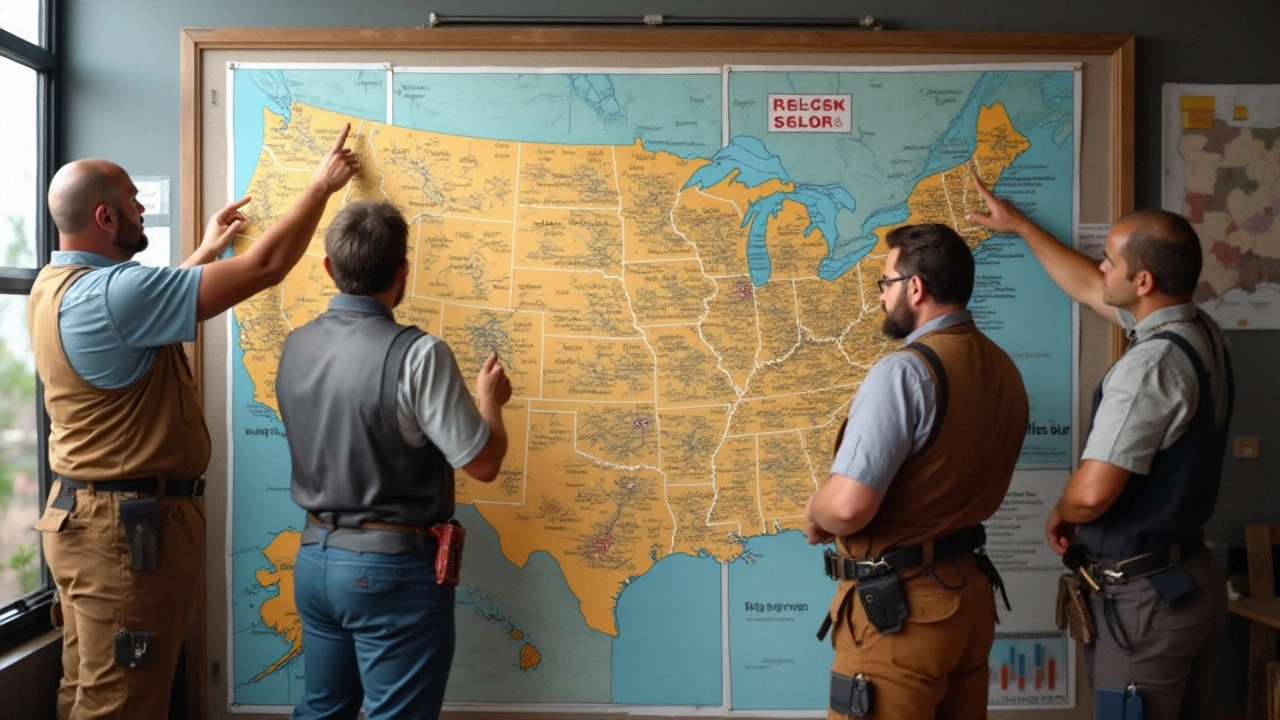
Top-Paying States for Locksmiths in the U.S.
Locksmiths in the United States find varying salary offerings across different states. This article explores which states provide the highest income potential for locksmiths, offering valuable insights for those considering a locksmith career. It also compares state-by-state salaries and highlights how regional demand impacts earnings. Aspiring locksmiths will find practical information on training pathways in India and tips on maximizing their earning potential.
Details +