PEX Installer Certification: What It Is, Why It Matters, and How to Get It
When you hear PEX installer certification, a formal credential that proves you can safely and correctly install cross-linked polyethylene piping systems in residential and commercial buildings. Also known as PEX plumbing certification, it’s not just a piece of paper—it’s proof you can handle one of the most common, reliable, and cost-effective water supply systems used today. Unlike old copper pipes that need soldering and are prone to leaks, PEX is flexible, freezes less easily, and installs faster. That’s why contractors across India and globally are shifting to it—and they need certified installers to do the job right.
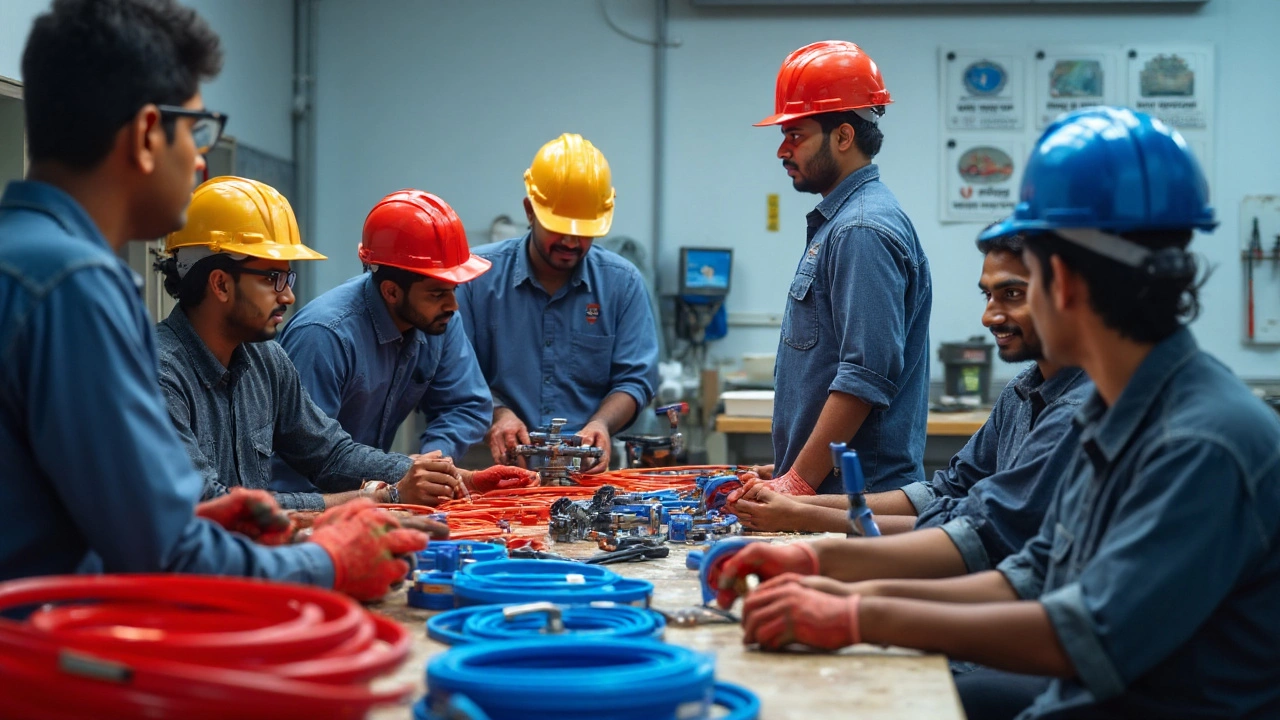
Getting certified means you’ve learned the exact codes, tools, and techniques used in real installations. You’ll know how to use crimp rings, clamp tools, and expansion fittings the right way. You’ll understand pressure testing, routing around obstacles, and avoiding kinks that cause leaks later. This isn’t guesswork. It’s a skill backed by standards from organizations like ASTM and NSF. And it’s not just for plumbers. Electricians, HVAC techs, and even DIY homeowners who want to upgrade their homes legally and safely are learning it too. PEX piping, a flexible plastic tubing used for hot and cold water distribution. Also known as cross-linked polyethylene tubing, it’s become the go-to material because it’s cheaper, faster to install, and lasts longer than metal. That’s why demand for certified installers keeps rising.
What you won’t find in most basic plumbing courses is hands-on PEX training. Many trade schools in India still focus on copper and PVC. But the job market has moved on. Builders now specify PEX in new homes. Retrofit projects demand it. Even government housing schemes are switching to it for speed and cost savings. If you’re serious about plumbing, HVAC, or home improvement work, skipping PEX certification is like learning to drive without knowing how to shift gears. You can still get by—but you’ll miss out on better jobs, higher pay, and more trust from clients.
You don’t need a degree to get certified. Most programs take a few days to a week. You’ll learn from real installers, not just textbooks. You’ll practice on actual fittings, test your work under pressure, and walk out with a certificate employers recognize. Some even offer job placement help. And once you’re certified, you can start charging more—because you’re not just another worker. You’re someone who knows exactly how to do it right the first time.
In the posts below, you’ll find real guides on how to start, what tools you need, how much you can earn, and where to get certified in India. Some cover how PEX compares to other pipes. Others break down the exact steps to pass a certification test. A few even show how people with no plumbing background landed good jobs after getting trained. Whether you’re looking to switch careers, add a skill to your trade, or just fix your own home better—this collection gives you the straight facts, no fluff.
PEX Certification: What It Is, Who Needs It, and How to Get Certified (2025 Guide)
Clear 2025 guide to PEX certification: what it means, who needs it, standards to check, how to get trained, pass inspection, and protect warranty in US/Canada.
Details +