Plumbing Regulations: What You Need to Know for Jobs and Home Projects
When you work with plumbing regulations, official rules that control how water and waste systems are installed and maintained in buildings. Also known as plumbing codes, these rules aren’t just paperwork—they keep homes safe, prevent leaks, and stop sewage from backing up into kitchens or bathrooms. Whether you’re training to be a plumber, fixing a leaky faucet, or managing a renovation, ignoring these rules can lead to fines, failed inspections, or even health hazards.
Plumbing regulations are enforced by local authorities, and in India, they often follow national standards like the Bureau of Indian Standards (BIS), the official body that sets technical guidelines for construction materials and systems. These standards cover pipe materials, slope requirements, venting, water pressure limits, and how fixtures connect to drains. For example, a toilet drain must slope at least 1/4 inch per foot—too flat and it clogs; too steep and solids get stuck. You don’t need to memorize every number, but you do need to know where to find the rules that apply to your project or job. Many electricians and HVAC techs also deal with plumbing basics, especially when working on full-home systems. That’s why skills like reading blueprints and understanding plumbing inspections, official checks done by city or municipal officials to confirm systems meet safety codes are just as important as turning a wrench.
These rules vary by city and state. What’s allowed in Bangalore might not pass in Mumbai. That’s why apprenticeships and vocational courses focus on local codes—not just theory. If you’re learning plumbing, your training should include real-world inspections, common violations, and how to fix them before an inspector shows up. Homeowners often think they can skip permits for small jobs, but a poorly installed water heater or wrong pipe size can cause major damage. One wrong connection can flood an entire apartment. That’s why certified plumbers don’t guess—they follow the code.
There’s no shortcut. You can’t become a licensed plumber without knowing the regulations. And if you’re hiring someone, don’t just check their tools—ask if they’ve passed the local code exam. The best plumbers aren’t the fastest or the cheapest—they’re the ones who know the rules inside out and can explain why they matter. In the posts below, you’ll find real guides on what plumbers actually do on the job, how much they earn, what tools they use, and how to get started without a degree. Whether you’re looking to train, hire, or fix your own sink, this collection gives you what you need—no fluff, just facts.
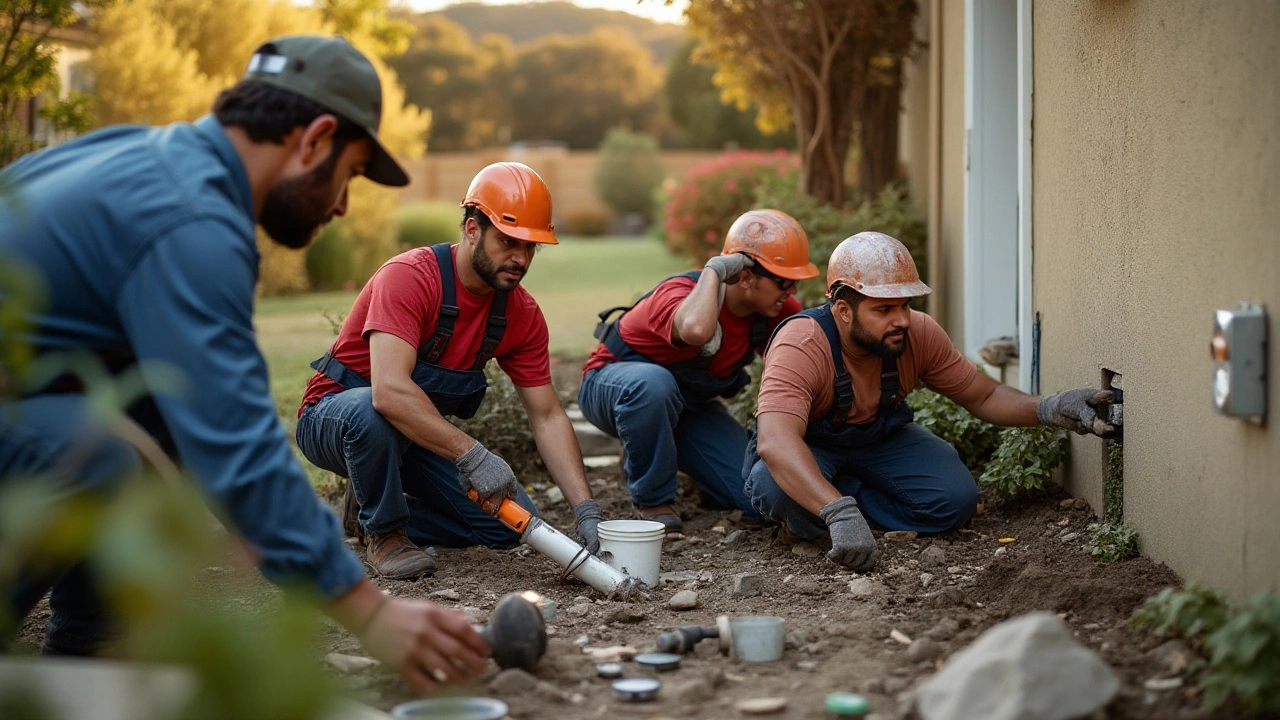
Exploring Plumbing Without a License in California: What You Need to Know
Considering plumbing work without a license in California necessitates understanding the legal ramifications and requirements. Unlike some other states, California has strict licensing laws designed to ensure both safety and professional integrity. For minor tasks, licensing may not be required, yet significant projects mandate professional qualifications. This article dives into the specifics of what's permissible, how to gain necessary training, and the implications of unlicensed work.
Details +