Smart Lock: How They Work, Who Uses Them, and What You Need to Know
When you think of a smart lock, a digital locking system that replaces traditional keys with codes, apps, or biometrics to control access. Also known as electronic lock, it lets you lock or unlock your door from anywhere using your phone, set temporary access for guests, or get alerts when someone enters. Unlike old-school locks that rely on metal keys, smart locks connect to Wi-Fi or Bluetooth and work with apps on your phone. They’re not just for tech lovers anymore—more families, renters, and small businesses in India are switching to them for better control and peace of mind.
Smart locks are part of a bigger shift toward smart home security, a system of connected devices that monitor and protect your space using sensors, cameras, and automated locks. You don’t need a full smart home to use one. A single smart lock can be the first step. It works with your existing door, doesn’t require major rewiring, and often installs in under an hour. Many models let you create unique codes for cleaners, delivery people, or family members—no need to hand out physical keys. Some even send notifications when someone unlocks the door, so you always know who’s coming and going.
People in cities like Bangalore, Delhi, and Pune are choosing smart locks because they’re practical. Renters can’t change locks permanently, so a smart lock gives them control without violating lease terms. Homeowners with busy schedules appreciate not worrying about lost keys. And for small offices or co-working spaces, managing access for multiple users is way easier with digital codes than with a keyring full of duplicates.
There are different types. Some use PIN pads, others work with fingerprint scans or NFC tags. A few even integrate with voice assistants like Alexa or Google Assistant. But not all are built the same. Battery life, app reliability, and weather resistance matter—especially in India’s hot and humid climate. You don’t want a lock that dies in monsoon season or stops responding when you need it most.
Security isn’t just about the lock itself—it’s about how it connects. A smart lock with weak encryption or poor app updates can be hacked. That’s why it’s smart to pick brands with a track record of regular software fixes. Look for models with two-factor authentication and local backup options, like a physical key override, just in case.
And yes, you can still use a key with most smart locks. They’re designed to be backups, not replacements. The real win? You stop carrying keys. No more fumbling in your bag at midnight. No more calling a locksmith because you locked yourself out. Just tap your phone or enter a code—and you’re in.
What you’ll find below are real stories and guides from people who’ve made the switch. Some learned how to install a smart lock themselves. Others compared prices, tested battery life, or figured out how to share access with roommates. There’s advice for renters, tips for older homes with weak doors, and even how to use smart locks with government-funded skill programs that teach home automation basics. Whether you’re curious, skeptical, or ready to buy—there’s something here that matches your situation.
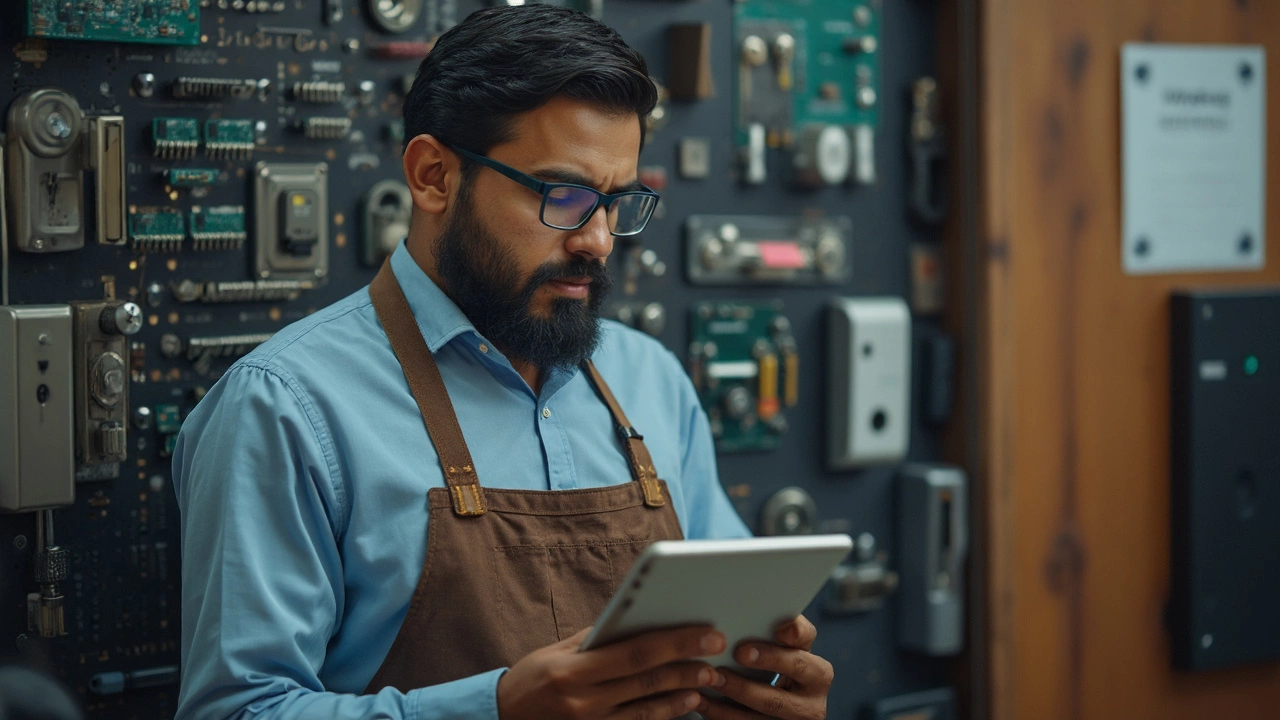
Can a Locksmith Pick a Smart Lock?
This article digs into whether locksmiths can actually pick smart locks, what makes these locks different from regular ones, and why the answer isn’t so simple. It shares insights into smart lock technology, the real-world skills locksmiths need today, and situations where even tech-savvy pros stumble. If you’re curious about the honest limits of both smart locks and locksmith expertise, you’ll get straight facts and practical tips here. Find out how these digital locks are changing the game for the locksmith trade in India.
Details +