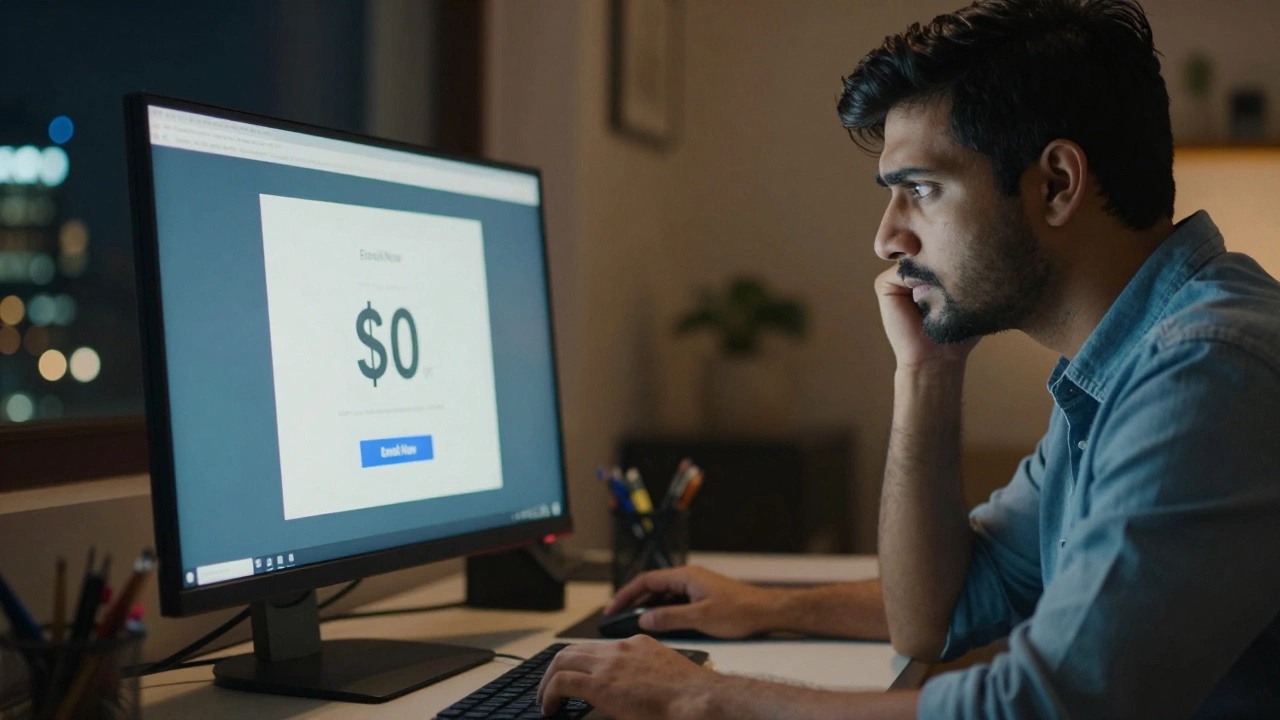
You click "Enroll" on a popular online course that promises to teach you Python, digital marketing, or data science. The price tag says $0. You feel like you just won the lottery. But six weeks later, you realize you have learned nothing because you never finished the assignments, and when you try to download your certificate, a credit card form pops up asking for $49.
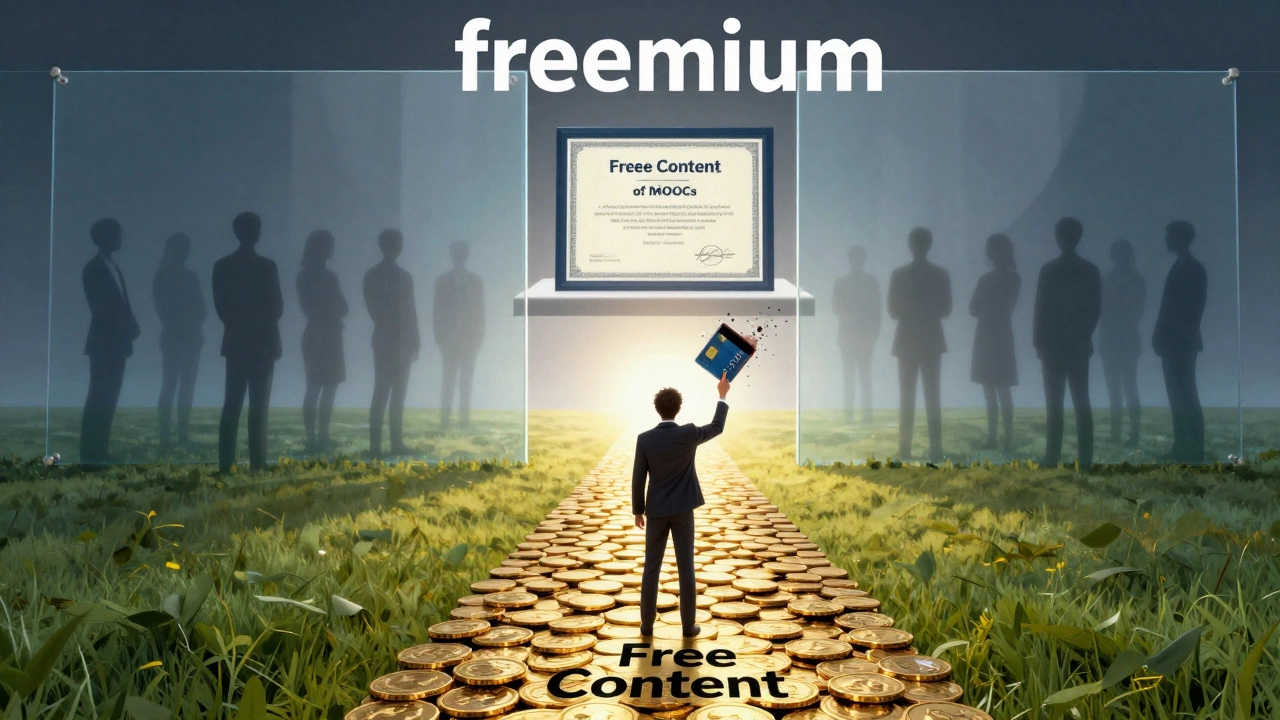
This is the classic trap of modern education. The short answer to "are free online courses really free?" is: the content is usually free, but the proof of completion often costs money. In 2026, the landscape of massive open online courses (MOOCs) has shifted significantly from the early days where everything was truly gratis. Now, platforms operate on a "freemium" model that requires you to understand the fine print before you invest your time.
The Freemium Model: What You Actually Get for Zero Dollars
When platforms like Coursera, edX, or Udemy label a course as "free," they are referring to the audit mode. This allows you to watch video lectures, read discussion forums, and access some reading materials without paying a cent. For a self-motivated learner who just wants to pick up a new hobby or refresh old knowledge, this is genuinely valuable.
However, the "free" tier comes with significant limitations that can hinder your learning progress:
- No Graded Assignments: You cannot submit homework for feedback. In programming courses, this means you can't run your code through the automated testing environment.
- Limited Access Duration: Some platforms only give you access to free content for the duration of the course term. If you fall behind, you lose access entirely unless you pay.
- No Certificate: This is the biggest drawback. Without a verified credential, you have no tangible proof to show employers.
- Prioritized Support: Paid users often get faster responses from teaching assistants, while free auditors might wait days for answers in community forums.
If your goal is casual learning, the free tier works. If your goal is career advancement, the lack of structure and verification makes the "free" option less effective than it appears.
The Real Cost: Certificates and Verification
The primary revenue stream for most MOOC providers is the issuance of verified certificates. These documents serve two purposes: they prove you completed the work, and they verify your identity so employers know you didn't cheat. This process costs the platform money in terms of administrative overhead and security measures.
In 2026, the average cost for a single course certificate ranges from $39 to $99. Professional Certificates, which consist of multiple courses, can cost between $39 and $49 per month until completion. A full specialization might therefore cost $200 to $500 if you take several months to finish.
| Feature | Free Audit Mode | Paid Verified Track |
|---|---|---|
| Video Lectures | ✓ Included | ✓ Included |
| Reading Materials | ✓ Limited Access | ✓ Full Access |
| Graded Quizzes & Assignments | ✗ Not Available | ✓ Available |
| Peer-Reviewed Projects | ✗ Not Available | ✓ Available |
| Digital Certificate | ✗ Not Issued | ✓ Issued (Shareable on LinkedIn) |
| Certificate Cost | $0 | $39 - $99 per course |
For many learners, this paywall is justified. Employers increasingly use Applicant Tracking Systems (ATS) that scan for specific keywords and credentials. A certificate from a recognized institution like IBM, Google, or Harvard via these platforms adds weight to your resume that a simple list of "self-taught skills" cannot match.
Hidden Costs Beyond the Price Tag
Even if you decide not to buy a certificate, there are other hidden costs associated with free online learning that can add up quickly.
Software and Tools: Many technical courses require specific software. A data science course might require Python libraries that are free, but a graphic design course might expect you to have Adobe Creative Cloud, which costs around $50/month. While instructors often provide student discounts or free trials, these expire, leaving you with a choice: pay for the tool or stop doing the practical exercises.
Time Investment: Time is money. A typical professional certificate requires 10-20 hours per week for three to six months. If you are working full-time, this means sacrificing evenings and weekends. The opportunity cost of this time-what else you could have been earning or doing-is a real expense.
Subscription Traps: Be careful with monthly subscription models. Some platforms allow you to "subscribe" to a specialization for $39/month. If you plan to finish in one month, it's cheap. If you procrastinate and take four months, you've paid $156 for what might have been a one-time fee of $49 elsewhere. Always check if the platform offers a one-time purchase option versus a recurring subscription.
How to Legitimately Get Free Certificates
It is possible to get fully certified education without paying, but it requires effort and research. Here are the most reliable methods in 2026:
- Financial Aid: Platforms like Coursera and edX offer robust financial aid programs. If you apply and explain your financial situation and how the course will help your career, they often waive the fee entirely. Approval usually takes 15 days. This is the most common way to get a free verified certificate.
- Scholarships: Organizations like TheScholarshipDatabase or specific university partnerships sometimes offer full scholarships for underrepresented groups in tech. For example, Girls Who Code or Black Girls CODE often partner with platforms to provide free access.
- Library Partnerships: Many public libraries in North America and Europe now offer free access to platforms like LinkedIn Learning, Gale Courses, or even Coursera Plus through their library card. Check with your local Toronto Public Library branch; they often have digital resources included in your membership.
- Employer Sponsorship: If you are already employed, ask your HR department. Many companies have budgets for employee development and will reimburse course fees if the skill is relevant to your job.
- OpenCourseWare (OCW): Universities like MIT OpenCourseWare and Stanford Online offer completely free courses with all materials, including exams and solutions. However, these rarely offer certificates, so they are best for pure knowledge acquisition.
Are Free Courses Worth It for Your Career?
The value of a free online course depends entirely on your goals. If you are a junior developer looking to learn a new framework like React or Vue.js, watching free tutorials on YouTube or following an audit track on Udemy is sufficient. Your GitHub portfolio will speak louder than any certificate.
However, if you are trying to pivot careers-from retail management to data analytics, for instance-you need more than just knowledge. You need validation. In competitive fields, a certificate acts as a signal to recruiters that you have discipline and verified competence. In this case, the "free" course is a false economy if you cannot demonstrate your skills.
Furthermore, networking is a hidden benefit of paid courses. Discussion sections in verified tracks often include more serious learners and industry professionals. Engaging with them can lead to mentorship opportunities or job referrals, which are worth far more than the $49 certificate fee.

Avoiding Scams and Low-Quality Content
Not all "free" courses are created equal. With the rise of AI-generated content, many low-quality courses flood the market. They promise quick riches or instant expertise but deliver outdated information or superficial overviews.
To avoid wasting your time:
- Check the Instructor: Is the instructor a recognized expert or professor at a reputable university? Or are they an unknown entity with a generic name?
- Review Recent Ratings: Look at reviews from the last six months. Outdated courses may reference software versions that no longer exist.
- Verify the Platform: Stick to established platforms like Coursera, edX, FutureLearn, or Alison. Avoid random websites that pop up in ads promising "certified diplomas" for free. These are often scams that sell worthless paper certificates.
In 2026, the quality gap between top-tier and bottom-tier free courses is wider than ever. Due diligence before enrolling saves you from the frustration of realizing halfway through that the material is useless.
Conclusion: Making an Informed Choice
Free online courses are a powerful tool for lifelong learning, but they are not a magic bullet. They offer access to world-class education that was previously reserved for elite universities. However, the "free" label often masks the costs of certification, software, and time.
If you are curious, start with the free audit mode. Test the waters. If you find the material engaging and see a clear path to applying it in your career, consider investing in the certificate through financial aid or direct purchase. Remember, the goal is not just to complete a course, but to acquire a skill that adds value to your life and career. Whether that requires a $0 investment or a $50 one depends on your specific needs and goals.
Is Coursera really free in 2026?
Yes, but only for auditing. You can access video lectures and readings for free. However, to get a graded assignment, peer review, or a verified certificate, you must pay or apply for financial aid. Financial aid is available for most courses and grants full access if approved.
Do employers care about free online certificates?
Employers care about the skills and the credibility of the issuing institution. A free audit certificate holds little value because it doesn't verify identity. However, a verified certificate obtained through financial aid from a platform like Coursera or edX is treated the same as a paid one. The key is that the certificate is "verified," not how much you paid for it.
How do I get a free certificate on edX?
edX offers financial assistance for its Verified Track. You need to apply by writing a short essay explaining your financial hardship and how the course will help your career. Once approved, you get full access to graded materials and a certificate for free. Note that edX does not offer a "free certificate" option without financial aid; the audit track does not include a certificate.
Are there any platforms that offer completely free certificates?
Some platforms like Alison and Great Learning Academy offer free courses with free certificates. However, the perceived value of these certificates in the job market is generally lower than those from university-backed platforms like Coursera or edX. They are good for building a basic portfolio but may not carry the same weight for high-level corporate jobs.
Can I cancel my Coursera subscription before being charged?
Yes. If you enroll in a monthly subscription plan, you can cancel anytime. If you cancel within the first seven days, you typically won't be charged. After that, you retain access until the end of your billing cycle. To avoid charges, set a reminder to cancel before the renewal date if you don't intend to continue.
Leave a comments