Find Your Perfect Free Learning App
What do you want to learn?
How do you prefer to learn?
You don’t need a tuition bill to get smarter. In 2026, the best free learning apps are better than most college courses. Whether you want to code, speak Spanish, or manage money, there is a tool for it. The problem isn't finding free content; it's finding content that actually works without annoying you into paying.
I’ve tested dozens of these platforms over the last few years. Some are full of ads. Others lock the good stuff behind a paywall after three lessons. The ones listed below are genuinely free, high-quality, and respected by employers. Here is how to pick the right one for your goal.
The Quick Take: Best Free Apps by Category
- Khan Academy is the best all-around free education platform for K-12 subjects, test prep, and foundational computer science.
- Duolingo is the top choice for casual language learners who need daily habits and gamified practice.
- freeCodeCamp is the premier resource for aspiring developers seeking full-stack web development skills and certifications.
- Coursera is ideal for university-level courses where you can audit classes for free from top institutions.
- YouTube is the largest video library for visual learners covering every niche from cooking to quantum physics.
How to Choose the Right Free App
Not all free apps are created equal. Before downloading, ask yourself what kind of learner you are. Do you need structure? Do you need interaction? Or do you just need information?
If you struggle with discipline, choose an app with streaks and notifications. If you are self-motivated but lack direction, choose an app with a clear curriculum. Avoid apps that promise "mastery" in 30 days. Real skill building takes time. Look for platforms that offer community support, like forums or study groups, because isolation kills progress.
| App Name | Best For | Key Feature | Limitation |
|---|---|---|---|
| Khan Academy | School Subjects & Math | Unlimited access to all content | No official certificates |
| Duolingo | Languages | Gamification & Streaks | Slow progression for advanced speakers |
| freeCodeCamp | Coding & Web Dev | Project-based certification | Steep learning curve for beginners |
| Coursera | University Courses | Audit mode for free | Certificates cost money |
| Brilliant | STEM & Logic | Interactive problem solving | Free tier is limited |
Mastering Academic Basics with Khan Academy
Khan Academy is a non-profit organization offering free world-class education for anyone, anywhere. It started with math videos and has grown into a massive library covering everything from early reading to organic chemistry. Unlike other platforms, Khan Academy does not hide content behind a paywall. Everything is free forever.
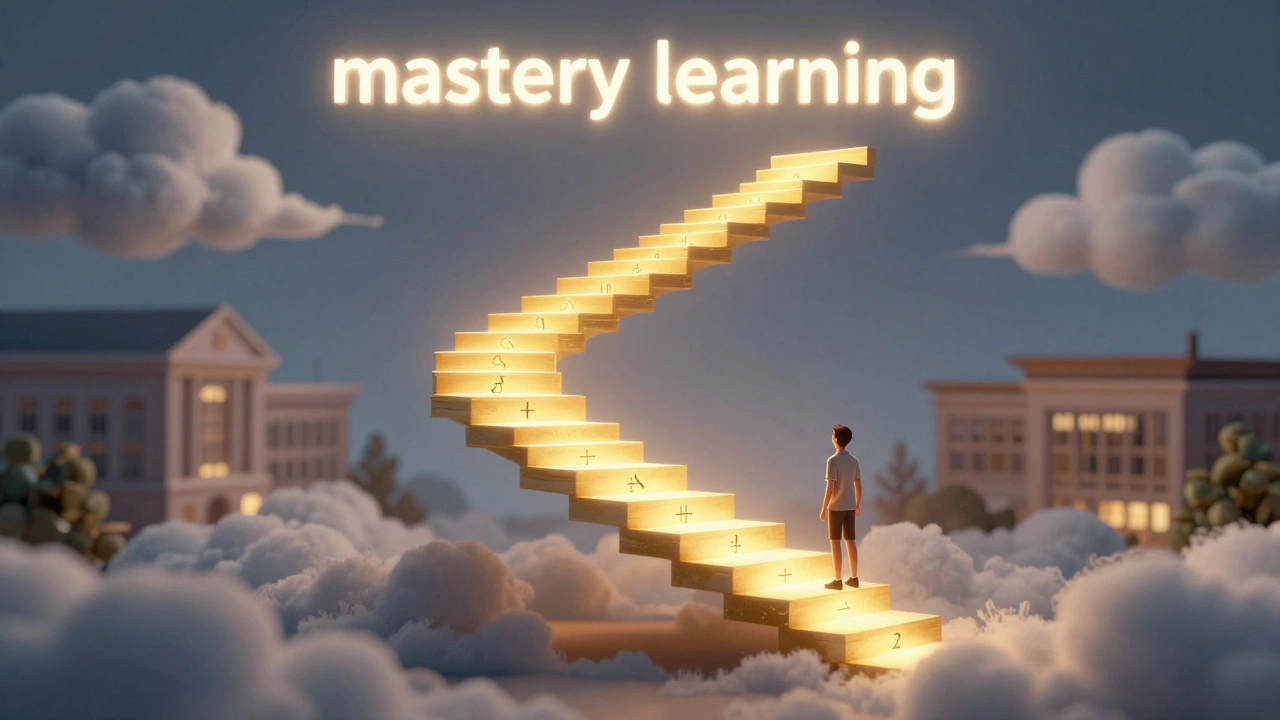
The platform uses a mastery learning approach. You cannot move to the next topic until you prove you understand the current one. This prevents knowledge gaps from piling up. For example, if you are struggling with calculus, Khan Academy will trace your weakness back to algebra and fix it first. This is crucial for long-term retention.
It also offers SAT prep, which is incredibly valuable for students preparing for college entrance exams. The personalized practice tests adapt to your performance, focusing on areas where you lose points. If you are looking for a solid foundation in STEM subjects, this is the gold standard.
Learning Languages Without Breaking the Bank
Language learning is expensive. Private tutors charge hundreds per hour. Apps like Duolingo is a popular language-learning platform that uses game-like lessons to teach vocabulary and grammar. make it accessible. Duolingo relies on repetition and spaced repetition algorithms to keep words in your memory. The free version includes ads, but the core experience remains intact.
However, Duolingo has limits. It is great for building a habit and learning basic vocabulary. It struggles with complex grammar explanations and conversation skills. For deeper understanding, pair it with Memoize is a free flashcard app that leverages spaced repetition to help users memorize facts efficiently. or similar tools. You create your own decks based on what you encounter in real life.
If you prefer structured grammar, look at Babbel is a language learning app focused on practical conversation skills and correct grammar usage. Babbel offers a free trial, but its free tier is more limited than Duolingo’s. For completely free immersion, try changing your phone’s language settings to your target language. It forces you to learn contextually.
Becoming a Developer with freeCodeCamp
Coding bootcamps cost thousands of dollars. You don’t need them. freeCodeCamp is a non-profit community helping people learn to code by building projects. is entirely free and offers certifications that are respected in the tech industry. The curriculum covers HTML, CSS, JavaScript, Python, and React.
The key difference here is project-based learning. You don’t just watch videos. You write code to pass challenges. Each certification requires you to build five major projects. These projects go directly into your portfolio. Employers care about what you can build, not just what you know.
The community forum is also a huge asset. When you get stuck, thousands of experienced developers are ready to help. This mimics the real-world experience of asking for help on Stack Overflow. It teaches you how to debug and communicate technical problems clearly.
University Education via Coursera Audit Mode
You might think university courses are out of reach without a degree program. Coursera is an online learning platform offering courses from top universities and companies around the world. changes that. Most courses on Coursera allow you to "audit" for free. This means you can watch all lectures, read materials, and participate in discussions. You just won’t get a graded certificate.
This is perfect for professional development. Want to learn data science from Stanford? Go ahead. Interested in digital marketing from Google? Available. The quality is identical to what paying students receive. The only restriction is access to graded assignments and peer reviews.
To maximize this, treat the course seriously. Complete the optional quizzes. Join the discussion forums. Build your own projects based on the concepts. Many professionals have switched careers using only audited courses and self-built portfolios.

Visual Learning with YouTube and edX
YouTube is a global video-sharing platform that hosts millions of educational channels covering diverse topics. is often overlooked as a learning tool. It is powerful. Channels like Crash Course, Veritasium, and Professor Leonard offer structured educational content for free. The key is curation. Don’t just browse randomly. Subscribe to channels that align with your specific goals.
For more formal structures, check out edX is an online learning platform founded by Harvard and MIT offering free courses from top universities. Similar to Coursera, edX allows free access to course materials. It focuses heavily on STEM and humanities. The interface is slightly more academic, which appeals to serious learners.
Combine YouTube tutorials with edX coursework for a balanced approach. Use YouTube for quick concept explanations and edX for deep dives. This hybrid method keeps learning engaging while maintaining rigor.
Practical Tips for Staying Consistent
Downloading an app is easy. Using it consistently is hard. Here is how to stay on track:
- Set Micro-Goals: Aim for 15 minutes a day, not 5 hours on Sunday. Consistency beats intensity.
- Use Spaced Repetition: Review material at increasing intervals. Apps like Anki automate this process.
- Join Communities: Find Discord servers or Reddit groups related to your topic. Accountability helps.
- Apply Immediately: Learn a concept, then use it within 24 hours. Theory fades without practice.
- Track Progress: Keep a simple log of what you learned. Seeing your growth motivates you.
Avoid the trap of collecting apps. Pick one primary tool and stick with it for at least 90 days. Switching platforms resets your progress and wastes energy. Depth matters more than breadth.
Common Pitfalls to Avoid
Many learners fail because they expect instant results. Language fluency takes years. Coding proficiency takes months of deliberate practice. Be patient. Also, beware of "passive learning." Watching videos without taking notes or practicing is ineffective. Active recall is key. Test yourself frequently.
Another mistake is ignoring feedback. If an app marks your answer wrong, analyze why. Don’t just guess until you get it right. Understand the underlying principle. Finally, don’t neglect sleep and exercise. Your brain consolidates memories during rest. Burning out hurts your learning capacity.
Are free learning apps really effective?
Yes, if used correctly. Platforms like Khan Academy and freeCodeCamp offer content comparable to paid courses. Success depends on your consistency and active engagement, not the price tag.
Can I get a job using only free apps?
Absolutely. Many developers and designers built their careers using free resources. Employers value portfolios and practical skills over expensive certificates. Focus on building real projects.
Which app is best for absolute beginners?
Khan Academy is excellent for general knowledge and school subjects. For languages, Duolingo provides a gentle introduction. For coding, freeCodeCamp starts from zero and builds up gradually.
Do free apps provide certificates?
Some do. freeCodeCamp offers verified certificates for completing its curricula. Coursera and edX usually charge for certificates, though the course content is free to audit. Check each platform’s policy.
How much time should I spend daily?
Aim for 30-60 minutes daily. Short, consistent sessions are more effective than long, infrequent ones. This fits easily into most schedules and prevents burnout.
Leave a comments