
Plumbing DIY Feasibility Checker
Is Your Project Safe to DIY?
Check if your plumbing job meets Ontario Building Code requirements for home use.
Can you really learn plumbing by yourself? No textbooks, no apprenticeship, no formal classes-just YouTube videos, a wrench, and a lot of trial and error. The short answer: yes, you can. But whether you should is a different question entirely.
What Plumbing Actually Requires
Plumbing isn’t just tightening pipes and fixing leaky faucets. It’s a system that connects to your home’s water supply, sewage lines, gas lines (in some cases), and local building codes. A bad repair can cause flooding, mold, structural damage, or even gas leaks. In Toronto, the Ontario Building Code and local municipal bylaws are strict. Inspectors don’t care if you learned from a TikTok video-they care if the work passes inspection.Real plumbers don’t just know how to replace a cartridge. They understand water pressure dynamics, venting requirements for drains, backflow prevention, pipe sizing, and how thermal expansion affects copper lines. These aren’t things you pick up from a 10-minute YouTube tutorial.
What You Can Learn on Your Own
There’s a big difference between learning basics and becoming a professional. You can absolutely teach yourself to:- Replace a toilet flapper or fill valve
- Unclog a drain with a plunger or auger
- Install a new faucet or showerhead
- Fix a running toilet
- Replace a water heater’s anode rod
- Install a dishwasher or garbage disposal
These are common household tasks. Many homeowners in Toronto do them successfully every year. Home Depot and Rona sell kits with step-by-step guides. You don’t need a license for these jobs-if you’re doing them in your own home.
But here’s the catch: once you start working on main supply lines, sewer stacks, or gas lines, you’re crossing into regulated territory. In Ontario, only licensed plumbers can legally work on these systems. Even if you fix it perfectly, an inspector will shut it down if you’re not certified.
The Hidden Costs of Self-Taught Plumbing
People think saving money is the biggest benefit of learning plumbing on their own. But hidden costs add up fast:- Water damage repairs: One leaky joint under a sink can rot floor joists. Repairs cost $2,000-$8,000.
- Insurance claims: If your DIY work causes damage, your home insurance might deny the claim. Most policies require work to be done by licensed tradespeople.
- Permit fees: If you pull a permit for a renovation and the work fails inspection, you’ll pay to redo it-plus fines.
- Time lost: A simple fix that takes a pro 45 minutes can take you three weekends if you’re learning as you go.
One Toronto homeowner I know spent $1,200 on tools and materials trying to re-pipe his bathroom. He ended up hiring a licensed plumber to fix his mistakes. Total cost: $3,800. He could’ve just hired the plumber from the start for $2,900.
Where Self-Taught Plumbing Works Best
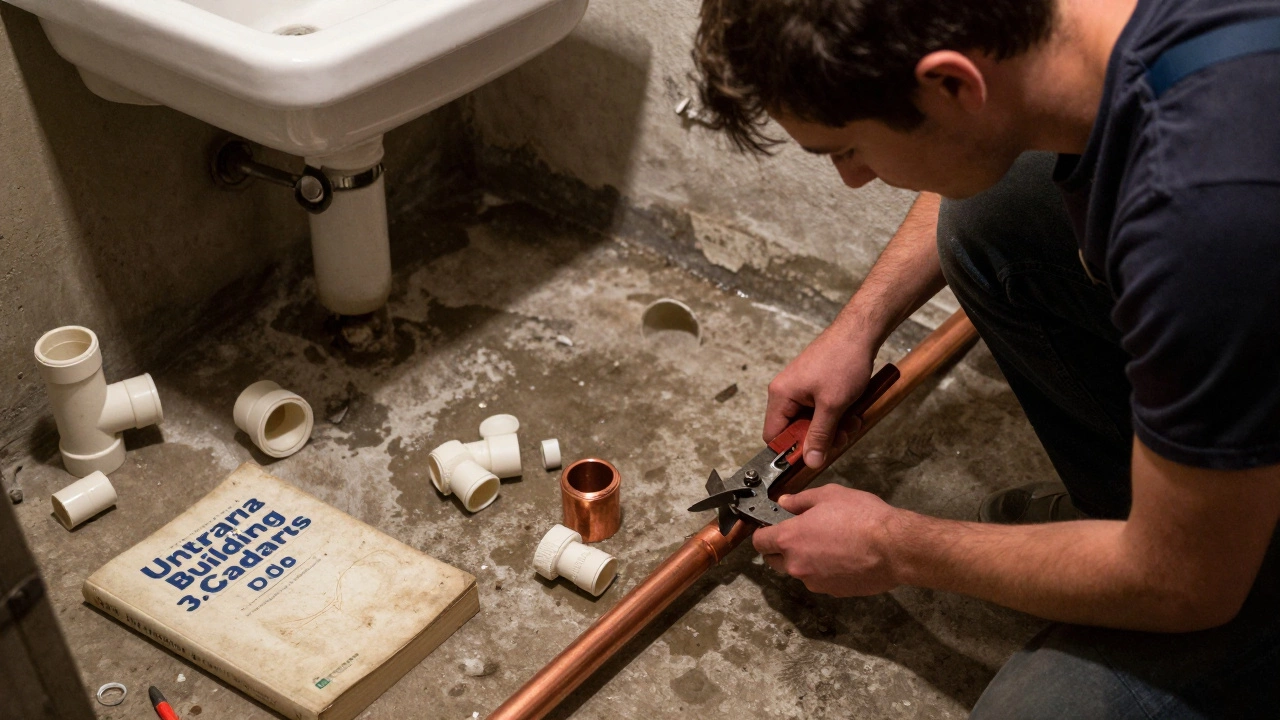
There are real situations where learning plumbing yourself makes sense:- You’re renting and want to fix minor issues without calling your landlord.
- You’re flipping a house and want to cut labor costs on non-permit work.
- You’re handy and enjoy learning practical skills as a hobby.
- You’re preparing for a future apprenticeship and want a head start.
Many apprentices in Ontario start by doing small repairs at home before enrolling in a trade school. It gives them confidence and helps them understand what they’re learning in class.
How to Self-Teach Plumbing the Right Way
If you’re serious about learning plumbing on your own, here’s how to do it without risking your home or safety:- Start with low-risk projects: Replace a showerhead, fix a dripping faucet, install a new toilet. These are safe, legal, and teach you how to shut off water valves and use basic tools.
- Buy a code book: Get the Ontario Building Code (OBC) section on plumbing. It’s not fun to read, but it’s the law. You’ll learn why vents are required, how far a toilet can be from a stack, and what materials are approved.
- Watch certified instructors: Skip influencers. Look for courses from Home Repair Tutor, Family Handyman, or the Canadian Home Builders’ Association. These are backed by real trade experience.
- Practice on old fixtures: Buy a used sink, toilet, or pipe set from a salvage yard. Practice cutting, gluing, and threading without risking your home.
- Know when to stop: If you’re dealing with a main water line, sewer line, or gas line-call a pro. No amount of YouTube will make you qualified.
When You Should Go Formal
If you’re thinking about plumbing as a career, self-teaching is just the beginning. To become a licensed plumber in Ontario:- You need a 5-year apprenticeship (4 years of on-the-job training + 1 year of classroom).
- You must pass the Ontario College of Trades (OCOT) certification exam.
- You need to be registered with the Ministry of Labour, Immigration, Training and Skills Development.
Many trade schools in Toronto, like George Brown College or Humber College, offer pre-apprenticeship plumbing programs. These cost $3,000-$6,000 but give you a leg up when applying for apprenticeships. Employers prefer candidates who’ve already taken the basics.
Some people try to skip school and find a master plumber willing to take them on. It’s possible-but rare. Most journeymen won’t risk their license training someone who doesn’t understand code.
Tools You’ll Need (and What You Don’t)
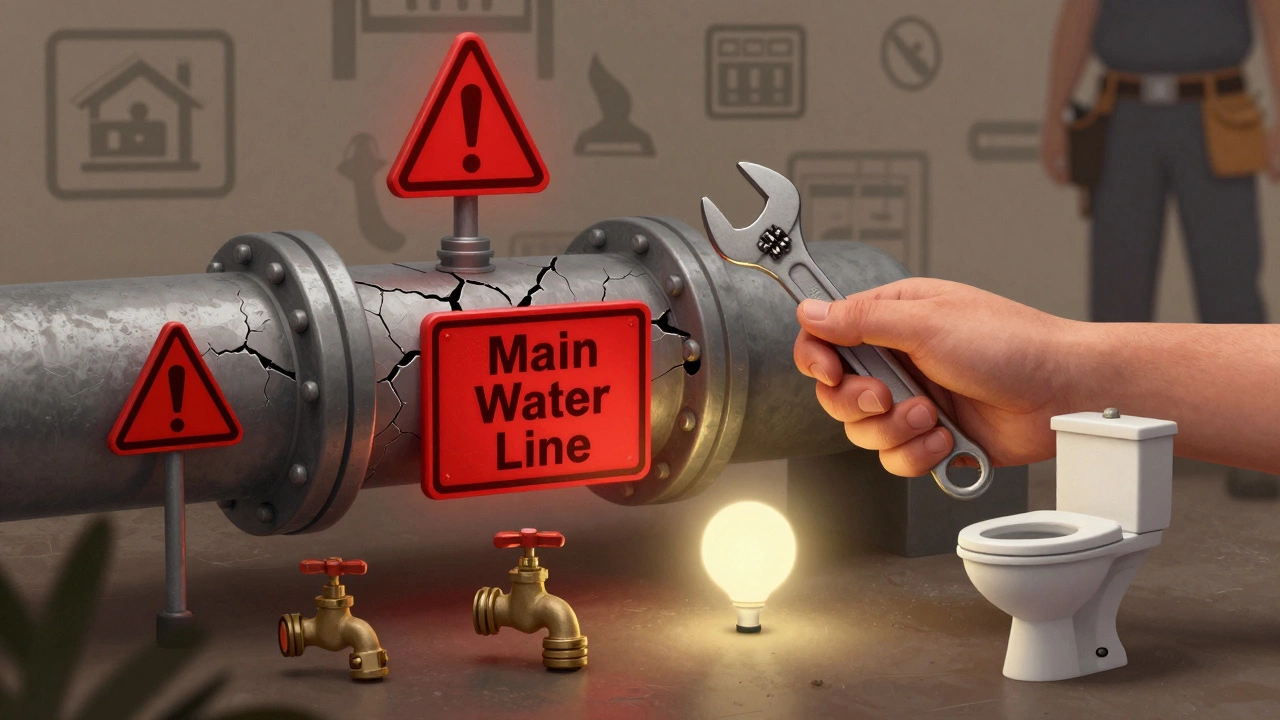
You don’t need a $2,000 tool kit to start. Here’s what you actually need:- Adjustable wrench
- Plunger
- Drain auger (snake)
- Pipe cutter
- Channel-lock pliers
- Teflon tape and pipe dope
- Bucket and towels
- Water shutoff key
Save your money on expensive pipe threaders, pressure testers, or video drain cameras. You won’t use them unless you’re working professionally.
Real Stories from the Field
A woman in Mississauga taught herself to replace all her bathroom fixtures over two years. She saved $8,000 in labor. She never touched the main lines. She still calls a plumber when the water heater needs replacing.A man in Hamilton tried to re-route his sewer line to add a basement bathroom. He didn’t know about the required slope. His toilet backed up every time he flushed. The repair cost $11,000. He now works as a plumber’s assistant.
There’s no shame in learning on your own. But there’s huge risk in pretending you’re ready for the big stuff.
Final Verdict
Yes, you can self-teach plumbing-for basic, non-regulated tasks. You’ll save money, gain confidence, and avoid waiting for a handyman. But you can’t self-teach your way to a license. You can’t self-teach your way around building codes. And you can’t self-teach your way out of a flooded basement.Think of it like driving. You can learn to change a tire on your own. But you don’t try to become a truck driver by watching videos. Plumbing is the same. Start small. Know your limits. And when in doubt-call a pro.
Can I legally do plumbing work in my own home without a license in Ontario?
Yes, you can legally do minor plumbing repairs in your own home without a license-like replacing faucets, toilets, or showerheads. But you cannot work on main water supply lines, sewer stacks, or gas lines without being licensed. Even if you do it perfectly, an inspector will fail the job if you’re not certified. Always check with your local municipality before starting any project.
Is it cheaper to learn plumbing yourself than to hire someone?
For small fixes, yes. Replacing a faucet yourself might save you $200-$400. But for anything bigger-like re-piping or adding a bathroom-it’s rarely cheaper. Tools, materials, permits, and mistakes often cost more than hiring a professional. One bad leak can cost $5,000+ in repairs. Most homeowners who try big DIY plumbing end up paying twice.
How long does it take to become a licensed plumber in Ontario?
It takes five years: four years of paid apprenticeship under a licensed plumber, plus one year of classroom training through an approved college program. After that, you must pass the Ontario College of Trades certification exam. Many apprentices work part-time while studying. The entire process costs between $5,000 and $10,000, depending on the school and tools.
Can I get an apprenticeship without formal training?
It’s possible, but rare. Most employers require at least a high school diploma and some basic knowledge of plumbing. Having done DIY projects at home helps, but most journeymen won’t take on an apprentice who doesn’t understand safety or code basics. Taking a pre-apprenticeship course at a college like George Brown or Humber gives you a major advantage when applying.
What are the most common mistakes DIY plumbers make?
The top mistakes include: not turning off the main water valve before starting, using too much Teflon tape (which can break valves), ignoring pipe slope (causing slow drains), skipping vents (leading to gurgling and sewer gas), and not testing for leaks after reassembly. Many also use PVC glue on copper pipes or try to connect plastic to metal without proper fittings. These errors cause leaks, backups, and code violations.
Do I need insurance if I do DIY plumbing?
Your home insurance doesn’t cover damage caused by DIY work that violates building codes. If your unlicensed plumbing causes a flood, your insurer can deny your claim. Always check your policy. Some insurers require licensed professionals for any work involving water or gas lines. Even if you fix it yourself, you’re still liable for any damage you cause.
What’s the best way to start learning plumbing if I want to go professional?
Start by taking a pre-apprenticeship plumbing course at a college like George Brown or Humber. These programs teach code basics, tool use, and safety. Then, apply for apprenticeships with local plumbing companies. Many offer paid training. You’ll earn while you learn. Do small repairs at home to build confidence, but never skip formal training if you want to be licensed. The trade doesn’t reward guesswork-it rewards certification.
Leave a comments