Job Corps Car Policy Eligibility Checker
Job Corps generally does not allow students to keep personal vehicles on campus. However, there are rare exceptions. This tool helps you determine if you might qualify for an exception based on your specific circumstances.
Results
Many people joining Job Corps wonder if they can bring their car to campus. It’s a practical question - after all, you’re likely moving away from home, maybe for the first time, and you want to know how much freedom you’ll have. The short answer? Job Corps generally does not allow students to keep personal vehicles on campus. But there are exceptions, and understanding the why behind the rule can help you plan better.
Why Job Corps Doesn’t Let You Keep a Car
Job Corps is a federally funded program run by the U.S. Department of Labor. It’s designed to give young adults ages 16 to 24 a fresh start through education, job training, and housing - all at no cost. That includes meals, uniforms, medical care, and a weekly stipend. The program operates on a residential model, meaning most students live on campus in dorm-style housing.
Allowing personal vehicles would create major safety and logistical problems. Think about it: hundreds of teens and young adults, many with little driving experience, suddenly having access to cars on the same campus where they’re also learning to fix engines or work in construction. Accidents happen. Distractions increase. Discipline becomes harder to enforce.
There’s also the issue of equity. Not everyone comes from a background where they own a car. If some students had cars and others didn’t, it could create social divides. Job Corps tries to level the playing field - everyone gets the same resources, same rules, same structure.
What About Exceptions?
Yes, there are rare exceptions. If you have a documented medical need - like a mobility issue that requires a specially equipped vehicle - you may be allowed to keep a car. You’ll need to submit paperwork from a licensed doctor or specialist and get approval from your center’s director. Even then, parking is limited and often restricted to a specific area.
Another exception is for students in certain advanced job training programs. For example, if you’re in the Automotive Technology track and your training requires you to use a personal vehicle for off-site diagnostics or fieldwork, your instructor might grant temporary permission. But this is not common, and it’s always supervised.
Don’t assume you’ll get an exception just because you’re a good driver or because your car is old. The rules are applied consistently across all centers.
How Do Students Get Around?
Job Corps centers are usually located in rural or semi-rural areas, which means public transportation is often limited. But that doesn’t mean you’re stuck. Most centers offer free shuttle services to nearby grocery stores, laundromats, medical clinics, and sometimes even malls or movie theaters. Schedules are posted in the student lounge and on the center’s app.
If you need to travel farther - say, to visit family on weekends - Job Corps often partners with local bus lines or offers discounted tickets. Some centers even organize group rides to major cities on holidays. You can also use your weekly stipend to pay for rideshares like Uber or Lyft when needed.
Many students learn to rely on biking, walking, or carpooling with peers who have permission to drive. It builds community. And honestly, after a few weeks, most students realize they don’t miss having a car. The freedom comes from being independent, not from having wheels.

What Happens If You Bring a Car Anyway?
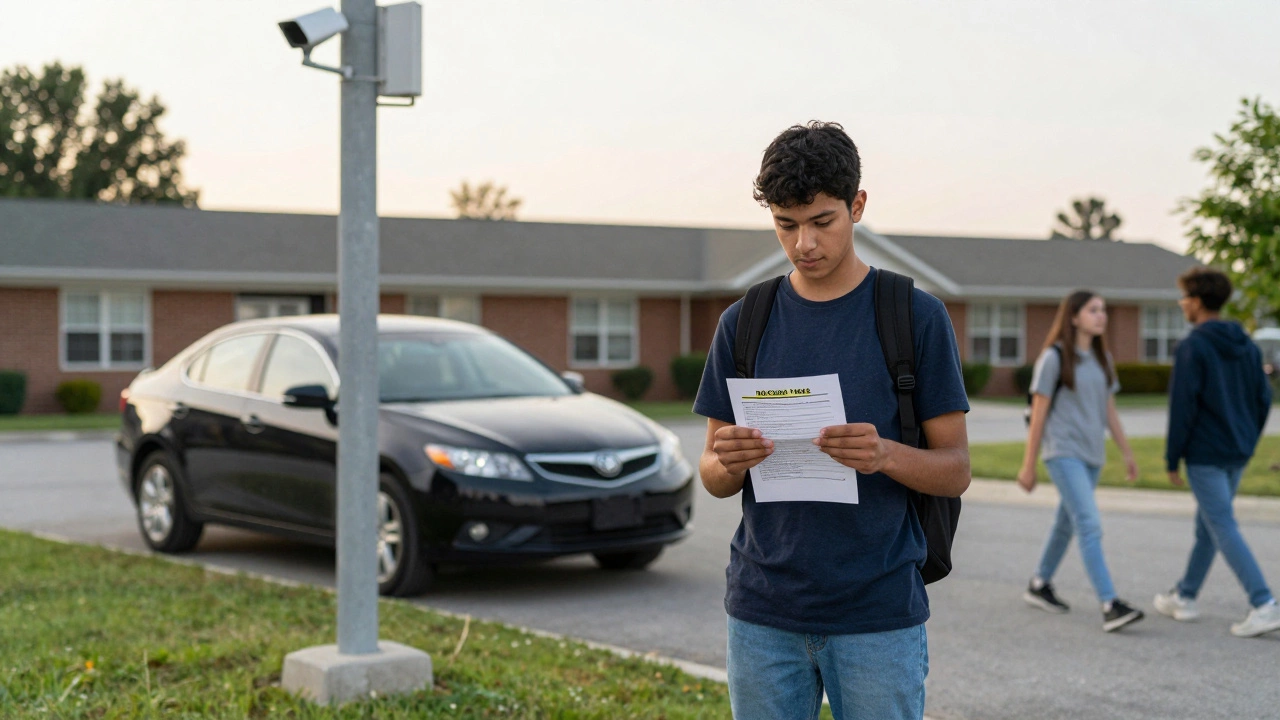
Some students try to sneak in a vehicle. They think, “It’s just parked outside - no one will notice.” But they do notice. Job Corps centers have security cameras, regular patrols, and staff trained to spot unauthorized vehicles.
If you’re caught with a car without approval, here’s what happens:
- Your vehicle will be towed at your expense.
- You’ll receive a written warning.
- Repeated violations can lead to suspension or dismissal from the program.
It’s not worth the risk. You’re here to build a future, not fight rules. And if you’re caught trying to get around the system, it can affect your references and future job placements.
What to Do Instead
If you’re worried about being stuck on campus, here’s what actually works:
- Use the shuttle. It runs daily, and you’ll get to know the schedule fast.
- Ask about weekend passes. Many centers allow students to leave for 24-48 hours on weekends if they’re in good standing.
- Use your stipend wisely. $40-$60 a week might not sound like much, but it covers rideshares, snacks, and phone data - enough to stay connected.
- Build relationships. If you need a ride to the doctor or the bus station, someone will help. Job Corps is built on mutual support.
- Plan ahead. If you know you’ll need to travel for a family event, talk to your advisor early. They often help coordinate group travel.

Real Stories: What Students Say
Jamal, 19, joined Job Corps in Ohio after dropping out of high school. He brought his 2008 Honda Civic with him, thinking it would give him independence. Within three days, he was pulled aside by a counselor. “I didn’t realize how strict they were,” he says. “But after the car was towed, I actually felt lighter. No more worrying about gas, parking, or repairs. I started biking everywhere. Now I’m in the Electrical Trades program and I’m saving money for my own place after graduation.”
On the other hand, Lisa, 21, from rural Kentucky, had no car and no family nearby. She was nervous about being stuck. But after a few weeks, she found a group of students who carpooled to the nearest Walmart every Friday. “We took turns driving. One kid had a permit and his dad let him use the truck. We all chipped in for gas. It felt like a team.”
Bottom Line
You can’t bring a car to Job Corps - not unless you have a medical need or special training approval. And honestly, that’s not a bad thing. The program is designed to help you focus on your future, not on car payments, insurance, or parking tickets. You’ll still get around. You’ll still have freedom. You’ll still build skills, confidence, and connections.
Job Corps isn’t about giving you everything you had before. It’s about giving you something better: a real shot at a career you can be proud of.
Can I store my car at Job Corps if I leave it parked off-site?
No. Job Corps does not allow students to store vehicles on or near campus property, even if they’re not being driven. This includes trailers, motorcycles, ATVs, or RVs. If your car is parked on a nearby street or in a private lot, staff may still find out through local law enforcement or neighbor reports. Violations are treated the same as having a car on campus.
Do I get a driver’s license through Job Corps?
Job Corps doesn’t offer driver’s license training as part of its standard curriculum. But some centers partner with local DMVs or driving schools to offer discounted lessons. If you don’t have a license and want one, ask your advisor - many centers help students enroll in affordable courses using their stipend or program funds.
What if I live far from the Job Corps center and have no way to get there?
Job Corps covers the cost of your initial travel to the center. Whether you’re flying, taking a bus, or riding a train, they’ll book and pay for your ticket. You’ll receive a travel voucher and instructions before you leave. After you arrive, transportation is handled through the center’s shuttle system and approved rides.
Can I use my stipend to buy a car after I graduate?
Yes - and many graduates do. Your stipend is yours to save. Some students save for months to buy a used car after they finish training. Job Corps also offers job placement help, so once you’re employed, you’ll have steady income to support a vehicle. Many employers even offer transportation assistance or parking benefits.
Are there any Job Corps centers that allow cars?
No. All 120+ Job Corps centers across the U.S. follow the same federal policy: no personal vehicles on campus. This rule is consistent whether you’re in Alaska, Florida, or Oregon. There are no exceptions based on location or center size.
Leave a comments