
Window Entry Decision & Cost Estimator
Locked out? Answer these questions to see if you should try opening the window yourself or call a professional, along with an estimated cost.
Result Title
Explanation goes here.
It’s 2 AM. You’re shivering on the balcony because your phone is inside, and the sliding window is locked from the other side. Your heart races as you wonder if breaking the glass is your only option. Then you remember: locksmiths don’t just deal with doors. They have a whole toolkit for getting you back into your home without turning it into a crime scene.
If you are wondering whether calling a professional is worth it compared to grabbing a hammer, the short answer is yes. But the longer answer involves understanding what these technicians actually do, how they get trained-especially here in India where vocational skills are booming-and when you should handle it yourself versus when you need help.
The Reality of Window Entry Services
Most people picture a locksmith picking a complex deadbolt. While that is part of the job, window entry is a different beast entirely. It requires a mix of patience, specific tools, and knowledge of how modern security systems work. When you call a locksmith for a window, you aren't paying them to "pick" a lock in the traditional sense. You are paying them to bypass or remove the barrier keeping you out.
There are three main ways professionals approach this problem:
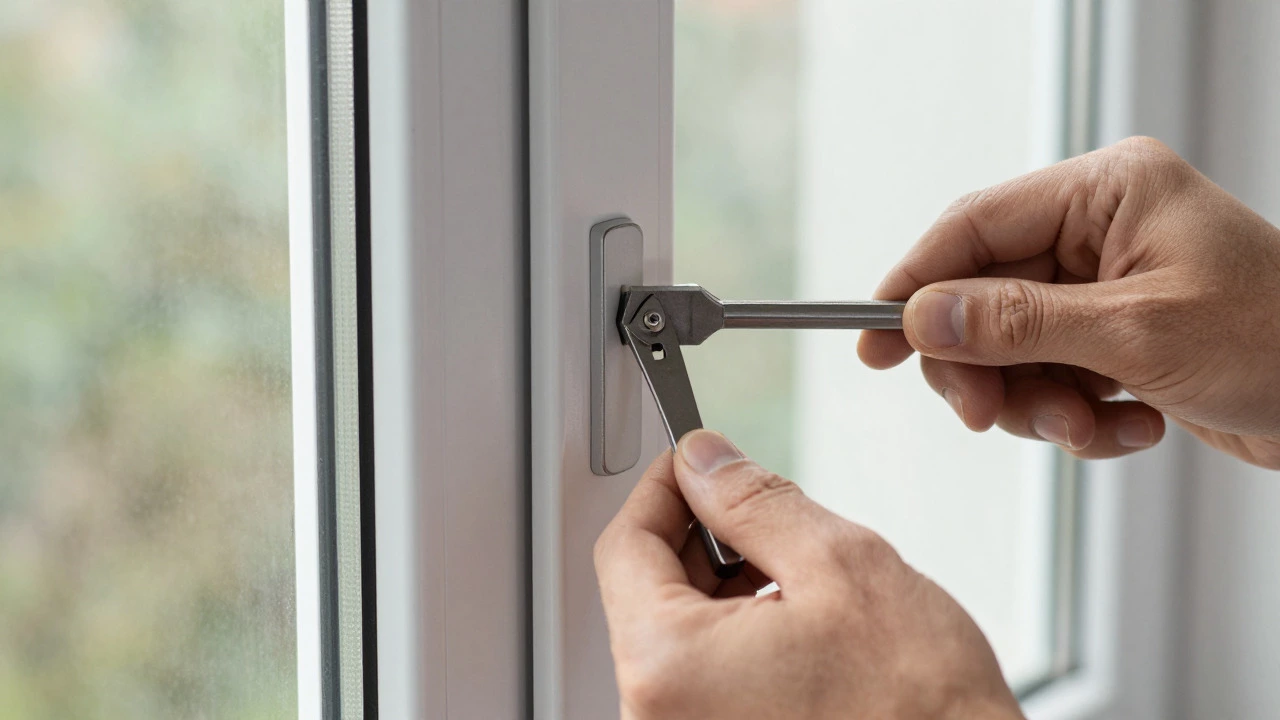
- Sliding Window Bypass: This is the most common request. Technicians use thin shim tools or specialized picks to manipulate the latch mechanism from the outside. If the window slides, there is often a gap between the frame and the sash. With enough skill, they can reach through that gap to unlock the handle without touching the glass.
- Glass Removal (Non-Destructive): For fixed-pane windows or those with tight seals, some locksmiths carry portable suction cups and cutting tools. They can carefully cut a hole in the center of the pane, reach in, unlock the interior mechanism, and then replace the glass later. This preserves the integrity of the frame.
- Controlled Breakage: Sometimes, nothing else works. In these cases, a pro knows exactly where to hit the glass to minimize shards flying inward. They will tape the window first to contain the debris, making cleanup significantly easier than a DIY smash-and-grab attempt.
The key difference between a pro and a panicked homeowner is damage control. A bad break can ruin your blinds, scratch your walls, or leave sharp edges that injure you while trying to climb in. A professional minimizes this risk.
Why Training Matters: The Indian Context
You might be thinking, "Can’t I just watch a YouTube video and try this myself?" You can, but the margin for error is slim. This is where formal training comes into play. In recent years, locksmith training in India has evolved from informal apprenticeships to structured vocational programs. Institutes across cities like Delhi, Mumbai, and Bangalore now offer certified courses that cover everything from basic pin-tumbler locks to high-security electronic systems and, crucially, emergency entry techniques.
These courses teach students about the mechanics of different window types. Not all windows are created equal. An old wooden casement window behaves differently than a modern aluminum sliding patio door. Without proper training, you might apply force to a weak point, cracking the frame instead of unlocking the latch. Trained locksmiths learn to identify the locking mechanism type before they even touch the tool.
Furthermore, Indian vocational boards emphasize customer service and legal compliance. Knowing when to ask for ID, how to document the entry, and how to explain the cost upfront are skills taught in these programs. This professionalism separates legitimate businesses from roadside operators who might overcharge or cause unnecessary damage.
Tools of the Trade: What Pros Use That You Don’t Have
Let’s look at the gear. If you head to a hardware store, you’ll find screwdrivers and pliers. A locksmith carries specialized instruments designed for precision.
| Tool Type | \nDIY Approach | Professional Locksmith Kit | Risk Level |
|---|---|---|---|
| Manipulation | Screwdriver, Wire Hanger | Tension Wrenches, Slim Jim Variants, Shim Kits | High (Scratching/Breaking) |
| Glass Handling | Hammer, Glove | Suction Cups, Glass Cutters, Tape | Medium (Shards/Cleanup) |
| Lighting | Phone Flashlight | LED Headlamps, Borescopes | Low |
| Security | None | Temporary Latches, Reinforcement Strips | Low |
For instance, borescopes allow technicians to see inside the locking mechanism through tiny gaps. This visual confirmation means they know exactly which lever to push. Without that visibility, you are guessing. Guessing leads to broken latches, which means replacing the entire window assembly rather than just fixing the lock.
When to Call a Pro vs. DIY Solutions
Not every locked-out situation requires a billable hour. Here is a practical decision tree to help you figure out your next move.
Try DIY if:
- The window is a simple sliding type with a visible latch.
- You have a credit card or a thin plastic shim handy.
- The weather is calm and safe for climbing.
- You are not dealing with tempered safety glass (which shatters completely).
Call a Professional if:
- The window is double-glazed or has a complex multi-point locking system.
- It is raining, windy, or dark outside.
- You live in an apartment building with strict noise or damage policies.
- You suspect the lock is jammed due to rust or misalignment.
In India, especially in dense urban areas, many buildings have security guards who can assist with basic entries. However, if the guard lacks the right tools, calling a certified technician ensures the job is done right the first time. Many training institutes now partner with local service aggregators, ensuring that trained graduates are available via apps for quick response times.
Cost Considerations and Value
People often hesitate to call a locksmith because of perceived high costs. Let’s break it down. A professional window entry service might cost between ₹1,500 and ₹4,000 depending on the city and complexity. Compare that to the cost of replacing a shattered double-paned glass unit, which can easily run ₹8,000 to ₹15,000 plus labor for installation.
Additionally, consider the hidden costs of DIY failure. If you crack the frame, you’re looking at carpentry repairs. If you cut yourself on glass, there’s medical attention. If you scare off a neighbor by shouting while swinging a hammer, there’s social awkwardness. The locksmith fee buys you peace of mind, speed, and minimal collateral damage.
Moreover, many professionals offer a "re-keying" service immediately after entry. If you were locked out because you lost your keys, they can change the cylinder so your old keys no longer work. This adds security value that a DIY break-in never provides.

Finding Reliable Help in Your Area
With the rise of digital platforms, finding a locksmith has become easier, but vetting them is still crucial. Look for providers who mention their training background. In India, certifications from recognized vocational bodies add a layer of trust. Ask questions before they arrive:
- "Will you need to break the glass?"
- "What is your total estimated cost including travel?"
- "Do you provide a receipt and warranty on the repair?"
A transparent professional will answer these clearly. Vague answers are a red flag. Also, check reviews specifically mentioning window services. Some locksmiths specialize in cars; others focus on residential homes. Make sure you are hiring someone experienced with house windows.
Prevention: Keeping Yourself Out of Trouble
The best way to avoid a late-night emergency is prevention. Simple habits can save you thousands of rupees and hours of stress.
- Keep a Spare Key Smart: Hide a spare key in a magnetic box under a flower pot or give one to a trusted neighbor. Avoid the classic "under the mat" spot.
- Maintain Your Hardware: Lubricate window tracks and locks annually. Dust and grime build up quickly in Indian climates, causing mechanisms to stick. A little silicone spray goes a long way.
- Install Smart Locks: For sliding doors, consider retrofitting with smart handles that can be opened via app or keypad. This technology is becoming more affordable and widely available in metropolitan areas.
- Check Before You Close: It sounds obvious, but always verify the latch is fully engaged or disengaged before walking away. Muscle memory fails us more often than we think.
By taking these small steps, you reduce the likelihood of needing emergency services. And if you do end up locked out, knowing that trained professionals exist who can solve the problem without destroying your property is a comforting thought.
Do locksmiths break the glass to open windows?
Not usually. Most professional locksmiths try non-destructive methods first, such as using shim tools to slide the latch or manipulating the lock mechanism through gaps. Breaking glass is a last resort used only when mechanical bypass fails or if the window design allows no other access. When they do break it, they use techniques to minimize damage and contain shards.
How much does it cost for a locksmith to open a window in India?
Costs vary by location and urgency. In major cities like Mumbai or Delhi, expect to pay between ₹1,500 and ₹4,000 for standard residential window entry. Emergency night calls or complex security windows may cost more. Always ask for a quote before the work begins to avoid surprises.
Is locksmith training available online in India?
While theoretical knowledge can be learned online, practical locksmith skills require hands-on training. Most reputable institutes in India offer hybrid models or full-time residential courses where students practice on real locks and windows. Purely online certificates are less valued by employers because they lack proof of manual dexterity and tool proficiency.
Can I open a sliding window myself with a credit card?
Yes, for simple sliding windows with exposed latches, a stiff plastic card or shim can sometimes slip between the panes to push the latch up. However, this method risks scratching the frame or damaging the seal. It works best on older, simpler mechanisms. Modern security windows often have internal locks that prevent this trick.
What should I look for in a qualified locksmith?
Look for certification from recognized vocational training centers, clear pricing policies, and positive reviews mentioning punctuality and care. A good locksmith will arrive in uniform, show ID, explain their process, and provide a detailed invoice. Avoid those who demand cash-only payments upfront without a written estimate.
Leave a comments