Mumbai English Proficiency & Survival Guide
In local markets like Crawford Market or street stalls, English takes a backseat. Shopkeepers prefer Hindi or Marathi. Complex negotiations require non-verbal cues or translation apps.
Pro Tip:
Use translation apps; learn basic Hindi numbers.
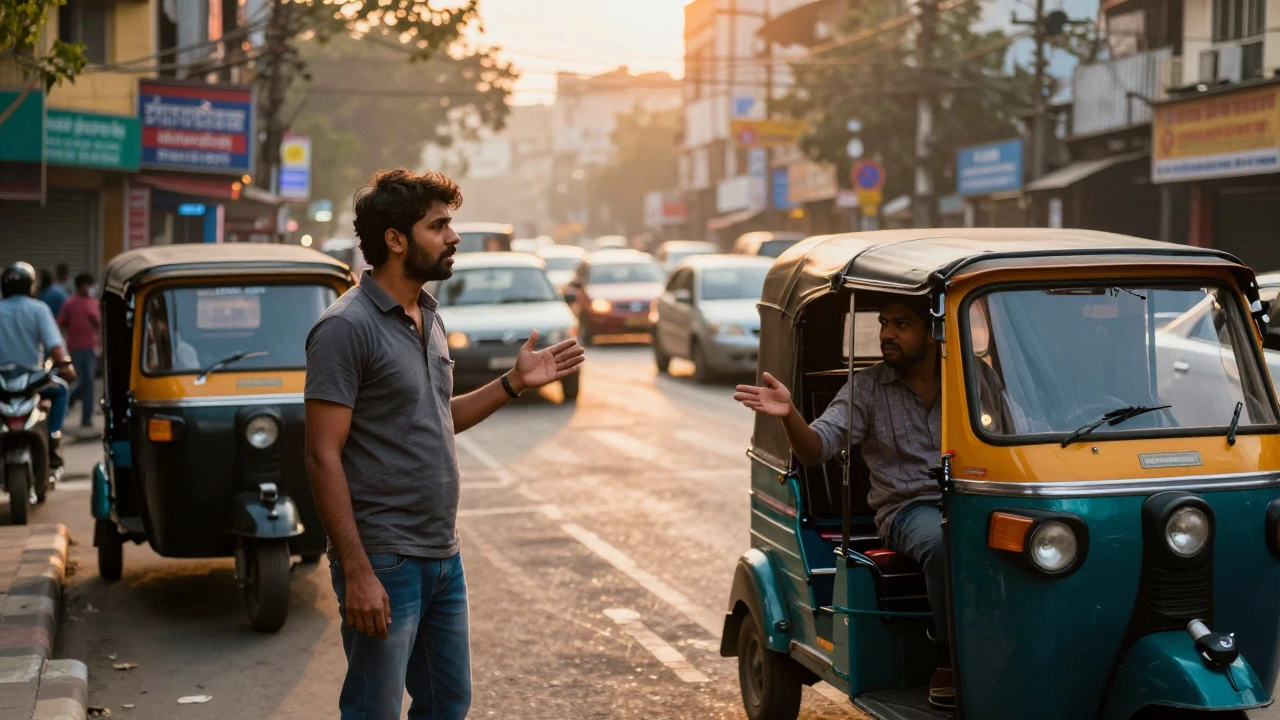
Picture this: You land at Chhatrapati Shivaji Maharaj International Airport. The humidity hits you first, followed by the roar of traffic. You approach a taxi driver, ask for directions to your hotel in South Mumbai, and wait for a response in perfect British Received Pronunciation. It doesn’t happen. Instead, you get a mix of rapid-fire Hindi is an Indo-Aryan language widely spoken across northern India and used as a lingua franca in many parts of the country, some broken English, and gestures that leave you feeling like you’ve landed on Mars.
So, do people in Mumbai speak English? The short answer is yes. The long answer is complicated, nuanced, and entirely dependent on where you are, who you’re talking to, and what you’re trying to buy. If you are planning a trip, moving for work, or just curious about the linguistic landscape of India’s financial capital, understanding this dynamic is crucial. It isn't just about grammar; it's about social codes, class structures, and the unique way Mumbai blends its regional identity with global connectivity.
The Linguistic Landscape of Mumbai
Mumbai is not a monolith. It is a city of stark contrasts, and its language map reflects those divisions. To understand if you can get by with English, you need to look at the three pillars of communication here: Marathi is the official state language of Maharashtra, native to millions of residents in Mumbai and surrounding regions, Hindi, and English.
Marathi is the soul of the city. It is the language of home, of local markets, and of cultural pride. If you walk into a small eatery in Dharavi or take a local train from Virar to CSMT, Marathi dominates. However, Marathi speakers are generally bilingual. Most will switch to Hindi or English if they sense you don’t understand them.
Hindi acts as the bridge. Because Mumbai attracts migrants from all over India-particularly from Uttar Pradesh, Bihar, and Rajasthan-Hindi serves as the default "street language" for daily transactions. You can order food, haggle for clothes, and ask for help using basic Hindi phrases almost anywhere outside the high-end corporate zones.
Then there is English. In Mumbai, English is less of a mother tongue for the majority and more of a tool of status and necessity. It is the language of business, higher education, and tourism. According to recent census data and linguistic surveys, while only a small percentage of Indians claim English as their first language, proficiency rates in metropolitan hubs like Mumbai are significantly higher than the national average. Estimates suggest that between 30% to 40% of Mumbaikars have functional English skills, though fluency varies wildly.
Where English Works (And Where It Fails)
If you rely solely on English, your experience in Mumbai will be segmented. Here is how it breaks down by context:
- Corporate and Business Districts: Areas like Bandra Kurla Complex (BKC), Lower Parel, and Nariman Point operate almost exclusively in English. If you are attending meetings, visiting banks, or dealing with multinational corporations, English is not just sufficient; it is expected. Colleagues and clients here often code-switch seamlessly between English and Hindi, but English remains the primary mode of professional documentation and formal speech.
- Hospitality and Tourism: Hotels, restaurants in tourist-heavy areas like Colaba and Fort, and guided tour services cater to international visitors. Staff in these sectors are trained to communicate in clear, simple English. You will rarely face a barrier when checking into a five-star hotel or ordering at a fine-dining establishment.
- Retail and Shopping: High-end malls like Phoenix Palladium or Oberoi Mall have staff fluent in English. However, step into a local market like Crawford Market or a street stall in Chor Bazaar, and English takes a backseat. Here, Hindi and Marathi rule. While shopkeepers might understand basic queries, complex negotiations will likely require a translator or reliance on non-verbal cues.
- Public Transport: This is where many travelers stumble. Announcements on the local trains and BEST buses are made in Marathi, Hindi, and English. However, the conductors and station masters often respond faster to Hindi or Marathi. Asking a rickshaw wallah for a fare estimate in English might yield a price tripled due to the perceived "foreigner premium." Switching to Hindi or showing the destination on a map app works better.
The Reality of "Mumbai English"
Even when Mumbaikars speak English, it sounds different. You won’t hear the crisp accents of London or New York. Instead, you’ll encounter Indian English, which has its own rhythm, vocabulary, and grammatical quirks. For example, the use of "do the needful" instead of "please handle this," or "revert back" instead of "reply."
Don’t let this confuse you. These variations are standard in the region. The key takeaway is that while pronunciation may differ, comprehension is usually high among educated professionals. However, speed is an issue. Conversations in Mumbai are fast-paced. People talk quickly, even in English. If you are a slow learner or new to the language, you might find yourself nodding along while missing half the conversation. This is why many expats and tourists opt for English language courses are structured programs designed to improve fluency, business communication, and conversational skills for non-native speakers before or during their stay.

Why Language Barriers Matter More Than You Think
You might think, "I can just use Google Translate." And for simple tasks, you can. But language is also about trust and connection. When you attempt to speak Hindi or even acknowledge Marathi, you signal respect. You move from being an outsider looking in to a participant in the local culture.
Consider the scenario of negotiating a rent agreement. Landlords in residential areas like Andheri or Powai often prefer communicating in Hindi or Marathi. If you only speak English, you may be perceived as difficult to deal with or potentially wealthy enough to pay above-market rates without negotiation. Understanding the local linguistic dynamics can save you money and build better relationships with neighbors and service providers.
Furthermore, in emergencies, English may not be the most effective tool. Police stations and local hospitals vary in their English proficiency. While major hospitals like Lilavati or Kokilaben have international desks with English-speaking staff, smaller clinics may rely on Hindi. Knowing a few key phrases in Hindi can be life-saving in stressful situations.
Practical Tips for Communicating in Mumbai
If you are heading to Mumbai and want to navigate smoothly, here is a strategy that goes beyond just speaking English:
- Learn Basic Hindi Greetings: Start with "Namaste" (hello/greetings) and "Shukriya" (thank you). These two words open doors. They show humility and effort. Even if your Hindi is terrible, the attempt is appreciated.
- Use Technology Wisely: Download offline translation apps. Google Translate and Microsoft Translator work well for text and voice. Use them in markets and with transport drivers. Show, don’t just tell.
- Observe and Adapt: Listen to the language being spoken around you. If everyone is speaking Marathi, try to pick up one or two words. If it’s Hindi, switch gears. Code-switching is a skill in itself.
- Be Patient and Clear: When speaking English, avoid idioms and slang. Say "Please go straight" instead of "Keep going till the cows come home." Speak slowly, but not condescendingly. Enunciate clearly.
- Leverage Local Contacts: If you are relocating, hire a local assistant or join expat communities. Facebook groups like "Expats in Mumbai" are goldmines for real-time advice on navigating linguistic hurdles.
The Role of English Education in Mumbai
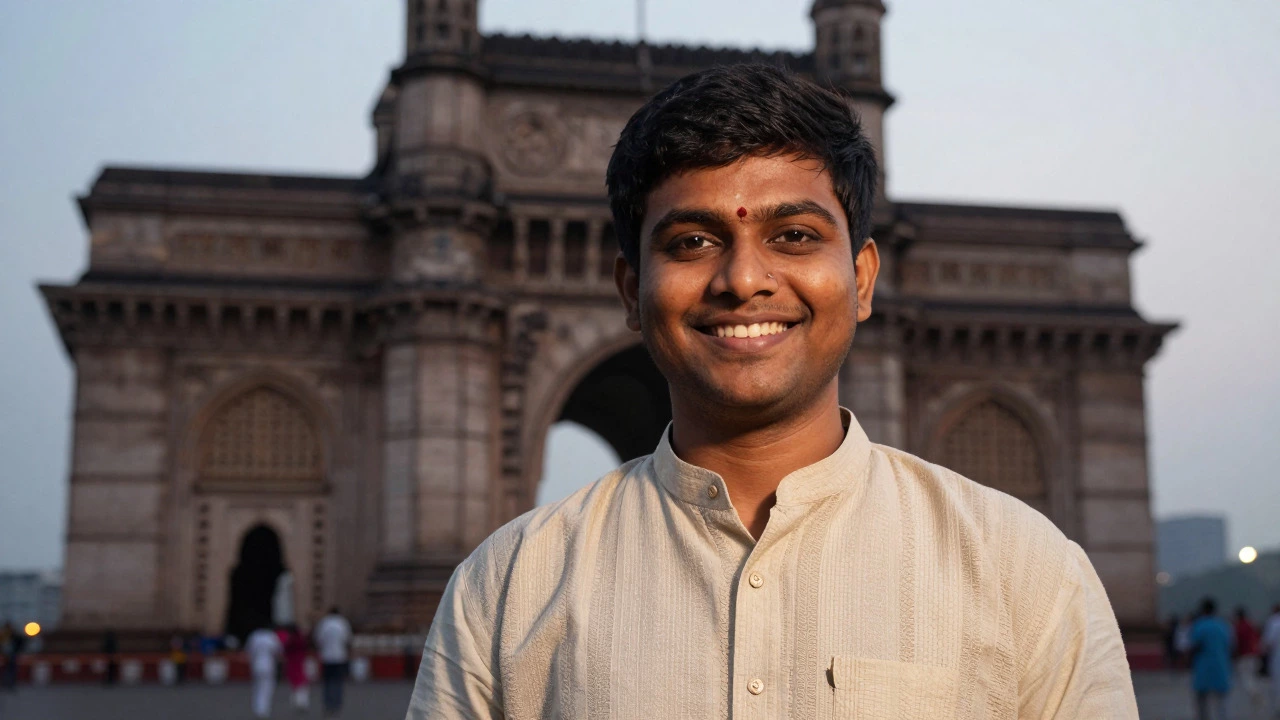
Mumbai has a robust ecosystem for learning English. From prestigious international schools to affordable coaching centers, the demand for English proficiency drives a massive industry. Institutions offer everything from conversational English to Business English certification.
For adults, online platforms have democratized access. Many Mumbaikars now learn English via apps and virtual tutors, allowing them to practice at their own pace. This trend is increasing the overall English proficiency rate in the city, especially among the younger generation. If you plan to stay long-term, consider taking a course. It’s not just about improving your own skills; it’s about aligning with the city’s evolving communication norms.
| Context | Primary Language | English Utility | Recommendation |
|---|---|---|---|
| Corporate Offices | English | High | Speak confidently; use formal tone |
| Local Markets | Hindi/Marathi | Low | Use translation apps; learn basic Hindi numbers |
| Hotels & Restaurants | English/Hindi | Medium-High | English works well; polite tone helps |
| Public Transport | Marathi/Hindi | Low | Use maps; keep cash ready; minimal talking |
| Healthcare (Major Hospitals) | English | High | Bring medical records in English |
Conclusion: Embrace the Mix
Do people in Mumbai speak English? Yes, but they also speak Hindi, Marathi, Gujarati, Tamil, and dozens of other languages. Mumbai is a linguistic melting pot. Expecting everyone to speak fluent English is unrealistic and limits your experience. Embracing the multilingual nature of the city enriches it. Learn a few words, use technology, stay patient, and remember that a smile transcends all languages. Whether you are here for a week or a decade, adapting to Mumbai’s communication style is part of the adventure.
Is English enough to survive in Mumbai?
For tourists and corporate professionals staying in central areas, English is largely sufficient. However, for daily life, bargaining, and deeper social integration, knowing basic Hindi or Marathi is highly recommended. Relying solely on English may lead to misunderstandings or higher costs in informal settings.
What is the best language to learn for Mumbai?
Hindi is the most practical second language to learn because it is widely understood across different communities in Mumbai. Marathi is essential for connecting with locals and understanding the city’s cultural roots, but Hindi offers broader utility for daily transactions and travel within Maharashtra.
Do Mumbaikars judge foreigners for not speaking Hindi?
Generally, no. Mumbaikars are known for their hospitality and cosmopolitan attitude. Most people appreciate any effort to communicate. However, attempting basic greetings in Hindi or Marathi often leads to warmer interactions and better service compared to relying strictly on English.
Are there good English courses in Mumbai for beginners?
Yes, Mumbai has numerous institutes offering English language training, ranging from traditional classroom settings to online platforms. Look for courses focused on conversational English and business communication, as these provide the most practical skills for living and working in the city.
Can I use English in Mumbai’s local trains?
While announcements are trilingual, staff on local trains primarily speak Marathi and Hindi. English may not be understood by all conductors or passengers. It is best to use ticket counters with signage in English or rely on digital payment methods to minimize verbal interaction.
Leave a comments