
Locksmith Career & Skill Estimator
Select a lock type or specialization to see estimated time-to-proficiency and income potential in the Indian market.
Result Title
Description
Picture this: you’re standing in front of a high-security safe at 2 AM. Your client is sweating, the police are ten minutes away, and your hands are shaking slightly because you’ve only picked standard pin-tumbler locks before. This isn’t a movie scene; it’s Tuesday for many locksmiths in India. The question everyone asks before signing up for locksmith training India programs is simple but loaded: How hard is it actually?
The honest answer? It’s not rocket science, but it’s definitely not just turning a key either. It sits in that sweet spot where manual dexterity meets mechanical logic. If you can tie your shoelaces without looking and you have patience for repetitive tasks, you’re already halfway there. But let’s break down what makes this trade tough, easy, or somewhere in between, specifically for those entering the field in the Indian market.
The Learning Curve: What Makes Locksmithing Tricky
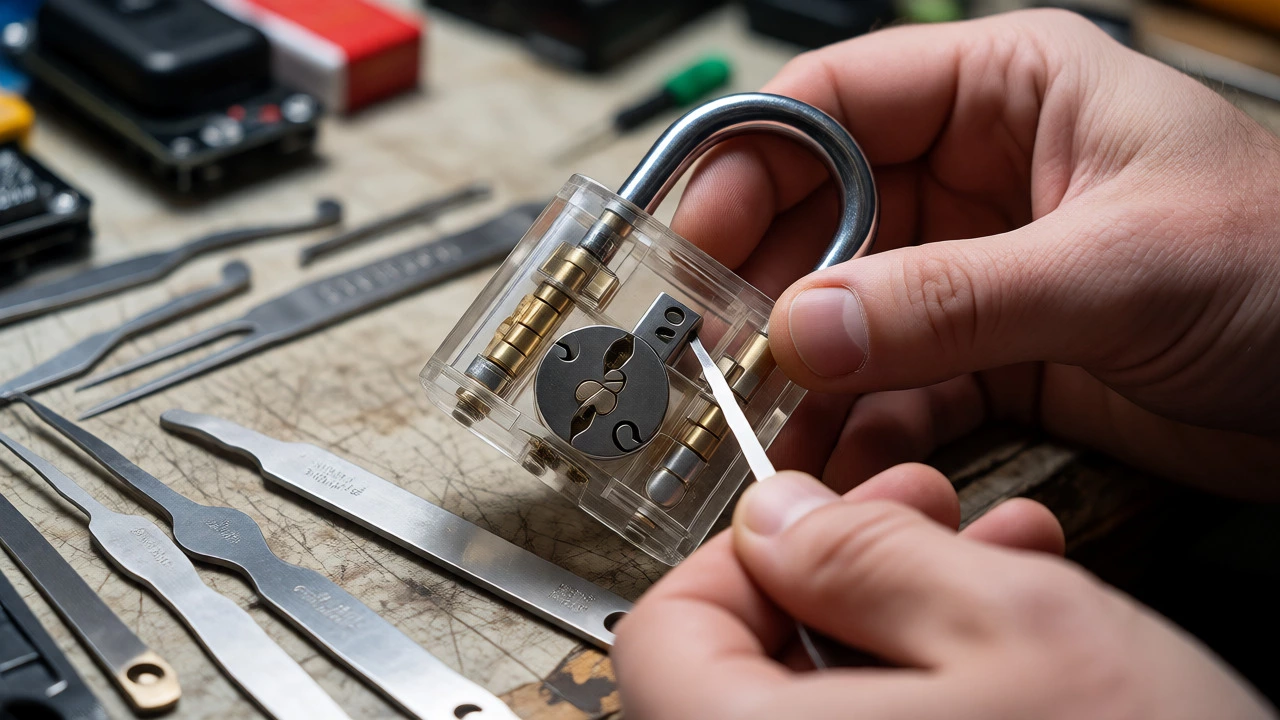
Most people think locksmithing is about brute force. It’s not. It’s about finesse. The hardest part for beginners isn’t the physical strength required; it’s the mental shift from seeing a lock as a barrier to seeing it as a puzzle with feedback loops. When you insert a pick into a pin tumbler lock, you aren’t just wiggling metal. You’re listening for subtle clicks that tell you which pin has set.
In India, the training landscape varies wildly. Some courses teach you to open doors in five minutes using basic tools. Others drill you on re-keying cylinders until your fingers bleed. The difficulty spikes when you move beyond residential deadbolts to commercial grade hardware. A standard Yale lock is forgiving. A Mul-T-Lock or a Medeco might require specific tension wrenches and an understanding of sidebar mechanisms that don’t exist in cheaper models. If your training program skips these advanced mechanics, you’ll feel lost the first time a corporate client calls you.
Here’s a reality check on skill acquisition:
- Basic Residential Locks: Achievable in 2-4 weeks of daily practice.
- Automotive Ignition Systems: Requires 3-6 months to master transponder keys and immobilizers.
- High-Security Safes: Can take years to become proficient due to complex dialing and drilling techniques.
Physical Demands vs. Mental Stamina
Let’s talk about your body. Locksmithing is surprisingly physical. You aren’t lifting heavy beams like a construction worker, but you are holding awkward positions for extended periods. Imagine trying to manipulate a tiny spring inside a cylinder while crouching under a car dashboard or balancing on a ladder outside a third-floor window. Back pain and wrist strain are common complaints among new locksmiths.
Mental stamina matters more than muscle, though. You need to stay calm when things go wrong. Did you break the pick inside the lock? Did the door jam after opening? Panic leads to mistakes, and mistakes lead to damaged property. In the Indian context, where clients might expect immediate results regardless of complexity, managing stress is a critical soft skill. You need to explain why a smart lock installation takes two hours, not ten minutes, without sounding defensive.
| Lock Type | Technical Complexity | Time to Proficiency (India) | Common Pitfalls |
|---|---|---|---|
| Wardrobe/Lever Locks | Low | 1 Week | Applying too much force, damaging wood |
| Standard Deadbolt | Medium | 1 Month | Incorrect tension, misreading pin feedback |
| Car Door/Ignition | High | 3-6 Months | Triggering alarms, breaking transponder chips |
| Safe Combination | Very High | 6+ Months | Dialing errors, drilling damage |
The Indian Context: Market Realities and Training Gaps
If you are pursuing locksmith training India options, you face unique challenges. The market is fragmented. On one end, you have unorganized local repairmen who use makeshift tools. On the other, certified professionals working with brands like Godrej, Ozone, or international imports. The gap between them is where you fit in.
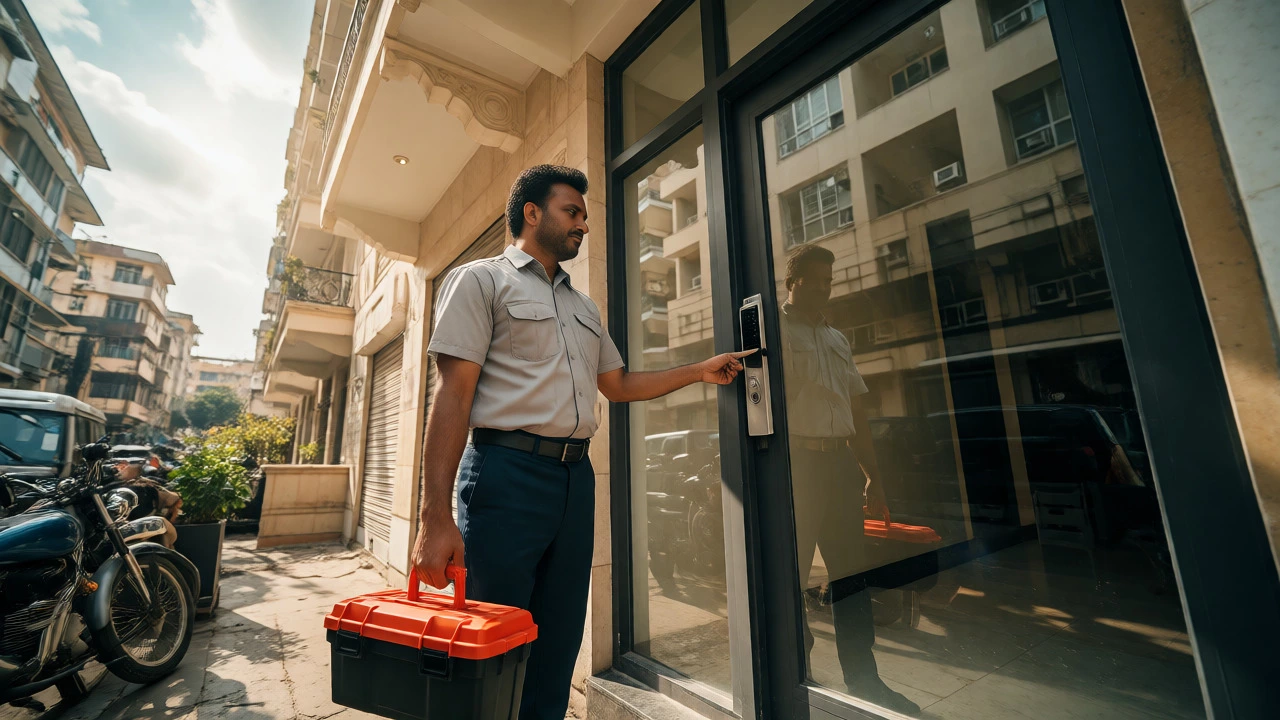
Many traditional apprenticeships in India focus heavily on duplication and basic repairs. They often lack exposure to modern electronic locking systems. As smart homes rise in metros like Delhi, Mumbai, and Bangalore, knowing how to troubleshoot a Wi-Fi connected lock is becoming as important as knowing how to pick a padlock. If your course doesn’t cover electronics, you are learning a dying skillset. You need to understand battery failures, firmware updates, and app connectivity issues.
Another hurdle is tool investment. Quality picks, tension wrenches, and impressioning kits cost money. Cheap tools bend easily and give false feedback, making learning harder. A good set of lock picking tools might cost ₹5,000-₹10,000 initially. This barrier filters out those who aren’t serious, but it also means you need to budget correctly during your training phase.
Certification and Credibility
Does certification make you better? Not automatically. But it does make you hireable. In India, there is no single national regulatory body that mandates licensing for all locksmiths, unlike electricians or plumbers in some states. However, having a certificate from a recognized institution or association adds trust. Clients are wary of thieves posing as locksmiths. Showing ID and credentials reduces their anxiety.
Look for courses that offer hands-on labs, not just theory. Ask if they provide job placement assistance. Many reputable institutes partner with real estate developers or security firms for internships. This practical experience is worth more than any textbook definition of a wafer lock. You learn faster when you have a real door in front of you rather than a plastic cutaway model.
Is It Worth the Effort?
So, why bother? Because demand is steady. People lose keys. Keys break. Doors jam. Security upgrades are constant. While automation threatens some jobs, locksmithing remains resilient because every building needs physical security. The average income for a skilled locksmith in urban India ranges from ₹25,000 to ₹60,000 per month, depending on specialization and location. Automotive specialists earn more due to the higher complexity and urgency of their work.
It’s hard enough to keep you engaged but not so hard that you quit after a week. The satisfaction of hearing that final click when a stubborn lock opens is addictive. If you enjoy solving puzzles and working with your hands, the difficulty curve feels rewarding rather than punishing.
Do I need a degree to become a locksmith in India?
No, a formal university degree is not required. Most locksmiths enter the field through vocational training, apprenticeships, or specialized diploma courses. However, completing a certified locksmith training India program significantly improves employability and customer trust compared to self-taught individuals.
How long does it take to learn basic lock picking?
With consistent daily practice, most beginners can learn to pick standard pin-tumbler locks within 2 to 4 weeks. Mastering more complex locks like wafer or dimple locks typically takes 3 to 6 months. Speed comes with repetition, so practicing on transparent practice locks is highly recommended.
Is locksmithing physically demanding?
It requires moderate physical effort but high precision. You may need to work in awkward positions, such as crouching under cars or climbing ladders. Fine motor skills and hand-eye coordination are more critical than raw strength. Wrist and back care are essential to prevent long-term strain.
What is the earning potential for locksmiths in India?
Entry-level locksmiths can expect to earn between ₹15,000 and ₹25,000 per month. Experienced professionals specializing in automotive or high-security safes can earn ₹40,000 to ₹80,000+ per month, especially in metropolitan areas. Emergency call-out fees also boost income significantly.
Do I need to know electronics for modern locksmithing?
Yes, increasingly so. With the rise of smart locks, biometric scanners, and digital access control systems, understanding basic electronics, wiring, and troubleshooting software issues is crucial. Traditional mechanical knowledge alone is no longer sufficient for the entire market.
Leave a comments