Locksmith Startup Cost Calculator
Calculate Your Locksmith Startup Costs
Get an accurate estimate of your startup costs based on your specific choices. All figures based on 2025 UK market data.
Training Course
Insurance & Certification
Tools & Equipment
Marketing & Setup
Startup Cost Estimate
Tip: Many locksmiths start part-time using subcontracted vehicles to reduce initial investment. You can cover training costs within 3-5 jobs.
Want to become a locksmith in the UK? It’s not just about picking locks-it’s about understanding security systems, building trust with customers, and getting certified legally. But before you grab your first lock pick, you need to know how much it’ll actually cost. The good news? You don’t need a university degree. The bad news? There’s no single price tag. Costs vary depending on how you train, where you live, and what tools you buy. Here’s what you really need to spend to start earning as a locksmith in 2025.
Training courses: The biggest upfront cost
The most common path to becoming a locksmith in the UK is through a short training course. These aren’t college degrees-they’re practical, hands-on programs that last between 3 and 10 days. You’ll learn how to cut keys, rekey locks, install deadbolts, and handle electronic security systems like smart locks and alarm panels.
Most courses cost between £400 and £1,200. The price depends on the provider, location, and depth of training. A basic 3-day course at a local trade school might run £450. A 7-day intensive course with access to high-end tools and real-world scenarios (like safe cracking or automotive lockouts) can hit £900-£1,200. Some providers include starter toolkits in the price; others charge extra.
For example, the Locksmith Training Academy is a UK-based provider offering certified locksmith courses since 2010, with over 2,500 graduates. Their 5-day course costs £895 and includes a basic toolkit worth £250. Compare that to a 3-day course from a smaller local provider in Manchester for £520-but without tools or certification.
Certification and insurance: Non-negotiables
There’s no government-issued locksmith license in the UK. But if you want to work with homeowners, businesses, or emergency services, you’ll need credibility. That means joining a professional body.
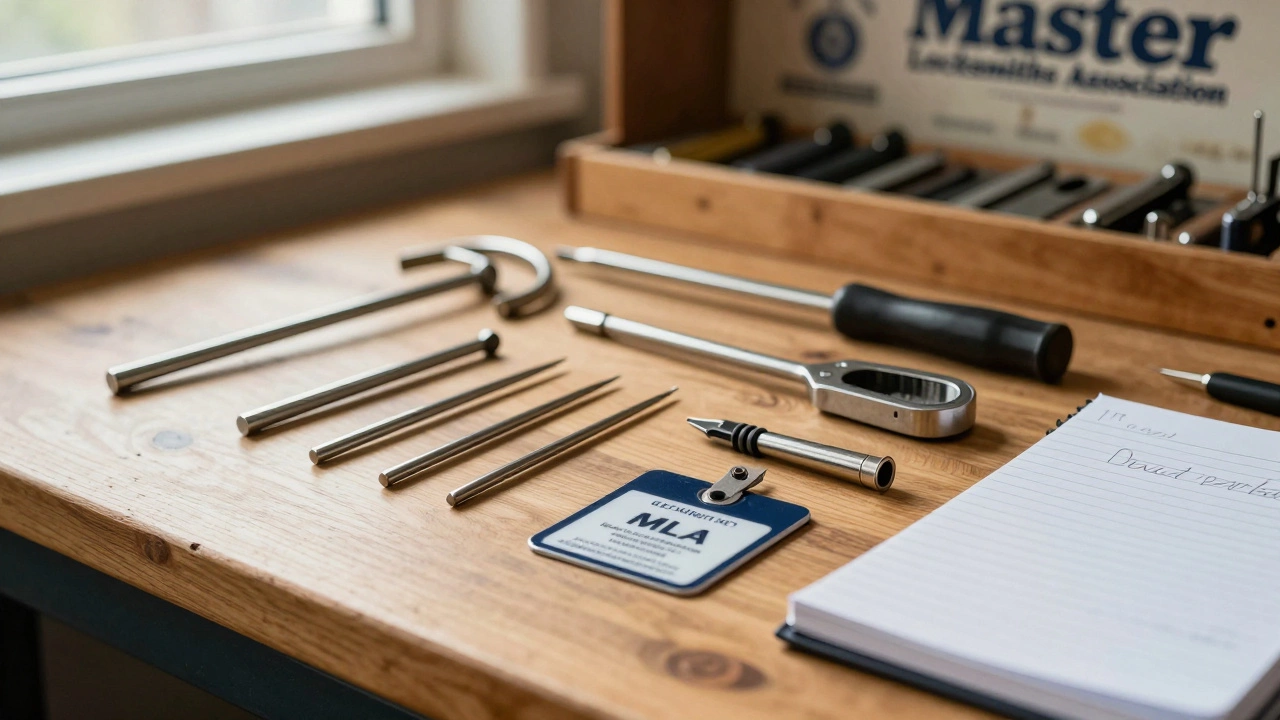
The Master Locksmiths Association (MLA) is the UK’s leading professional body for locksmiths, offering membership, training standards, and public verification. Joining costs £180 per year. You’ll need to prove you’ve completed training, pass a DBS check, and carry public liability insurance.
Public liability insurance is mandatory if you’re working on someone else’s property. Expect to pay £150-£300 per year for £1 million coverage. If you plan to drive for work, you’ll also need van insurance-another £800-£1,500 a year depending on your age and vehicle.
Tools: Your first investment
You can’t work without tools. A basic starter kit includes lock picks, tension wrenches, key cutters, a pinning kit, and a portable drill. A cheap set from Amazon might cost £50-but it won’t last. Professional-grade tools are built to handle hundreds of lockouts a year.
A reliable toolkit from a trusted brand like Medeco or Sargent & Greenleaf will set you back £300-£600. Many training courses include a basic kit. If yours doesn’t, budget for it. Don’t skip this step. Poor tools mean slower jobs, frustrated customers, and lost income.
Later, you’ll need more advanced gear: a key duplication machine (£1,200-£2,500), a car key programmer (£800-£1,800), and a portable safe opener (£1,000+). But you don’t need all that on day one. Start with the essentials and upgrade as you earn.
Marketing and website: Getting found
Locksmiths work locally. If no one knows you exist, you won’t get calls. You need to be on Google. That means a simple website and a Google Business Profile.
A basic website with your services, contact info, and testimonials costs £200-£500 if you hire a freelancer. You can build one yourself using Wix or WordPress for under £100 a year. But don’t forget SEO-people search for "emergency locksmith near me" or "locksmith [your town]". If your site doesn’t show up, you’re invisible.
Google Business Profile is free. But you’ll need photos, reviews, and consistent updates. Many new locksmiths spend £100-£300 on Google Ads in their first 3 months to get initial leads. It’s not mandatory, but it’s a fast way to start earning.
Vehicle and logistics: The hidden expense
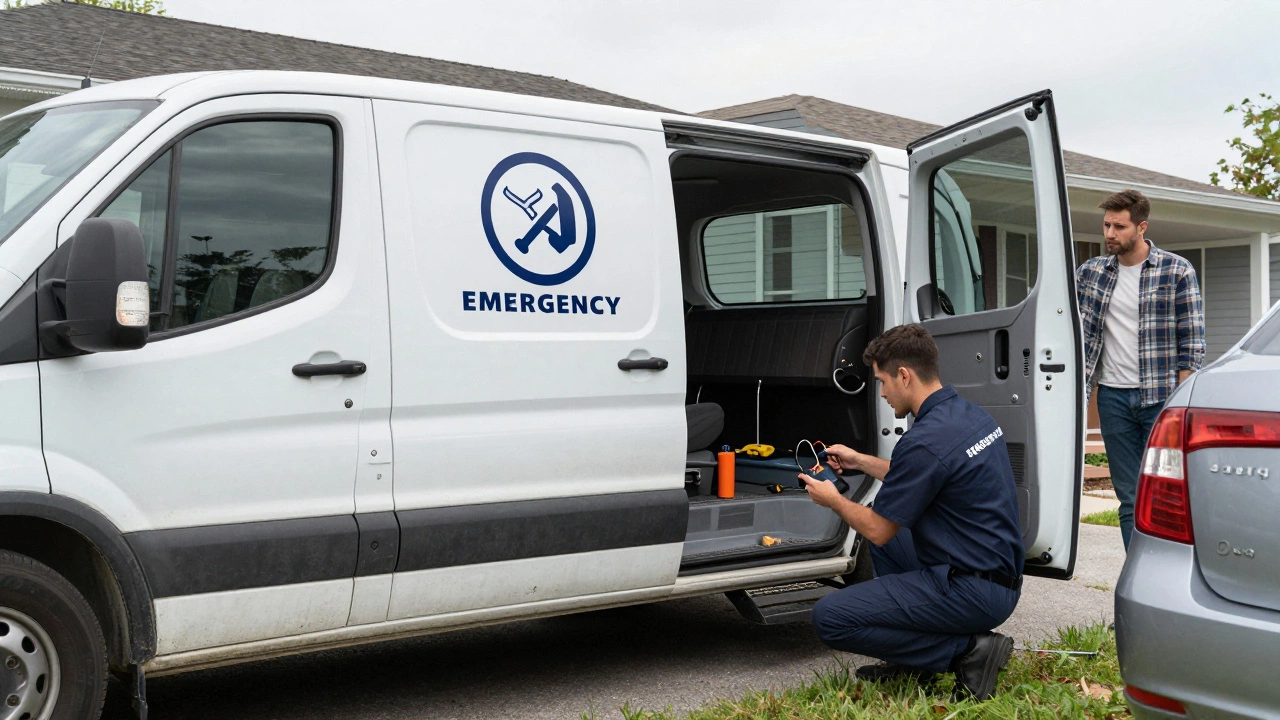
Locksmiths don’t work from an office. You drive to homes, offices, cars, and businesses. You need a reliable vehicle. A used van or small truck is ideal-it holds tools, has space for a portable key machine, and looks professional.
A decent second-hand van (like a Ford Transit or Vauxhall Vivaro) costs £5,000-£12,000. You’ll also need to cover fuel, MOT, servicing, and breakdown cover. Budget £200-£400 a month just for transport. If you’re starting out, consider renting a van for jobs until you have enough clients to justify buying one.
How much does it really cost? The full breakdown
Here’s what the average person spends to launch a locksmith business in the UK in 2025:
- Training course: £500-£1,200
- Professional membership (MLA): £180/year
- Public liability insurance: £200/year
- Basic tool kit: £400
- Website and online presence: £300
- Vehicle (used van): £8,000 (one-time)
- Monthly transport costs: £300
That’s £1,580-£2,280 in the first month, plus the van. But here’s the trick: you don’t need to buy everything at once. Many locksmiths start part-time. They take training, buy a basic toolkit, get insurance, and work as a subcontractor for existing businesses. That way, they use someone else’s van and get paid per job while building their client list.
How long until you break even?
Most locksmiths charge £40-£80 for a standard lockout, £60-£120 for rekeying, and £150+ for emergency calls after hours. A single busy day can earn £300-£600. After your first 3-5 jobs, you’ve covered your training and tool costs.
With consistent work, most full-time locksmiths earn £25,000-£45,000 a year within 12-18 months. If you add services like safe installation, alarm systems, or smart lock setup, you can hit £60,000+.
There’s no guarantee you’ll make it, but the barrier to entry is low compared to other trades. No student debt. No 3-year degree. Just skill, reliability, and a good tool kit.
What’s the catch?
Locksmithing isn’t glamorous. You’ll work nights, weekends, and holidays. You’ll get called at 2 a.m. because someone lost their keys. You’ll deal with angry customers, broken locks, and the occasional security breach. But you’ll also be the person who saves someone’s day.
There’s no magic shortcut. Avoid companies that promise "become a locksmith in 24 hours" or sell "certification kits" for £20. These aren’t respected in the industry. Real training takes time. Real credibility takes effort.
If you’re serious, pick a reputable course. Get MLA membership. Buy solid tools. Build your reputation one job at a time. The cost is upfront. The reward is steady, honest work with no boss.
Do I need a license to be a locksmith in the UK?
No, there’s no official government license for locksmiths in the UK. But to be taken seriously, you need to join a professional body like the Master Locksmiths Association (MLA). They require proof of training, a DBS check, and insurance. Most customers won’t hire you without it.
Can I start as a part-time locksmith?
Yes. Many locksmiths start by working for established companies on a freelance basis. You use their van, tools, and client base while you build your own reputation. It’s a low-risk way to test the trade before investing in your own business.
Are locksmith courses worth the money?
If they’re from a recognized provider like MLA-accredited schools, yes. A good course teaches you real skills, gives you access to tools, and helps you get certified. Cheap online "certificates" won’t open doors. Look for courses with hands-on practice, not just videos.
How long does it take to become a locksmith?
You can complete training in as little as 3 days. But becoming skilled takes months of practice. Most locksmiths spend 6-12 months working under experienced professionals before going solo. Skill comes from repetition, not just certification.
Can I become a locksmith without any experience?
Absolutely. Most locksmiths start with zero experience. The trade doesn’t require previous background in construction or electronics. What matters is attention to detail, problem-solving, and reliability. If you’re willing to learn and show up on time, you can succeed.
Next steps: What to do now
Start by visiting the Master Locksmiths Association website and finding their list of approved training providers. Pick one near you. Call them. Ask what’s included in the course-tools, certification, insurance help? Don’t just pick the cheapest. Pick the one that gives you the most support.
Then, set aside £2,000 for your first month. Use it for training, tools, insurance, and a basic website. Start small. Take one job a week. Build reviews. Ask for referrals. Within 6 months, you’ll know if this is the right trade for you.
Locksmithing isn’t about magic tools or secret codes. It’s about being the person someone calls when they’re locked out. If you’re ready to be that person, the cost is worth it.
Leave a comments