Electrician Physical Demand & Injury Risk Estimator
Assess your daily workload to identify high-risk areas for your back, shoulders, and knees. Get personalized tips to extend your career longevity.
Your Injury Risk Score
Body Area Analysis:
You see the sparks, the high paychecks, and the steady demand for skilled tradespeople in Toronto. But there is a silent partner in every electrician's day: gravity. It pulls you down when you are up a ladder, it twists your spine when you reach into tight ceiling cavities, and it tests your knees when you spend hours crawling through basements. The question isn't just whether you can wire a house; it's whether your body can handle the job ten years from now.
If you are considering electrician training, you need to know what you are signing up for physically. This isn't desk work. It is athletic labor disguised as technical work. Let’s break down exactly how hard this trade is on your body, which parts take the biggest hit, and how you can survive-and thrive-in the industry without ending up with chronic pain by age forty.
The Reality of Daily Physical Load
Most people underestimate the sheer volume of movement involved in electrical work. You aren't just standing still holding a screwdriver. You are climbing ladders, lifting heavy conduit, bending over junction boxes, and twisting your torso to reach awkward spots. According to data from the Bureau of Labor Statistics, electricians have some of the highest rates of non-fatal occupational injuries among all occupations, particularly involving sprains and strains.
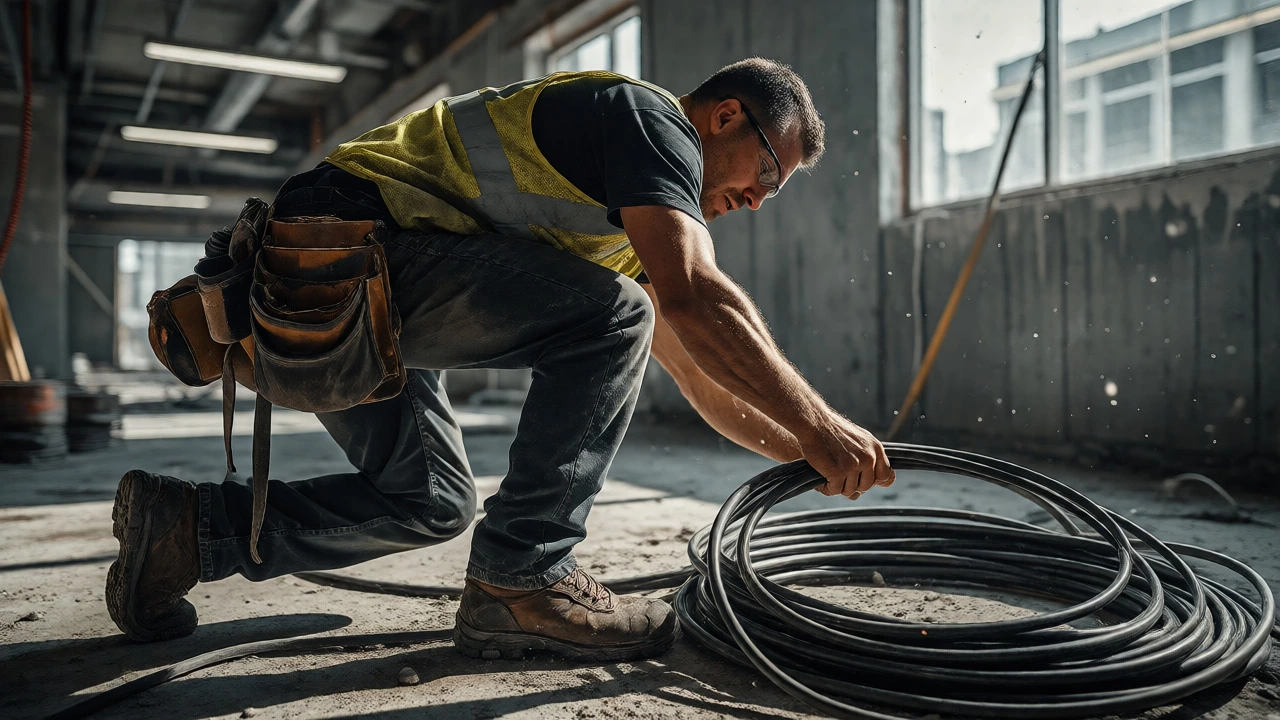
Think about a typical day. You might start on a commercial site, pulling 50-pound rolls of cable across a rough concrete floor. Then you move to a residential retrofit, spending two hours crouched under a sink or lying on your back installing recessed lighting. Your muscles are constantly engaged in stabilizing positions that aren't natural for long periods. This isn't gym-style strength; it's endurance. Your lower back, shoulders, and knees bear the brunt of this repetitive stress.
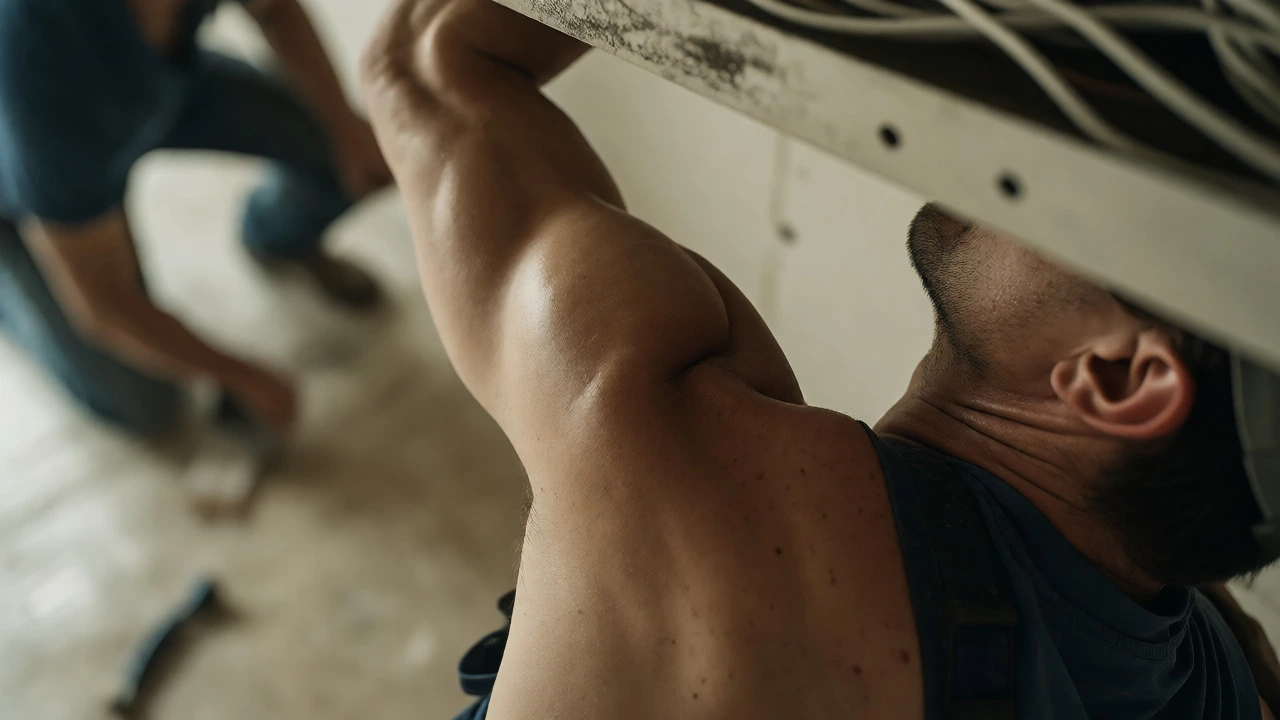
It’s not just about heavy lifting. It’s about sustained awkward postures. Holding your arms above your head while wiring a ceiling fan creates significant strain on the rotator cuff. Kneeling on hard subfloors without proper padding destroys cartilage over time. These micro-traumas accumulate silently until one day, you can’t lift your arm past shoulder height without wincing.
Key Areas at Risk: Back, Shoulders, and Knees
When we talk about physical toll, we need to be specific. Vague warnings don't help you prepare. Here are the three major trouble zones for electricians, based on common injury reports in the construction sector.
| Body Part | Primary Cause | Long-Term Risk |
|---|---|---|
| Lower Back | Lifting conduit, bending over panels, carrying tool belts | Herniated discs, chronic lumbar strain |
| Shoulders | Overhead wiring, reaching into tight spaces, hammering | Rotator cuff tears, impingement syndrome |
| Knees | Crawling, kneeling on concrete, climbing ladders | Bursitis, meniscus wear, osteoarthritis |
Your lower back is the engine room. If it fails, everything else stops. Tool belts alone can weigh 10 to 15 pounds once loaded with pliers, strippers, testers, and hammers. Carrying that weight asymmetrically-on one hip-while walking up stairs or leaning against walls creates uneven torque on your spine. Over years, this leads to muscle imbalances that pull your pelvis out of alignment.
Shoulder issues often come from "overhead fatigue." Wiring commercial ceilings requires you to keep your elbows elevated for extended periods. This restricts blood flow to the deltoids and supraspinatus muscles, leading to inflammation. Many seasoned electricians develop "frozen shoulder" or chronic tendinitis because they never learned to rotate their bodies instead of just their arms.
Knees take a beating from the ground up. Construction sites rarely offer padded floors. Kneeling directly on plywood or concrete compresses the prepatellar bursa sac. Without protective gear, this leads to bursitis, commonly known as "housemaid's knee," which causes swelling and sharp pain. For younger apprentices, this feels like a nuisance. For veterans, it becomes a daily struggle to stand up after a shift.
Environmental Hazards Beyond Muscle Strain
Physical hardness isn't just about musculoskeletal damage. The environment itself poses threats. Noise exposure is a quiet killer. While electricians aren't always next to jackhammers, working near HVAC units, generators, or demolition crews exposes you to decibel levels that cause permanent hearing loss over time. Tinnitus-a constant ringing in the ears-is surprisingly common among tradespeople who didn't wear ear protection consistently in their early years.
Vibration is another factor. Using power tools like rotary hammers or impact drivers transmits vibration through your hands and arms. This can lead to Hand-Arm Vibration Syndrome (HAVS), characterized by numbness, tingling, and reduced grip strength. In cold Canadian winters, this risk amplifies. Cold weather reduces blood flow to extremities, making nerves more susceptible to vibration damage. If you are working outdoors in Toronto during February, your gloves must do double duty: keeping you warm and dampening vibration.
Then there is the mental-physical connection. Stress tightens muscles. High-pressure deadlines, complex troubleshooting, and safety vigilance create chronic tension. Many electricians suffer from tension headaches or neck stiffness not because of a specific lift, but because they hold their breath and clench their jaw while concentrating on intricate circuit diagrams. Managing stress is part of managing physical health.
How to Protect Your Body During Training and Early Career
Good news: you can mitigate most of these risks. It starts before you even finish your apprenticeship. Treat your body like a professional athlete treats theirs. You wouldn't run a marathon without training; don't start an electrical career without preparing your frame.
- Invest in Quality Gear: Don't skimp on boots or knee pads. Look for steel-toe boots with excellent arch support and shock-absorbing soles. For knees, get gel-lined kneepads that allow full range of motion. A supportive tool belt with wide, padded straps distributes weight better than thin leather ones.
- Learn Proper Lifting Mechanics: Lift with your legs, not your back. Keep loads close to your body. Avoid twisting while lifting; pivot your feet instead. This seems basic, but under pressure, bad habits creep in fast.
- Incorporate Stretching Routines: Spend five minutes stretching your hamstrings, hip flexors, and chest before starting work. Tight hips pull on the lower back; tight chests roll shoulders forward, exacerbating upper back pain.
- Take Micro-Breaks: Every hour, stop. Shake out your hands. Roll your shoulders. Walk around. This resets circulation and prevents static posture strain.
During your electrician training, ask instructors about ergonomic techniques. Some programs focus heavily on code and theory but neglect body mechanics. Seek out mentors who demonstrate efficient movement patterns. Watch how experienced journeymen position themselves. They often use step stools instead of stretching, or switch sides frequently to balance muscle usage.
Age and Longevity in the Trade
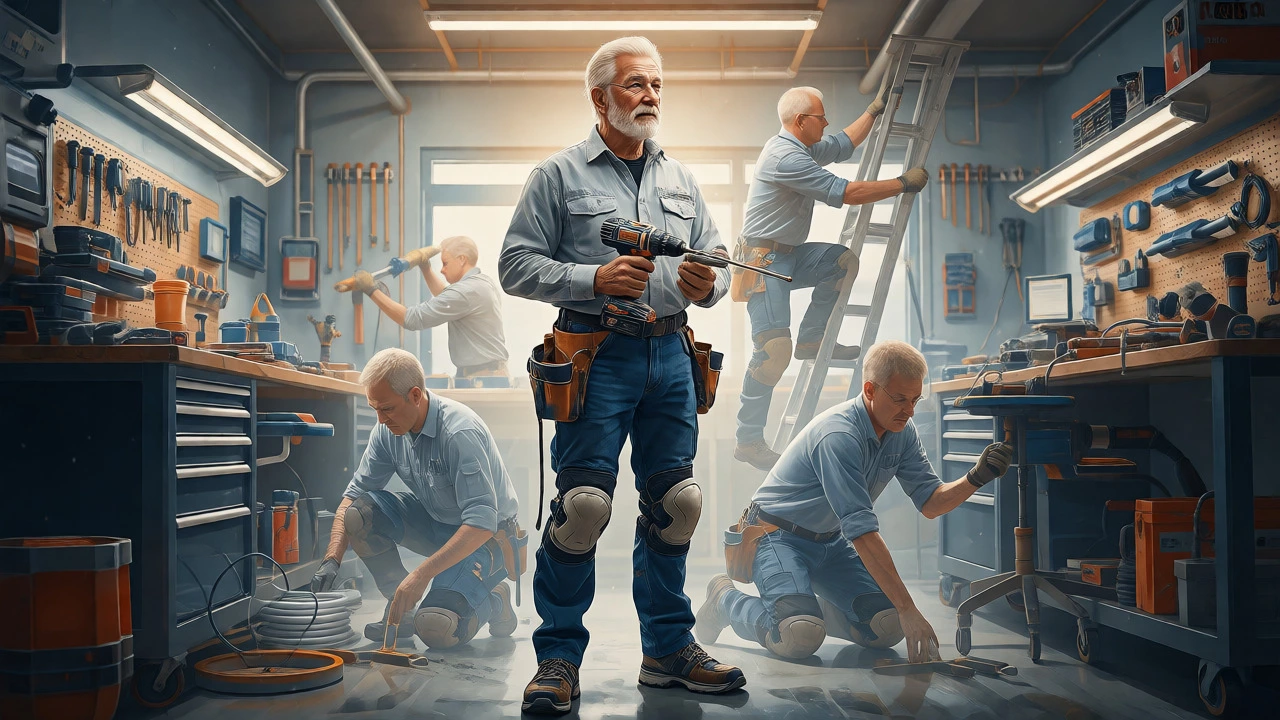
Does the physical toll mean you burn out by fifty? Not necessarily. Many electricians work well into their sixties, especially if they transition into roles that leverage experience over raw strength. After gaining expertise, you might move into project management, estimating, inspection, or teaching. These roles require deep knowledge but less crawling and climbing.
However, staying active helps. Tradespeople who maintain general fitness outside of work tend to have fewer injuries. Cardiovascular health supports recovery. Core strength protects the spine. Flexibility maintains joint mobility. You don't need to become a bodybuilder, but regular activity keeps your tissues resilient.
Consider also the technological shifts. New tools are lighter. Cordless drills are significantly less vibrating than older corded models. LED lighting reduces heat exposure. Smart diagnostic tools reduce the need for invasive probing. Embracing technology can reduce physical burden. Stay updated on new equipment during your continuing education courses.
Mental Resilience Is Part of Physical Endurance
We often separate mind and body, but they are linked. Fatigue leads to mistakes. Mistakes lead to accidents. Accidents lead to injury. Therefore, managing energy levels is a safety issue. Adequate sleep, hydration, and nutrition directly impact your physical performance. Dehydration reduces concentration and increases perceived effort. Eating sugary snacks causes energy crashes mid-shift. Pack protein-rich lunches and water bottles. Fuel your body correctly, and it will endure the day better.
Also, recognize when to speak up. If a task requires two people for safety, insist on it. Don't let pride push you to lift something beyond your capacity. In Ontario, workplace safety regulations emphasize shared responsibility. Reporting hazards or requesting assistance isn't weakness; it's professionalism. Employers respect workers who prioritize sustainable practices because it lowers insurance claims and turnover.
Becoming an electrician is demanding, yes. It challenges your back, shoulders, and knees. It exposes you to noise and vibration. But it doesn't have to break you. With the right preparation, gear, and habits, you can build a long, healthy career. The trade rewards those who treat their bodies with the same care they give to their circuits. Precision matters everywhere.
Do electricians have shorter life expectancies due to physical stress?
Not necessarily. While physical jobs carry higher injury risks, studies show that tradespeople often live longer than sedentary office workers due to higher activity levels. The key is preventing chronic injuries through ergonomics and fitness. Most retirements are voluntary or due to role changes, not disability.
What is the best exercise routine for apprentice electricians?
Focus on core stability (planks, dead bugs), shoulder mobility (band pull-aparts), and leg strength (squats, lunges). Avoid excessive overhead pressing if you already work overhead all day. Prioritize flexibility and recovery over maximum strength gains.
Are knee problems inevitable for electricians?
No, but they are common if ignored. Using high-quality gel kneepads, taking breaks to stand, and strengthening quadriceps and glutes can significantly reduce knee strain. Prevention is far easier than treating bursitis or arthritis later.
How does working in cold climates like Toronto affect electricians?
Cold weather stiffens muscles and joints, increasing injury risk. It also reduces dexterity, making fine motor tasks harder. Layered clothing that allows movement, heated gloves, and thorough warm-up routines are essential for outdoor or unheated site work in winter.
Can I become an electrician if I am not very strong?
Yes. Strength is helpful, but technique and endurance matter more. Modern tools and team lifting protocols reduce the need for brute force. Focus on building functional fitness rather than maximal strength. Many successful electricians are average-sized individuals who master efficient movement.
Leave a comments