
Coursera ROI & Profitability Estimator
For years, the narrative around Coursera was the dominant player in the massive open online course (MOOC) space, often compared to a tech startup burning cash for growth. But as we move through 2026, that story has flipped completely. If you are wondering whether this platform is still hemorrhaging cash or if it has found its footing, the short answer is no-Coursera is not losing money. In fact, it has been profitable for several consecutive quarters.
The confusion likely stems from outdated headlines from 2019-2021 when the company was prioritizing user acquisition over margins. Today, the financial picture is starkly different. The company has shifted from a 'growth at all costs' model to a disciplined focus on sustainable unit economics and high-margin revenue streams like degrees and professional certificates.
The Shift from Burn Rate to Bottom-Line Profit
To understand why people still ask if the company is losing money, we have to look at how its business model evolved. In the early days, offering free courses was a loss leader strategy designed to build a massive user base. The hope was that a small percentage of those users would convert into paying customers for certificates or specializations.
That strategy worked, but it was expensive. Customer acquisition costs (CAC) were high, and churn rates fluctuated. However, starting in 2023, management made a hard pivot. They stopped subsidizing low-value traffic and focused on high-intent learners-people looking for career changes rather than casual hobbyists. This shift drastically improved their gross margins.
By 2024 and continuing into 2026, the company reported consistent net income. They are generating more cash from operations than they spend on running the business. This isn't just about breaking even; it's about generating free cash flow that can be reinvested into better AI tools for learning or expanded partnerships with top-tier universities.
Where Does the Revenue Actually Come From?
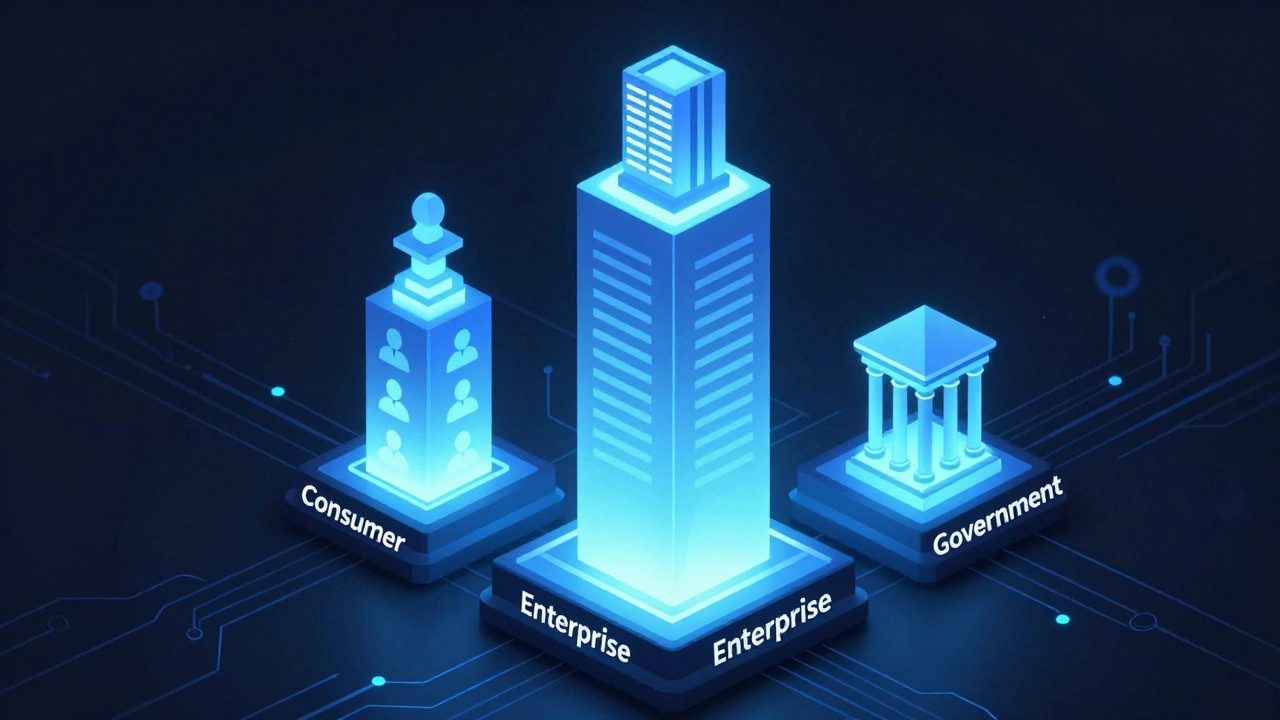
Not all revenue is created equal. To see the health of the business, you need to look at the three main pillars of their income: Consumer, Enterprise, and Government.
| Segment | Description | Profit Margin Profile |
|---|---|---|
| Consumer | Individual subscriptions, certificate fees, and degree programs paid by students. | High. Digital delivery means low marginal cost per additional student. |
| Enterprise | Bulk licenses sold to companies for upskilling their workforce (Coursera for Business). | Very High. Recurring annual contracts reduce sales volatility. |
| Government | Partnerships with state and national governments to provide digital skills to citizens. | Moderate. Longer sales cycles but large volume deals. |
The real game-changer has been the expansion of the Enterprise segment. Companies realized that hiring talent is harder than training existing employees. Instead of spending millions on recruitment agencies, firms now buy bulk access to Coursera’s library. These B2B contracts are sticky-once a company integrates the platform into their HR workflow, they rarely cancel. This provides a predictable revenue floor that protects the company from downturns in individual consumer spending.
The Role of Degrees and Credentials in Profitability
If you think Coursera is just a place for $49/month subscriptions, you are missing the biggest profit driver: Online Degrees and Master’s Programs. When the company partners with institutions like the University of Illinois or Imperial College London, they take a significant cut of the tuition fees.
A single Master’s degree might cost a student $15,000 to $20,000. While the upfront marketing cost to acquire that student is high, the lifetime value (LTV) is enormous. Unlike a $10 certificate that someone buys once and forgets, a degree student pays for two years. Furthermore, these programs have much lower refund rates because the commitment level is higher.
In 2025 and 2026, the focus shifted even further toward 'Professional Certificates' backed by industry giants like Google, Meta, and IBM. These aren't university degrees, but they carry weight in the job market. Because they are shorter (3-6 months) and cheaper ($39-$79/month), the conversion rate is higher. More people buy them, and since the content is pre-recorded, the cost to serve each new buyer is nearly zero. This scalability is what turns a break-even operation into a highly profitable one.
Operating Costs and Efficiency Gains
Profit is simply Revenue minus Expenses. While revenue grew, expenses didn't grow at the same pace. How did they achieve this? By leveraging technology to reduce human overhead.
In the past, grading assignments required human teaching assistants. Now, automated assessment tools handle the bulk of coding quizzes and multiple-choice questions. For essay-based courses, peer-review systems are still used, but AI-assisted feedback tools are reducing the time instructors spend on administration. This means the company doesn't need to hire thousands of new staff members every time enrollment spikes.
Additionally, the company has optimized its server infrastructure. Streaming video is expensive. By improving compression algorithms and using edge computing more effectively, the bandwidth costs per hour of watched content have dropped significantly. These technical efficiencies directly boost the bottom line without affecting the user experience.
Market Challenges and Risks
Even though the company is profitable, it isn't without risks. The landscape of free skill training is crowded. Competitors like edX, Udacity, and even YouTube offer alternatives. If competitors drop prices aggressively, it could pressure Coursera’s margins.
There is also the issue of credential inflation. As more people earn certificates, employers may start valuing them less. If a Google Data Analytics Certificate becomes as common as a high school diploma, its power to get you hired diminishes. To combat this, the company is constantly updating curricula to match current job requirements. In 2026, there is a heavy emphasis on AI literacy, cybersecurity, and cloud computing-skills that are in short supply. By staying relevant, they keep the demand for their credentials high.
Another risk is regulatory. Governments are increasingly scrutinizing online education providers, especially regarding accreditation and consumer protection. A change in policy in a major market like the US or India could impact their ability to sell degrees or require costly compliance updates. However, so far, their partnerships with accredited universities have shielded them from most direct regulatory hits.

What This Means for Learners
If you are a learner, the profitability of the platform is actually good news for you. A financially healthy company invests more in quality control. You are less likely to find broken videos or outdated content. You are more likely to see features that help you learn faster, such as personalized learning paths powered by machine learning.
However, expect fewer 'free forever' promotions. The era of giving away premium content for free to gain market share is over. The company needs to maintain its margins. That said, financial aid options remain robust for those who qualify, ensuring that the barrier to entry isn't purely monetary for everyone.
Future Outlook: Growth vs. Stability
Looking ahead to late 2026 and beyond, the strategy is clear: stabilize the core consumer business while aggressively growing the enterprise side. We are seeing more integration with LinkedIn Learning and other professional networks, making it easier for professionals to showcase their new skills directly to recruiters.
The introduction of AI tutors is another frontier. Imagine having a personal tutor available 24/7 that can explain complex concepts from your specific course material. This feature, currently in beta, could become a major upsell opportunity. It adds value for the user and creates a new revenue stream with minimal incremental cost.
Ultimately, the question 'Is Coursera losing money?' belongs to the history books. The company has matured from a risky startup into a stable, profitable educational technology giant. It serves as a case study in how digital platforms can scale efficiently when they align their product offerings with genuine economic outcomes for their users.
When did Coursera become profitable?
Coursera achieved its first profitable quarter in 2023 and has maintained profitability through 2026. The shift was driven by a focus on high-margin products like degrees and enterprise licenses, rather than just low-cost consumer subscriptions.
Why was Coursera losing money in the past?
In its early years (pre-2022), the company spent heavily on customer acquisition and content creation to build its brand and user base. This 'growth at all costs' approach resulted in operating losses until the business model matured and recurring revenues stabilized.
Does Coursera still offer free courses?
Yes, many courses can still be audited for free. However, access to graded assignments, certificates, and specialized projects usually requires a subscription or one-time payment. The company relies on these paid conversions to sustain its profitability.
Is Coursera a safe investment for stocks?
While I cannot provide financial advice, Coursera's transition to profitability makes it a more stable entity than in previous years. Investors should look at its enterprise growth rate and retention metrics to gauge future potential, keeping in mind the competitive nature of the ed-tech sector.
How does Coursera make money from enterprises?
Coursera sells bulk licenses to companies under 'Coursera for Business.' Organizations pay an annual fee to give their employees unlimited access to the course catalog. This allows companies to upskill their workforce efficiently, providing Coursera with predictable, high-margin recurring revenue.
Leave a comments