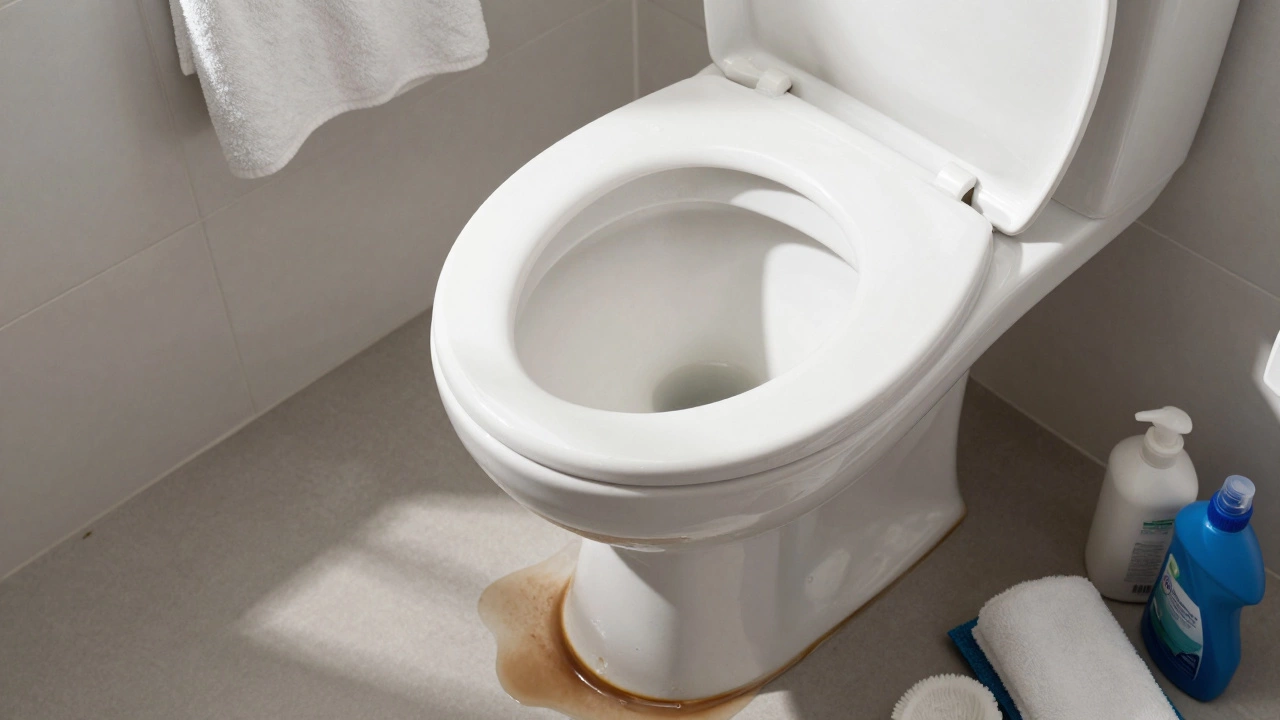
When your toilet starts backing up or gurgling like a swamp monster, your first thought might be: clean the toilet before the plumber comes. It feels like the right thing to do-like you’re helping, or at least not making things worse. But here’s the truth: cleaning the toilet before the plumber arrives won’t fix the problem. In fact, it might even slow things down.
Why Cleaning the Toilet Won’t Help the Plumber
Plumbers don’t show up to clean your bathroom. They show up to fix what’s broken inside the pipes. That means they need to see the problem exactly as it is-dirty, messy, and real. If you scrub the bowl, flush everything away, or spray disinfectant everywhere, you’re erasing the clues they need to diagnose the issue.Think of it like taking your car to a mechanic. Would you wash the engine before they open the hood? Probably not. You’d want them to see the oil leaks, the smoke, the weird noises. Same with plumbing. A dark, slow-moving puddle around the base of the toilet? That’s a sign of a leaking wax ring. Brown stains inside the bowl? Could be mineral buildup from a failing fill valve. A gurgling sound when you flush? That’s air trying to escape through a blocked vent pipe. All of these are diagnostic clues. Clean them away, and you’re making their job harder.
What Plumbers Actually Look For
A trained plumber doesn’t care if your toilet looks like a showroom. They care about three things: water flow, pipe pressure, and signs of damage. Here’s what they’re watching for when they arrive:- Water level in the bowl-is it too high, too low, or fluctuating?
- How fast does water drain after a flush? Slow drainage = partial clog.
- Is there water pooling on the floor? That points to a broken seal or cracked tank.
- Any unusual smells? Sewer gas escaping means a vent or trap issue.
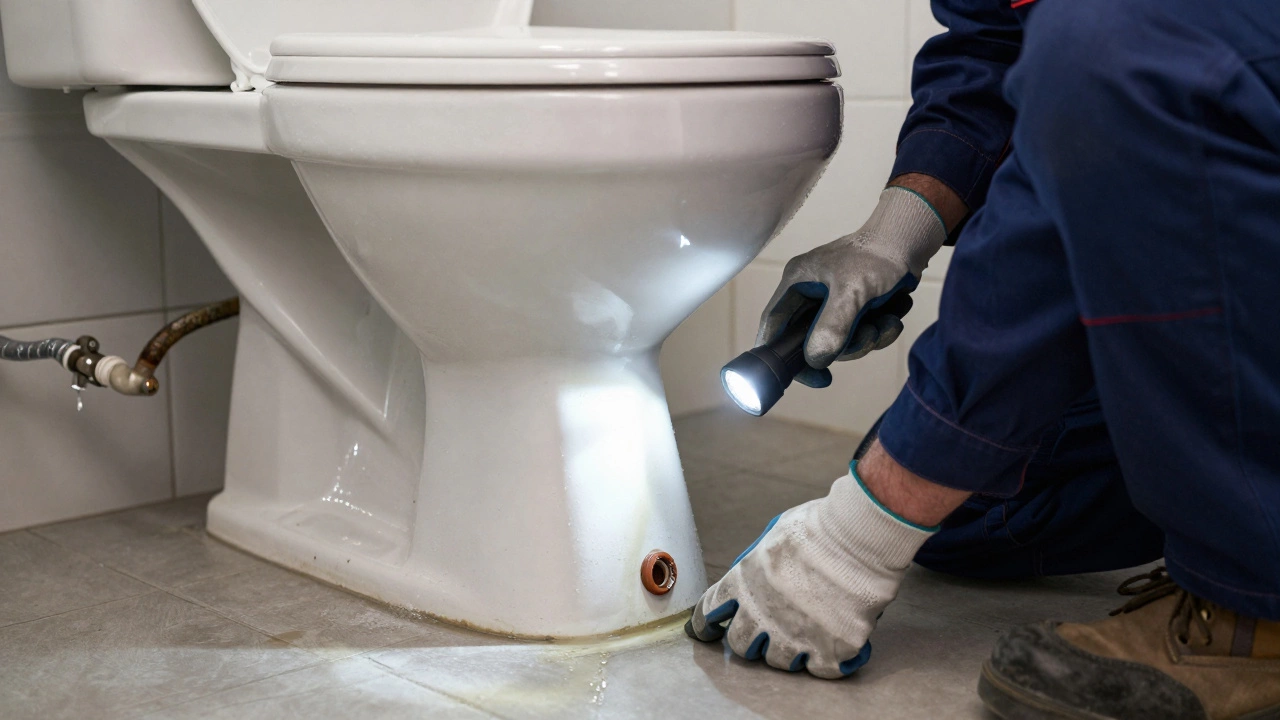
- Are the supply lines leaking? Corrosion or drips tell them the age and condition of the system.
These details are invisible after you scrub and flush. A plumber who’s been on the job for ten years can tell you the age of your pipes just by looking at the corrosion on the supply line. They can guess whether the clog is in the trap or deeper in the main line by how the water behaves. But only if they can see it.
What You Should Do Instead
You don’t need to clean the toilet. But you do need to prepare. Here’s what actually helps:- Don’t flush again. Every extra flush pushes more waste into a clogged system. That can make the overflow worse.
- Keep the area clear. Move towels, rugs, cleaning supplies, or baskets out of the way. Give the plumber room to work. A cluttered bathroom slows them down.
- Turn off the water. Find the shut-off valve behind the toilet and turn it clockwise. If you’re not sure where it is, leave it on-but warn the plumber so they don’t get sprayed.
- Write down what happened. When did the problem start? Did it happen after flushing wipes? After a big family gathering? Did it happen suddenly or slowly? This info is gold.
- Keep pets and kids away. Plumbing work can be messy. A curious dog or toddler can get in the way-or worse, touch something dangerous.
These steps don’t make your bathroom look nice. But they make the plumber’s job faster, safer, and cheaper. Time is money-and plumbers charge by the hour.
When Cleaning Might Actually Help
There’s one exception: if you’re dealing with a minor clog that you’ve already tried to fix with a plunger. If the water has drained enough that the bowl is mostly clear, a quick wipe-down won’t hurt. But don’t go overboard. Don’t pour bleach. Don’t use chemical drain cleaners. Those can damage pipes, especially if you have older cast iron or PVC. And they’ll confuse the plumber if they’re trying to figure out what’s really going on inside.Also, if you’ve had a sewer backup-meaning raw sewage came up into the tub or floor-then yes, cleaning is necessary. But not before the plumber arrives. Wait until they’ve assessed the damage and given you instructions. Sewage cleanup requires special equipment and safety gear. You don’t want to risk exposure or make the contamination worse.
What Plumbers Wish Homeowners Knew
I’ve talked to dozens of plumbers across Toronto, and the same thing comes up every time: homeowners try too hard to help. They clean. They hide the mess. They apologize for the state of the bathroom. It’s polite. It’s human. But it’s not helpful.One plumber told me about a call where the homeowner had scrubbed the bowl so hard that the porcelain was scratched. The real issue? A cracked trap underneath. The plumber had to remove the whole toilet to fix it. The clean bowl? Totally useless. The scratch? Cost extra to repair.
Another one said he once had a customer who used five different drain cleaners over three days. When he arrived, the pipes were glowing green from chemical reactions. He had to flush the system for 20 minutes before he could even start diagnosing the clog.
Plumbers aren’t judging your house. They’ve seen everything-from diapers flushed down the toilet to entire toys stuck in the drain. They’ve dealt with sewage floods, broken septic tanks, and pipes full of tree roots. They’re not surprised. They’re not disgusted. They’re just trying to fix it.
What You Can Learn from This
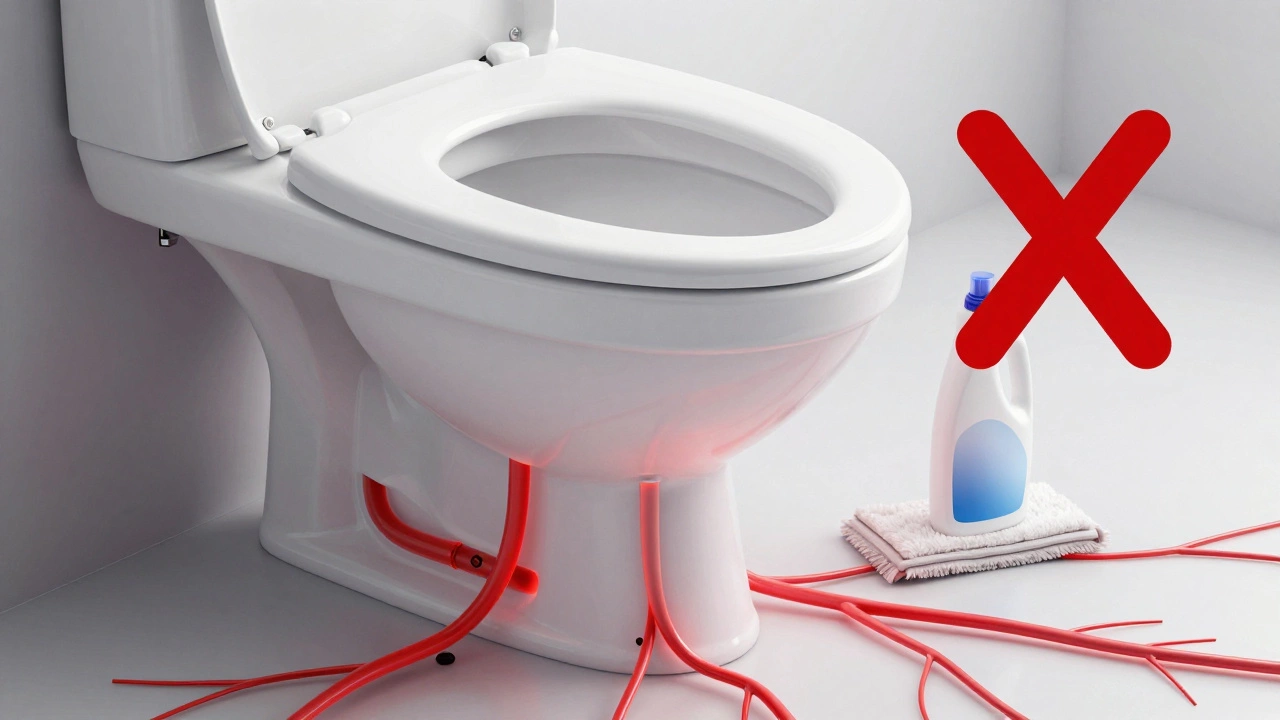
If you’re thinking about getting into plumbing as a career, this moment-when someone panics and cleans the toilet-is a perfect example of why training matters. Plumbers aren’t just pipe fixers. They’re problem solvers with a deep understanding of how systems work. They know that water flows in one direction, that pressure builds in unexpected places, and that appearance rarely tells the whole story.That’s why plumber training programs spend so much time on diagnostics. You don’t learn how to use a snake or a drain auger until you learn how to read the signs. A slow flush isn’t just “a clog.” It’s a symptom. And symptoms point to causes. That’s the difference between someone who can fix a toilet and someone who can fix plumbing systems.
Even if you’re not planning to become a plumber, understanding this helps you make better decisions. Next time your toilet acts up, don’t reach for the cleaner. Reach for the shut-off valve. Write down what happened. Call a professional. And let them do their job.
Final Answer: Should You Clean the Toilet Before the Plumber Comes?
No. Don’t clean the toilet before the plumber comes. It doesn’t help. It might hurt. Instead, focus on preparing the space, turning off the water, and giving the plumber clear information. Let them see the problem as it is. That’s the fastest, safest, and cheapest way to get it fixed.Plumbers don’t need a sparkling bowl. They need a working system. And they know exactly how to get there-without you scrubbing away the evidence.
Should I flush the toilet one last time before the plumber arrives?
No. Flushing again adds more water to an already overwhelmed system. If there’s a clog, extra flushing can cause overflow or push debris deeper into the pipes. Stop flushing immediately and wait for the plumber.
Can I use a plunger before calling a plumber?
Yes, but only once or twice. A few firm plunges might clear a minor blockage. If it doesn’t work after two tries, stop. Keep trying can force the clog deeper or damage the seal. Let the plumber handle it with the right tools.
What if I already cleaned the toilet? Will the plumber still be able to fix it?
Yes, they can still fix it. But they’ll have to spend more time figuring out what caused the issue. They might need to use a camera to inspect the pipes, which adds to the cost. It’s not a disaster, but it’s a delay.
Do plumbers charge more if the bathroom is dirty?
No, plumbers don’t charge extra for mess. But if the area is cluttered, it takes longer to work. Time = money. A clean workspace helps them work faster, which means lower labor costs for you.
What should I do if sewage is coming out of the toilet?
Stop using all drains in the house. Turn off the main water supply. Evacuate the room. Call a plumber immediately. Do not attempt to clean it yourself. Sewage contains harmful bacteria and requires professional cleanup with PPE and disinfectants.
Leave a comments