Fashion Design Course: Learn to Build a Career in Clothing and Style
When you think about a fashion design course, a structured program that teaches how to create clothing, accessories, and textiles using sketching, pattern-making, and sewing skills. Also known as fashion styling or garment design training, it's not just about drawing pretty dresses—it’s about understanding fabrics, body shapes, market trends, and how to turn ideas into wearable products that people actually buy. In India, this field is growing fast, with designers launching brands online, working with local artisans, or joining big retail labels. You don’t need a degree from a fancy school to start—you just need the right skills, a portfolio, and the drive to keep learning.
A fashion design course, a structured program that teaches how to create clothing, accessories, and textiles using sketching, pattern-making, and sewing skills. Also known as fashion styling or garment design training, it's not just about drawing pretty dresses—it’s about understanding fabrics, body shapes, market trends, and how to turn ideas into wearable products that people actually buy. covers more than just sewing. You’ll learn how to pick fabrics that drape well, how to measure bodies accurately, how to use digital tools like Adobe Illustrator for sketches, and how to read global trends before they hit local markets. Many courses also include modules on textile design, the art of creating patterns and prints for fabrics, often using digital printing or hand-block techniques common in Indian craft traditions, which is a huge part of what makes Indian fashion unique. You’ll also learn how to manage costs, build a collection on a budget, and present your work to buyers or clients—skills that aren’t taught in art school but are critical if you want to make money from your designs.
Some people think fashion design is only for those who can sketch beautifully. That’s not true. Many successful designers started with zero drawing skills and learned to communicate their ideas through mood boards, samples, or even 3D software. What matters most is your eye for detail, your ability to solve problems—like how to make a dress fit better or how to reuse leftover fabric—and your willingness to keep trying after your first few designs don’t turn out right. The best fashion design courses in India focus on hands-on projects, not theory. You’ll cut fabric, stitch garments, and build a real collection by the end—not just sit through lectures.
Whether you want to work for a brand, start your own label, or even sell handmade pieces on Instagram, a solid fashion design course gives you the foundation. You’ll learn how to use sewing machines, how to read patterns, how to price your work fairly, and how to talk to customers. You’ll also get exposure to real industry tools and practices used by designers across Mumbai, Delhi, and small towns alike. The jobs aren’t just in big cities—there’s growing demand in tier-2 towns for custom wear, wedding outfits, and sustainable fashion.
Below, you’ll find real guides from students and professionals who’ve walked this path. Some learned from free online tutorials. Others completed short-term diplomas and landed jobs within months. You’ll see what skills actually matter, how to build a portfolio with no experience, and where to find the best training without breaking the bank. This isn’t about fame or runway shows—it’s about building a practical, sustainable career in fashion, one stitch at a time.
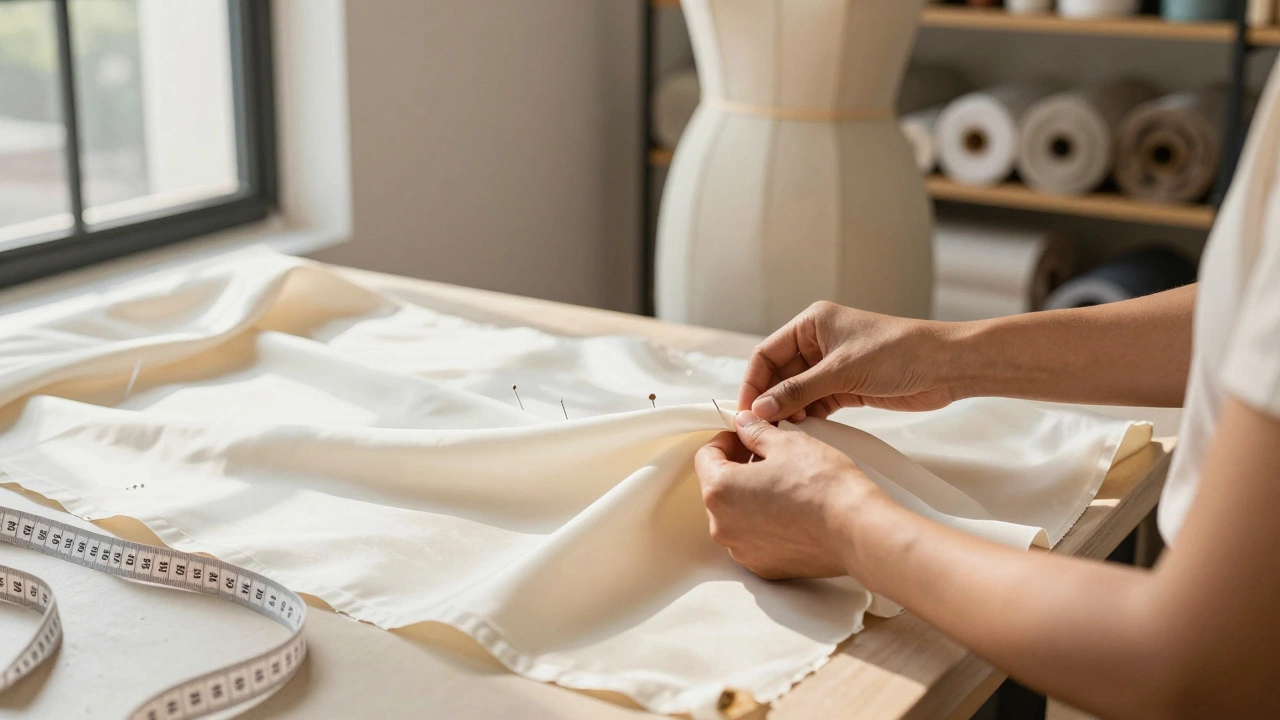
How to Become a Fashion Designer: A Practical Roadmap for 2026
A practical roadmap to becoming a fashion designer in 2026. Covers essential skills, education paths, software tools, and portfolio tips for aspiring creatives.
Details +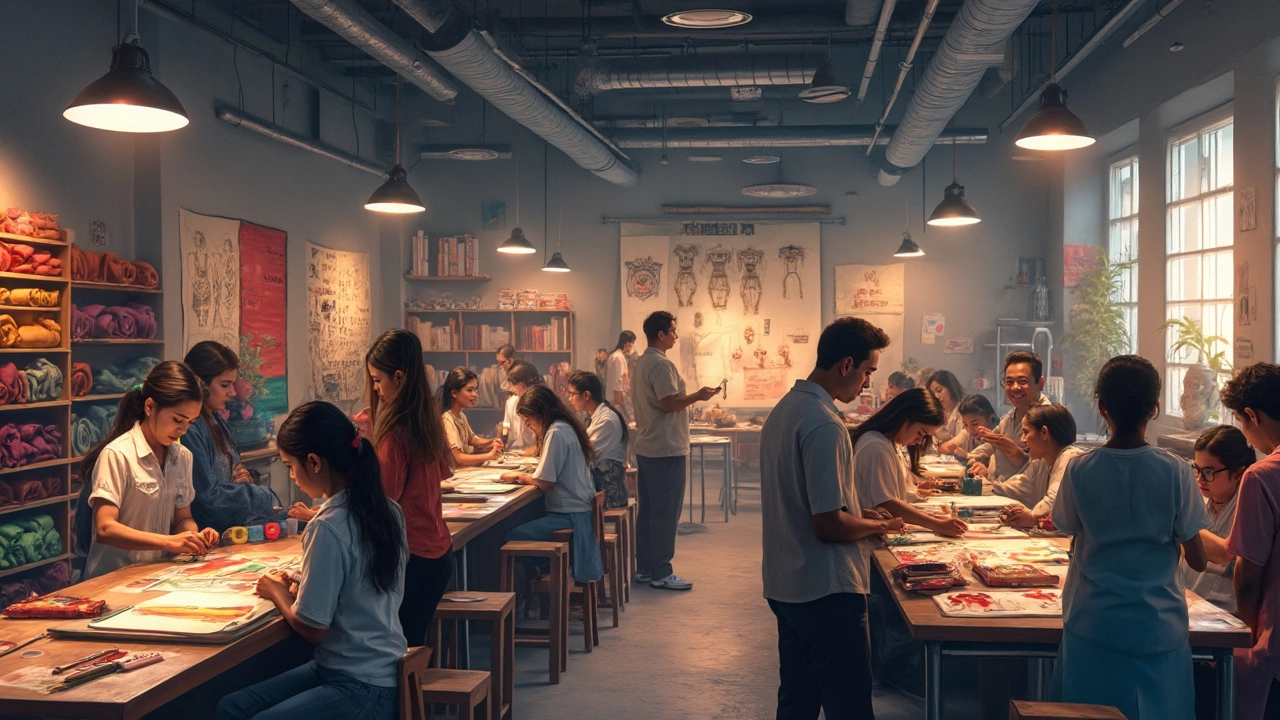
Best Courses for Fashion Design: Your Path to Style Success
Choosing the right course for fashion design can set the foundation for your future in the fashion industry. From foundational programs to specialized courses catering to specific interests like sustainability or digital fashion, there's something for everyone. Key factors include understanding the curriculum, assessing the industry partnerships, and considering the balance between creativity and technical skills. Often, successful designers choose courses that offer both hands-on experience and opportunity to network with industry professionals.
Details +