Female Electrician: Training, Pay, and Paths to Success in India
When you think of an electrician, a skilled professional who installs, maintains, and repairs electrical systems in homes and businesses. Also known as wireman, it’s a job that keeps the lights on—and pays well, no matter who’s doing it. But for women, stepping into this field still feels unusual to many. That’s changing fast. More women in India are training as female electricians, not because it’s trendy, but because it’s one of the few skilled trades that pays well, offers job security, and doesn’t require a four-year degree.
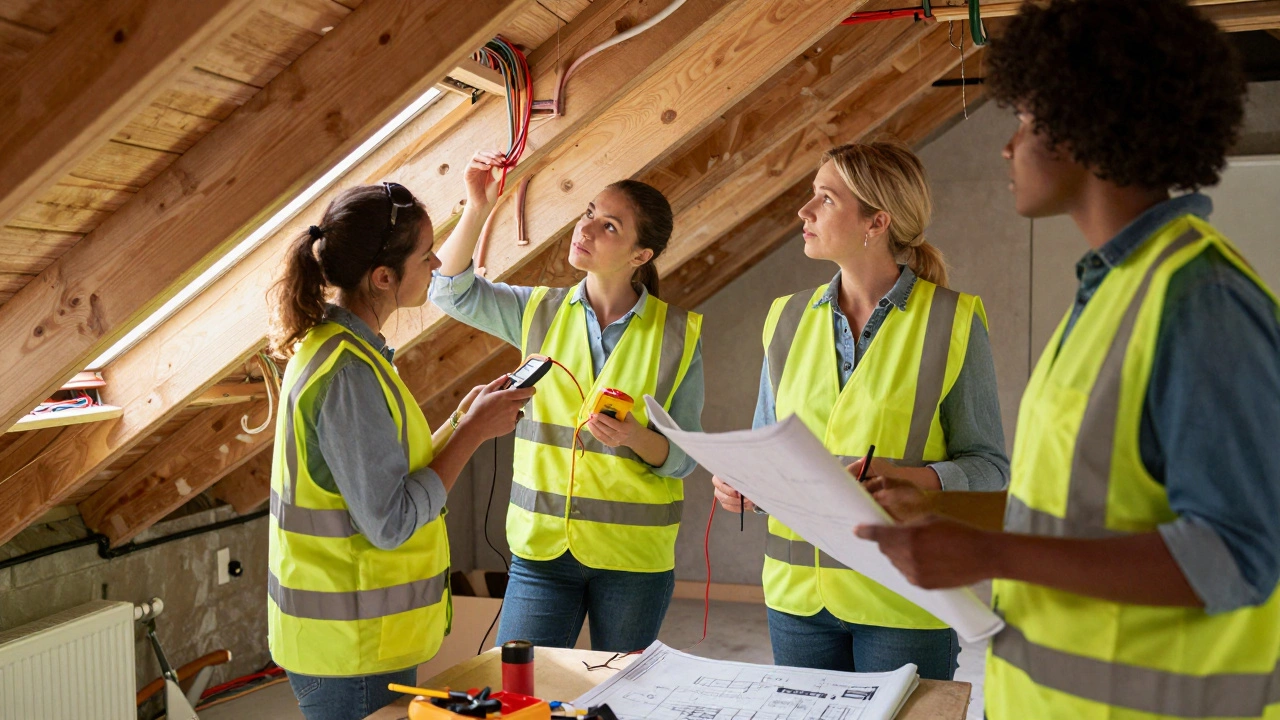
Being a female electrician, a woman trained to handle electrical systems in residential, commercial, or industrial settings means learning how to read blueprints, follow safety codes, use multimeters, and work with live wires—all while proving your skills on the job. It’s not about strength; it’s about precision. Tools do the heavy lifting. The real work is in problem-solving: why did the circuit trip? Where’s the short? What’s the safest way to fix it? These are the same questions every electrician answers, whether they’re a man or a woman. And in India, the demand is rising. With new housing projects, solar installations, and smart home tech, skilled electricians are in short supply—and that’s good news for anyone willing to learn.
Training is straightforward. Most women start with a diploma course, a short-term, hands-on vocational program that teaches practical electrical skills after 10th or 12th grade. These courses last 6 months to 2 years and cost far less than a college degree. Many programs even offer apprenticeships, where you learn by working alongside licensed electricians. You don’t need to be great at math—just careful. Most calculations are handled by apps or pre-made charts. What you do need is patience, attention to detail, and the confidence to show up, do the work, and earn respect.
Salaries for electricians in India vary by city and experience, but entry-level female electricians can earn ₹15,000–₹25,000 a month. With a few years of experience and certifications, that jumps to ₹40,000 or more. Some women even start their own small businesses, fixing homes in their neighborhoods or working with contractors on larger projects. There’s no ceiling if you’re good at what you do.
This isn’t just about breaking stereotypes. It’s about building a future where your skills—not your gender—determine your pay and opportunities. The posts below cover everything you need to know: how to get trained, what the job really involves, how much you can earn, and why more women are choosing this path. Whether you’re curious, considering a switch, or ready to start, you’ll find real advice here—not theory, not fluff, just what works.
Best Trades for Women to Learn in 2025
Discover the best trades for women to learn in 2025-electrician, HVAC, plumbing, welding, and solar installation. High pay, low debt, and growing demand make skilled trades a smart career path.
Details +