India trade partners: Key countries and skills that drive India's global trade
When we talk about India trade partners, the countries India buys from and sells to most frequently, including the U.S., China, UAE, Saudi Arabia, and Germany. Also known as India’s top trading nations, these relationships shape everything from job demand to skill needs across industries. India doesn’t just export textiles or software—it ships machinery, pharmaceuticals, gems, and electronics. And behind every export is someone trained to make it, pack it, ship it, or sell it.
That’s where vocational training, hands-on skill programs that prepare people for specific jobs without a college degree. Also known as trade courses, it’s the hidden engine of India’s export economy. Think electricians wiring solar panels for exports to Germany, plumbers installing systems in Middle Eastern construction projects, or digital marketers managing Amazon listings for U.S. buyers. These aren’t side gigs—they’re full-time, high-paying roles tied directly to India’s trade networks.
Want to work in a trade that’s in demand because of India’s global deals? Look at the data. The U.S. is India’s largest trading partner, and companies there need people who understand both tech and logistics. The UAE imports tons of Indian spices, textiles, and machinery—so workers who know quality control, packaging standards, or shipping regulations are golden. China buys Indian raw materials but also competes in tech; that’s why skills in AI automation, cloud tools, and coding are rising fast in India’s export hubs.
You don’t need a degree to be part of this. A diploma in electrical work, a short course in digital marketing, or certification in warehouse logistics can put you in front of employers who are hiring right now to meet export targets. Many of these jobs pay more than entry-level office roles, and they don’t disappear when the economy slows—they’re tied to real goods moving across borders.
And here’s the thing: India’s trade partners aren’t static. New deals with Australia, Brazil, and the EU are opening fresh paths. That means new skills will be needed—like understanding international safety codes, export documentation, or cross-cultural communication. The people who succeed aren’t the ones with the fanciest degrees. They’re the ones who learned how to fix, code, sell, or manage something that the world actually wants.
Below, you’ll find real stories from people who built careers around these trade-driven skills—no MBA, no campus recruitment, just hard-won expertise and the right training. Whether you’re wondering how to break into tech exports, what trades are growing because of UAE contracts, or whether a diploma can get you hired by a global supplier, the posts here give you the straight facts.
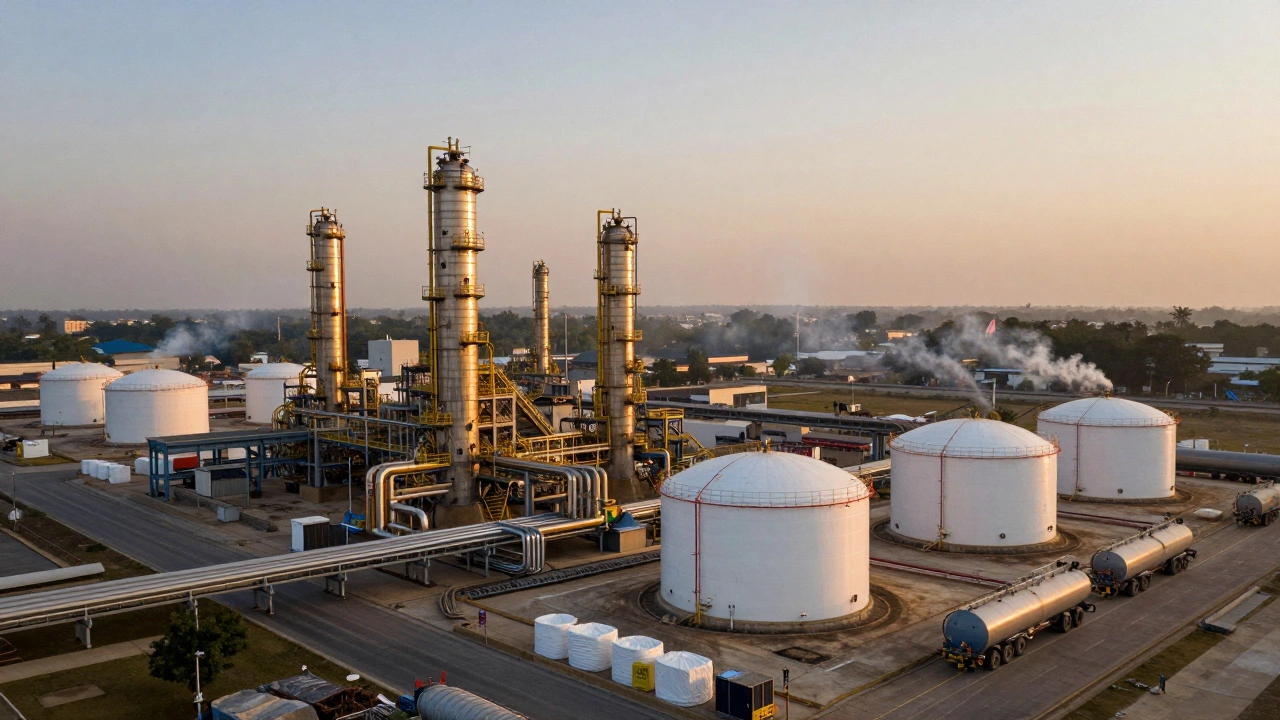
What Does India Mainly Trade? Key Exports and Imports Explained
India mainly trades refined petroleum, gemstones, textiles, and pharmaceuticals. It imports crude oil, gold, and electronics. Understanding India's trade flows is key for anyone considering trade courses in the country.
Details +