
Life Skills Proficiency & Course Match Finder
Answer the following questions honestly to identify your strongest areas and where you might need targeted training. Your answers will generate a personalized learning profile.
1. Communication Skills
How comfortable are you with active listening, giving feedback, and public speaking?
2. Critical Thinking & Problem Solving
How well do you analyze complex data, identify biases, and make sound decisions?
3. Emotional Intelligence (EQ)
How well do you manage your own emotions and understand those of others?
4. Financial Literacy
How confident are you in managing budgets, investments, and long-term wealth building?
5. Time Management & Productivity
How effectively do you prioritize tasks and maintain focus in a distracted world?
Recommended Focus Areas
Suggested Course Format
Imagine walking into a job interview with perfect technical qualifications but freezing up when asked to handle a conflict or manage your time under pressure. That gap is exactly what Life Skills are designed to fill. Unlike traditional academic subjects, life skills focus on the practical abilities you need to navigate daily challenges, from managing finances to communicating effectively in a team. These aren't just "nice-to-have" extras; they are the operational tools that determine whether you thrive or merely survive in modern work and personal environments.
Life skills courses are structured educational programs that teach essential competencies like critical thinking, emotional intelligence, financial literacy, and effective communication. They bridge the divide between knowing *what* to do and actually *doing* it well. Whether you're a recent graduate feeling unprepared for the corporate world or a mid-career professional looking to boost leadership capabilities, these courses provide the missing link in your professional toolkit.
Why Traditional Education Often Falls Short
Most school systems prioritize rote learning and theoretical knowledge. You memorize formulas, historical dates, and scientific principles. But how often does your high school curriculum teach you how to negotiate a salary, resolve a dispute with a neighbor, or budget for an unexpected medical bill? Rarely. This creates a significant skill gap that employers increasingly notice.
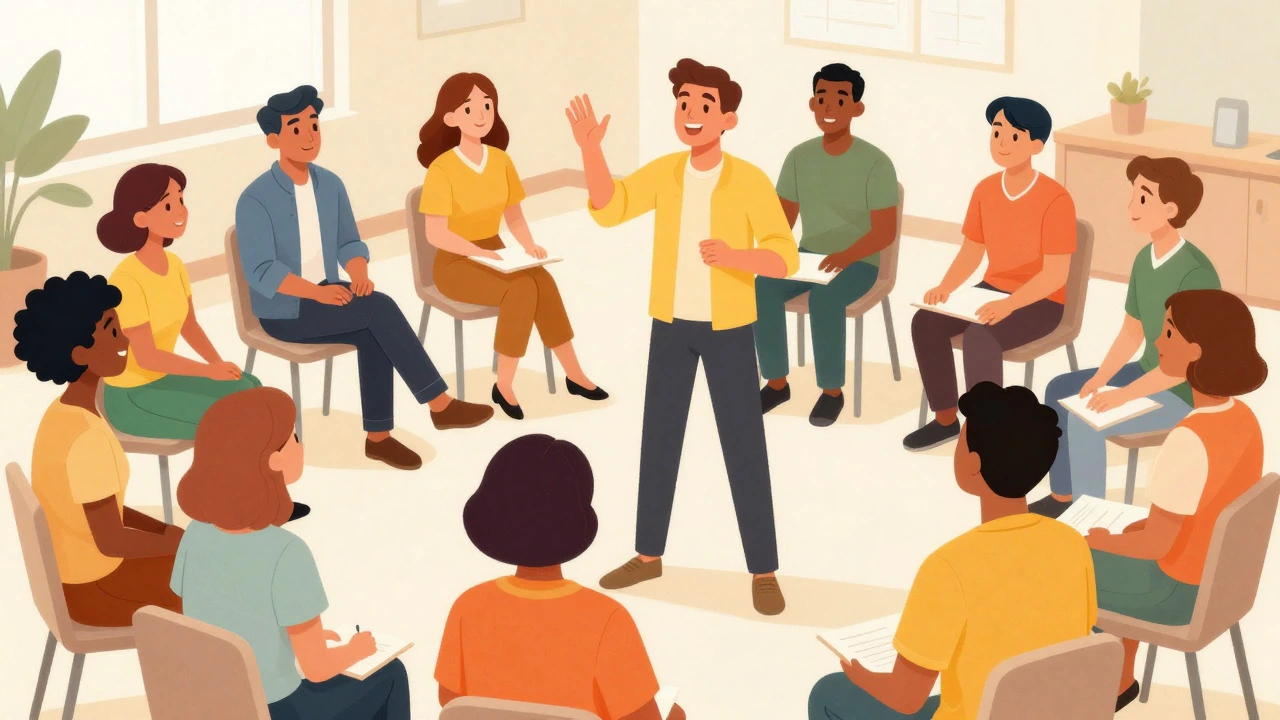
According to data from the World Economic Forum, soft skills are now among the top three most important competencies for the future of work. Employers report that hiring someone with strong technical skills but poor interpersonal abilities is a common regret. Life skills courses address this by focusing on behavioral change rather than just information transfer. They use role-playing, case studies, and real-world simulations to build muscle memory for social and professional situations.
The Core Components of Life Skills Training
Not all life skills courses are created equal. While some focus narrowly on one area, comprehensive programs typically cover several key domains. Understanding these components helps you identify which courses align with your specific needs.
- Communication Skills: This goes beyond speaking clearly. It includes active listening, public speaking, non-verbal cues, and cross-cultural communication. For example, learning how to give constructive feedback without demotivating a colleague is a core part of this module.
- Critical Thinking & Problem Solving: The ability to analyze information objectively, identify biases, and make sound decisions. This is crucial in fast-paced industries where data overload is common.
- Emotional Intelligence (EQ): Recognizing and managing your own emotions while understanding those of others. High EQ is strongly correlated with leadership success and workplace satisfaction.
- Financial Literacy: Managing personal budgets, understanding investment basics, tax implications, and long-term wealth building. Many adults never learn this in school, leading to debt traps later in life.
- Time Management & Productivity: Techniques like the Pomodoro method, Eisenhower Matrix, and digital detox strategies to maintain focus in a distracted world.
Who Needs Life Skills Courses?
You might think these courses are only for students, but the audience is much broader. Here’s who benefits most:
- Recent Graduates: They often have degrees but lack the "workplace readiness" that employers demand. A short course in professional etiquette or email communication can accelerate their onboarding.
- Mid-Career Professionals: Those moving into management roles often struggle with delegation and conflict resolution. Leadership-focused life skills modules help them transition from individual contributors to team leaders.
- Entrepreneurs: Running a business requires wearing many hats. Skills in negotiation, basic accounting, and stress management are vital for survival in the early stages.
- Adults Re-entering the Workforce: After a career break, updating soft skills and adapting to new workplace norms is easier with guided practice.
How to Choose the Right Course
With so many options available online and offline, picking the right program can be overwhelming. Don’t just look at the title; dig deeper into the curriculum and delivery method.
| Format | Best For | Duration | Cost Range | Key Advantage |
|---|---|---|---|---|
| Online Self-Paced | Budget-conscious learners | 4-8 weeks | $50 - $200 | Flexibility to fit around work |
| Live Virtual Workshops | Team building | 1-3 days | $300 - $800 | Real-time interaction and networking |
| In-Person Bootcamps | Deep immersion | 1-2 weeks | $1,000+ | High accountability and immediate feedback |
| Corporate Training Programs | Employer-sponsored upskilling | Ongoing | Varies | Tailored to company culture and goals |
When evaluating a provider, check for accreditation or industry recognition. While not always mandatory for soft skills, certifications from reputable bodies add weight to your resume. Also, look for instructor credentials. Do they have real-world experience in the field they are teaching? A professor who has never managed a team may struggle to teach practical leadership scenarios compared to a former executive.
Measuring Success: Beyond the Certificate
Getting a certificate is a nice milestone, but it doesn’t guarantee behavior change. The true value of a life skills course lies in application. How do you measure if the course worked? Look for tangible shifts in your daily interactions.
For instance, if you took a conflict resolution course, track how many times you successfully de-escalated a tense situation at work over the next month. If you learned financial planning, did you create a budget and stick to it for three consecutive months? These micro-wins are the real indicators of success. Many providers offer post-course coaching or community groups to support this transition phase. Take advantage of them. Isolation is the enemy of habit formation.

Common Pitfalls to Avoid
Even with the best intentions, people often fail to benefit from these courses due to a few common mistakes.
- Passive Consumption: Watching videos without taking notes or practicing exercises is like reading about swimming instead of getting in the pool. Engage actively.
- One-and-Done Mentality: Soft skills require repetition. Treat the course as a starting point, not a finish line. Schedule regular self-assessments.
- Ignoring Context: What works in a small startup may not apply in a large corporation. Tailor your application of skills to your specific environment.
The Future of Life Skills Education
As automation handles more routine tasks, the uniquely human skills become more valuable. Empathy, creativity, and complex problem-solving are harder to automate than data entry. This trend is driving a surge in demand for life skills training. Companies are investing more heavily in employee development because they realize that technical skills can be taught quickly, but cultural fit and interpersonal dynamics take years to build.
For individuals, this means that investing in life skills is no longer optional-it’s a strategic career move. In a Toronto-based context, for example, the competitive job market demands candidates who can not only perform their technical duties but also collaborate seamlessly in diverse teams. Life skills courses provide the framework to do exactly that.
Are life skills courses worth the money?
Yes, especially if you choose a program with practical application components. The return on investment comes from improved job performance, higher earning potential through better negotiation, and reduced workplace stress. Even a modest improvement in communication skills can lead to faster promotions or fewer costly misunderstandings.
Do I need a degree to take a life skills course?
No. Most life skills courses are open to anyone regardless of educational background. They are designed for lifelong learners, including high school graduates, college students, and working professionals. The focus is on personal growth, not academic prerequisites.
How long does it take to see results from life skills training?
You can start noticing small changes within two to four weeks of consistent practice. However, deep behavioral change typically takes three to six months. Consistency is key. The more you apply the skills in real-life scenarios, the faster they become second nature.
Can life skills courses help with mental health?
Indirectly, yes. Many life skills modules include stress management, mindfulness, and emotional regulation techniques. By improving your ability to handle pressure and communicate needs, you reduce anxiety and burnout risk. However, they are not a replacement for therapy for clinical conditions.
What is the difference between soft skills and life skills?
Soft skills are a subset of life skills. Soft skills specifically refer to interpersonal abilities used in professional settings, like teamwork and communication. Life skills is a broader term that includes soft skills plus personal management areas like financial literacy, health habits, and decision-making outside of work.
Leave a comments