Vocational Salary Calculator
Calculate Your Potential Salary
Estimate earnings based on your vocational trade choice and experience level
Estimated Annual Salary
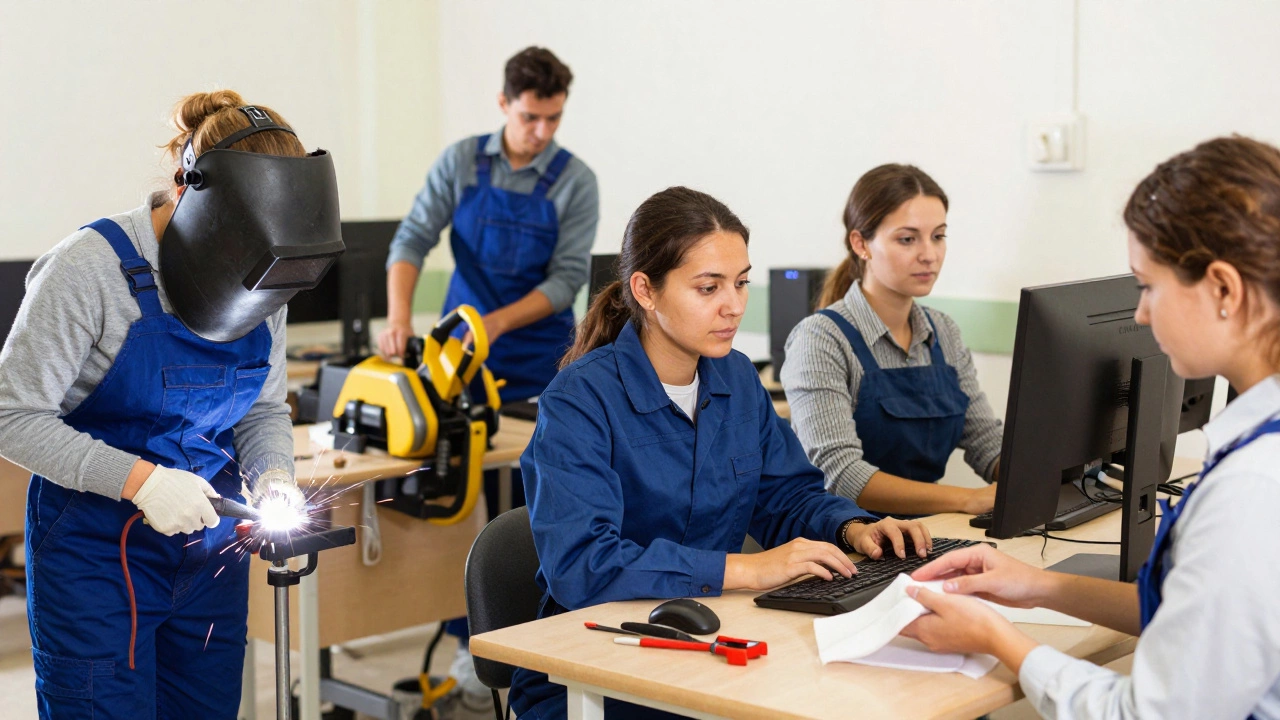
Think of vocational training as learning a trade by doing it-not just reading about it. It’s hands-on, practical, and built around real jobs. Unlike college degrees that focus on theory, vocational training gets you ready to work in a specific field within months, not years. For women, this path opens doors to well-paying, stable careers in fields that were once seen as male-only. And it’s not just about fixing pipes or wiring outlets. Today’s vocational training covers everything from cybersecurity to cosmetology, and it’s changing how women build careers.
What Exactly Is Vocational Training?
Vocational training is skill-based education that prepares people for specific jobs. It’s offered through community colleges, technical schools, apprenticeships, and even online platforms. The goal? Get you hired. You learn how to use tools, follow safety rules, complete tasks efficiently, and meet industry standards. There’s no need to take five years of general classes. You focus only on what matters for your job.
Programs usually last between 3 months and 2 years. Many include paid internships or on-the-job training. Some even lead to certifications recognized by employers across the country. Unlike traditional education, there’s little to no debt. Most programs cost under $5,000-and some are free through government grants.
Why Vocational Training Works for Women
For decades, women were steered toward nursing, teaching, or administrative roles. But that’s changing fast. More women are entering skilled trades, tech, and manufacturing-not because they have to, but because they want to. And they’re succeeding.
Here’s the truth: many of these jobs pay more than entry-level office jobs. A certified electrician in Ontario earns an average of $75,000 a year. A skilled welder can make over $80,000. And those numbers don’t include overtime or union benefits. Plus, these jobs rarely get automated. You can’t replace a plumber with a robot.
Organizations like Women in Trades a Canadian nonprofit that supports women entering skilled trades through mentorship, funding, and job placement have made it easier than ever to start. They offer childcare support, flexible schedules, and peer networks so women don’t have to go it alone.
Real Examples of Vocational Training for Women
Let’s look at five real programs women are joining across Canada-and what they lead to.
- Electrician Apprenticeship - You spend 4 years working under a licensed electrician while taking night classes. By the end, you’re eligible to take the provincial exam. Graduates get hired by construction firms, hospitals, and shopping malls. One woman in Toronto completed her apprenticeship at 28 and now runs her own small business.
- Cosmetology and Nail Technology - A 6-month course teaching hair cutting, coloring, skin care, and nail art. Many graduates open salons or work freelance. In Alberta, a licensed cosmetologist can earn $45,000-$70,000 annually, especially with tips and retail sales.
- Heavy Equipment Operator - Learn to operate bulldozers, excavators, and cranes. Programs include safety training, GPS mapping, and site inspection. Women in this field are in high demand for infrastructure projects. In British Columbia, the average salary is $82,000 with benefits.
- Certified Medical Assistant - Train in 9 months to help doctors, take vitals, schedule appointments, and manage records. Hospitals and clinics hire these roles quickly. Many programs are funded by provincial health grants. One graduate in Winnipeg went from retail work to earning $58,000 with full health coverage.
- IT Support and Cybersecurity Fundamentals - Learn to fix computers, set up networks, and protect data. No computer science degree needed. Certifications like CompTIA A+ are accepted by employers nationwide. A 22-year-old woman in Calgary finished a 12-week bootcamp and landed a $60,000 job at a government IT firm.
How to Get Started
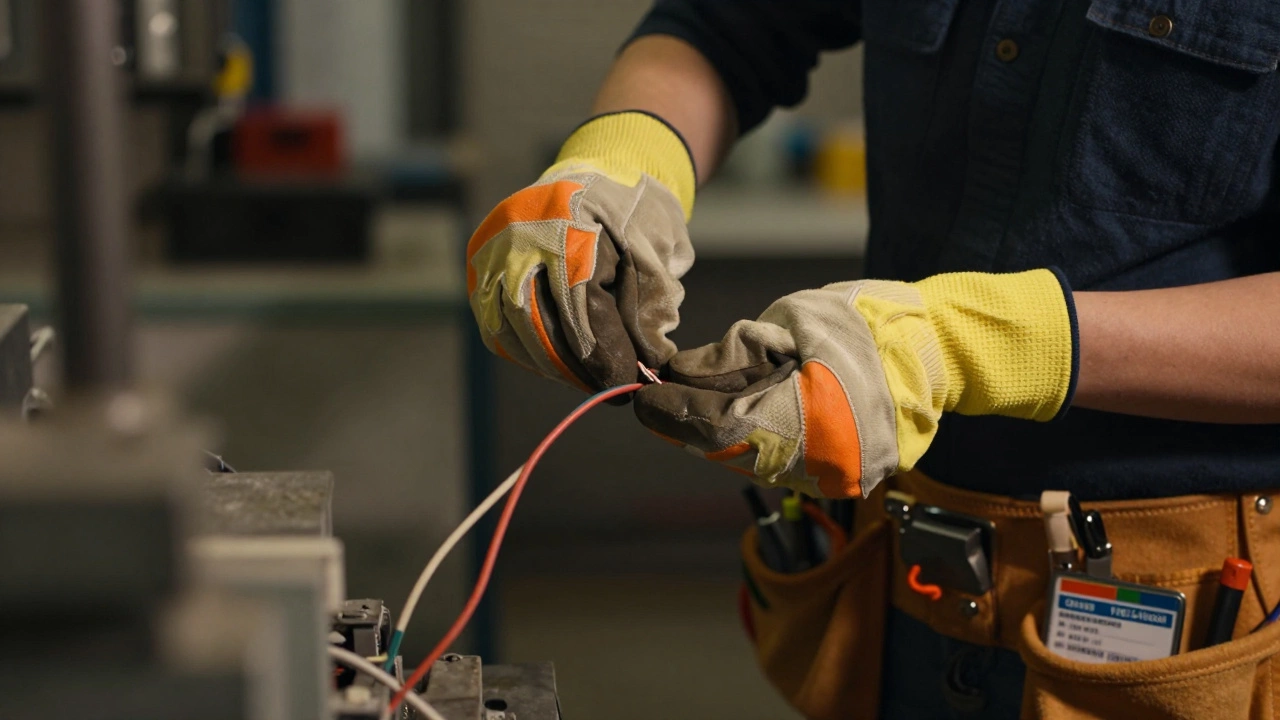
Starting vocational training isn’t as hard as it sounds. Here’s how to take the first step:
- Find your interest - What do you enjoy doing? Working with your hands? Helping people? Solving tech problems? Your passion matters more than what others expect.
- Research local programs - Check with your city’s employment center, community college, or union offices. Many offer free career counseling.
- Look for financial help - Programs like Canada Apprentice Loan a federal program offering up to $8,000 in interest-free loans for apprentices in designated trades or provincial grants can cover tuition, tools, and even transportation.
- Apply and start - Most programs have rolling admissions. You don’t need high grades. You just need to show up, be reliable, and want to learn.
Don’t wait for the "perfect time." There’s no such thing. The average age of women starting vocational training is 27. Many start after having kids, after losing a job, or after realizing their current path isn’t fulfilling.
What You Need to Know Before You Begin
It’s not all easy. Some workplaces still have outdated attitudes. You might be the only woman on a job site. But here’s what’s changed: employers are actively recruiting women because they need skilled workers. And unions, companies, and government agencies are investing in diversity.
Here’s what to expect:
- You’ll wear steel-toed boots, hard hats, and work gloves-yes, even if you’re learning to code.
- You’ll carry tools. Not because you have to, but because you’re expected to be self-reliant.
- You’ll meet mentors-both women and men-who will help you grow.
- You’ll learn to speak up. If something feels unsafe or unfair, you have rights. Most programs teach workplace advocacy.
One woman in Edmonton said it best: "I didn’t know I could be a welder until I tried it. Now I teach others how to do it. That’s power."

Common Myths About Vocational Training
Let’s clear up a few misunderstandings:
- Myth: "It’s only for people who didn’t do well in school."
Truth: Many graduates have university degrees. They chose vocational training because it’s faster, cheaper, and leads to a job. - Myth: "These jobs don’t have growth."
Truth: Electricians become supervisors. Welders become inspectors. Cosmetologists open chains of salons. Advancement is built into the system. - Myth: "It’s physically too hard for women."
Truth: Tools and equipment are designed for all body types. Strength comes with training, not genetics. Many programs include fitness and ergonomics modules.
Where to Find Programs in Canada
Every province has resources to help you find the right program:
- Ontario: Skilled Trades Ontario a government portal listing certified programs, funding options, and employer partnerships
- Quebec: Emploi-Québec offers free career guidance and financial aid for vocational training
- British Columbia: TradesBC connects women to apprenticeships in construction, manufacturing, and technology
- Alberta: Alberta Apprenticeship and Industry Training provides scholarships and job placement for women in non-traditional trades
Search for "women in trades [your province]" and you’ll find local groups offering tours, workshops, and even trial days.
Final Thoughts
Vocational training isn’t a backup plan. It’s a smart, powerful choice for women ready to build careers with real value. No student debt. No waiting for a degree. Just skills, income, and respect.
Whether you’re 18 or 48, single or a parent, new to Canada or a lifelong resident-there’s a trade waiting for you. You don’t need permission. You don’t need to be perfect. You just need to take the first step.
Is vocational training only for people who didn’t go to university?
No. Many people with university degrees choose vocational training because it’s faster, cheaper, and leads directly to a job. Some even go back to school for a trade after realizing their degree didn’t lead to the career they wanted. It’s not about past education-it’s about future goals.
Can women really succeed in male-dominated trades like welding or electrical work?
Absolutely. Women are thriving in these fields. In Canada, over 15% of apprentices in skilled trades are now women-and that number is growing every year. Employers are actively recruiting them because there’s a shortage of skilled workers. Many unions and companies offer mentorship, flexible hours, and safe work environments specifically for women.
How long does vocational training usually take?
It depends on the trade. Short programs like cosmetology or medical assisting can take 3 to 9 months. Apprenticeships in trades like electrician or plumber usually last 3 to 5 years, but you earn while you learn. Many programs offer accelerated options for people with prior experience.
Do I need to buy expensive tools to start?
Most programs provide tools during training. Some even give you a starter kit. For apprenticeships, you’ll gradually buy your own tools as you progress. Many programs offer tool loans or discounts through partnerships with suppliers. You don’t need to spend thousands upfront.
Are there financial aid options for women?
Yes. Canada offers multiple grants and loans for women entering trades. Programs like the Canada Apprentice Loan, Women in Trades grants, and provincial funding can cover tuition, tools, transportation, and even childcare. Some programs are completely free for eligible applicants.
What if I’m not sure which trade to choose?
Try a trial day. Many colleges and unions offer free one-day workshops where you can test out welding, plumbing, coding, or nail tech. You’ll get hands-on experience and talk to women already working in those fields. No pressure. No commitment. Just a chance to see what feels right.
Leave a comments