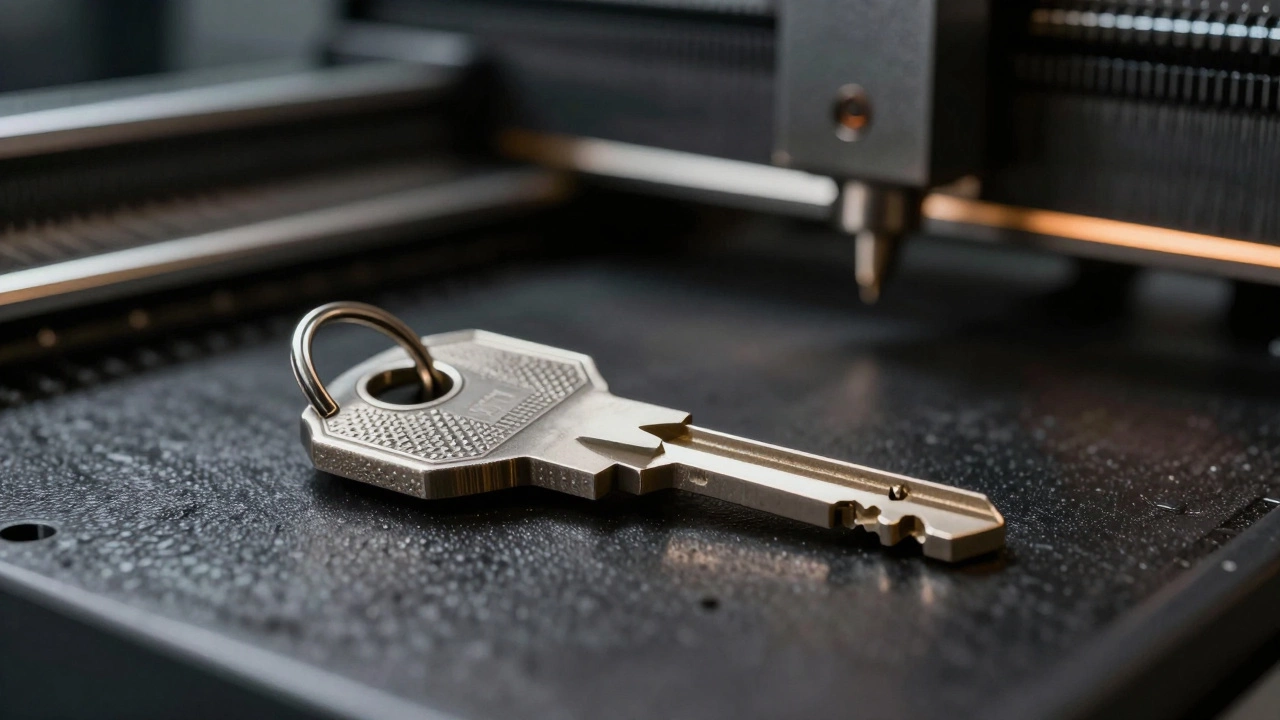
Key Security Level Analyzer
Select the characteristics of your key to understand its security classification and duplication rules.
Analysis Result:
Why It Matters
- Prevent Unauthorized Access: Restricted keys ensure only authorized personnel hold copies.
- Legal Compliance: Improper duplication can lead to fines or criminal charges in many jurisdictions.
- Audit Trails: High-security systems track every key issued, creating a verifiable history.
- Professional Standards: Locksmiths must verify authorization codes before cutting restricted blanks.
Imagine handing over a spare key to your landlord, only to realize they can copy it without asking. Or worse, imagine walking into your home after a renovation, finding the door locked because the contractor cut a new key from the old one. For most of us, keys are simple metal tools that open doors. But in the world of high-security locking systems, some keys simply cannot be copied at a local hardware store. In fact, trying to do so might get you arrested.
If you are studying for locksmith training or just want to understand why your building manager won’t give you a duplicate, this guide breaks down exactly which keys are restricted, why they exist, and how the industry handles them. We will look at the technology behind these locks, the legal frameworks that protect them, and what this means for professionals entering the trade.
The Myth of the Universal Key Copy
For decades, the standard practice was simple: take a key to Home Depot or a local hardware shop, put it in a machine, and walk out with a copy in two minutes. This worked because most residential locks used standardized bitting patterns. However, as security needs grew, manufacturers realized that easy duplication was a massive vulnerability. If anyone could copy a key, then anyone who found a lost key-or stole one-could gain access.
This led to the creation of Restricted Keys. These are not just fancy marketing terms; they represent a fundamental shift in how access control works. A restricted key is one where the manufacturer controls the distribution of the blanks and the cutting codes. You cannot buy these blanks off the shelf. You cannot walk into a random locksmith shop and have them cut one unless that shop has a specific agreement with the brand owner. This system ensures that every key issued is tracked, creating an audit trail that standard keys lack.
Technological Barriers: Why Machines Fail
Before we talk about laws, let’s look at the physical design. Some keys can’t be cut because standard duplicating machines physically cannot read their profiles. Standard keys rely on simple depth cuts along a single edge. High-security keys often use multiple sides, pins, discs, or even electronic chips.
- Multipin Tumbler Systems: Brands like Mul-T-Lock use keys with cuts on both sides and varying depths. A standard machine reads only one side, resulting in a useless blank.
- Disc Detainer Mechanisms: Used by brands like Schlage Primus, these keys have complex serrations that interact with rotating discs inside the lock. The precision required to cut these correctly is far beyond basic equipment.
- Laser-Cut Keys: Often seen in modern cars and high-end office buildings, these keys have grooves milled into the center of the blade rather than the edge. They require specialized vertical milling machines, not horizontal duplicators.
- Electronic Integration: Many modern keys contain RFID chips or transponders. Even if you perfectly copy the metal shape, the new key won’t start the car or unlock the smart door because it lacks the digital signature.
Understanding these mechanisms is crucial for anyone undergoing locksmith training. It explains why upgrading your equipment isn’t just about speed-it’s about capability.
Legal Restrictions and Key Codes
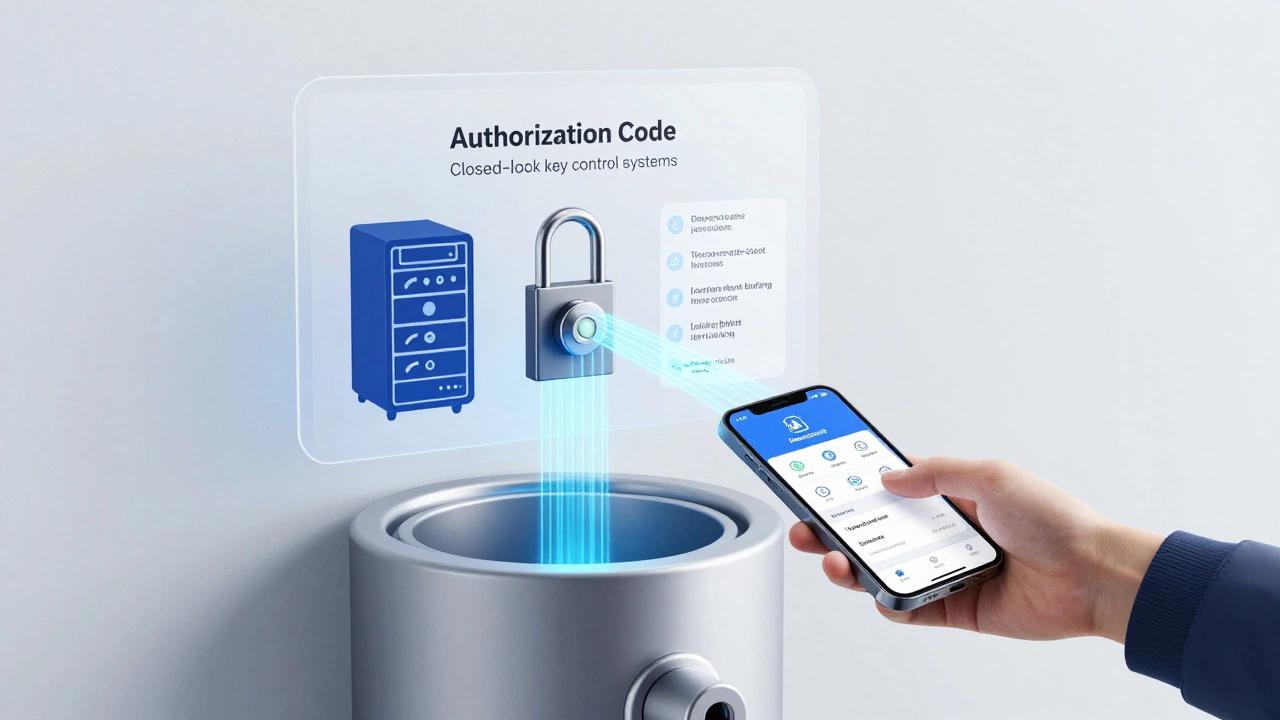
In many jurisdictions, including parts of India and North America, there are strict regulations regarding key duplication. This is where the concept of Key Control Programs comes into play. Manufacturers like Medeco and ASSA ABLOY operate closed-loop systems. To get a key cut, you must provide a valid authorization code from the original key holder.
Here is how the process typically works:
- The property owner registers the lock system with the manufacturer.
- When a new key is needed, the owner generates a unique authorization code via a secure portal.
- The locksmith submits this code to the manufacturer’s database.
- Only after verification does the manufacturer release the bitting information (the pattern of cuts) to the locksmith.
Without this code, even a licensed locksmith cannot legally produce the key. This prevents unauthorized duplication and protects against liability issues. If a break-in occurs and it’s discovered that an unregistered key was made, the chain of custody helps identify where the security failed.
Common High-Security Brands and Their Protocols
To truly grasp what keys can’t be cut, you need to know the players in the market. Each major brand has its own protocol, making it essential for technicians to specialize or partner with authorized distributors.
| Brand | Technology Type | Duplication Restriction Level | Typical Use Case |
|---|---|---|---|
| Mul-T-Lock | Multipin Tumbler | High (Authorized Dealers Only) | Residential & Commercial High-Rise |
| Schlage Primus | Disc Detainer | Very High (Code Required) | Government & Data Centers |
| Medeco | Rotating Pin / Dimple | Extreme (Strict Audit Trail) | Banks & Military Facilities |
| Yale Medallion | Sidebars & Pins | High (Registered Users) | Office Buildings & Hotels |
Notice the trend: the higher the security rating, the more bureaucratic the duplication process. This isn’t accidental. It’s designed to create friction between a malicious actor and gaining access.
The Role of Locksmith Training in Access Control
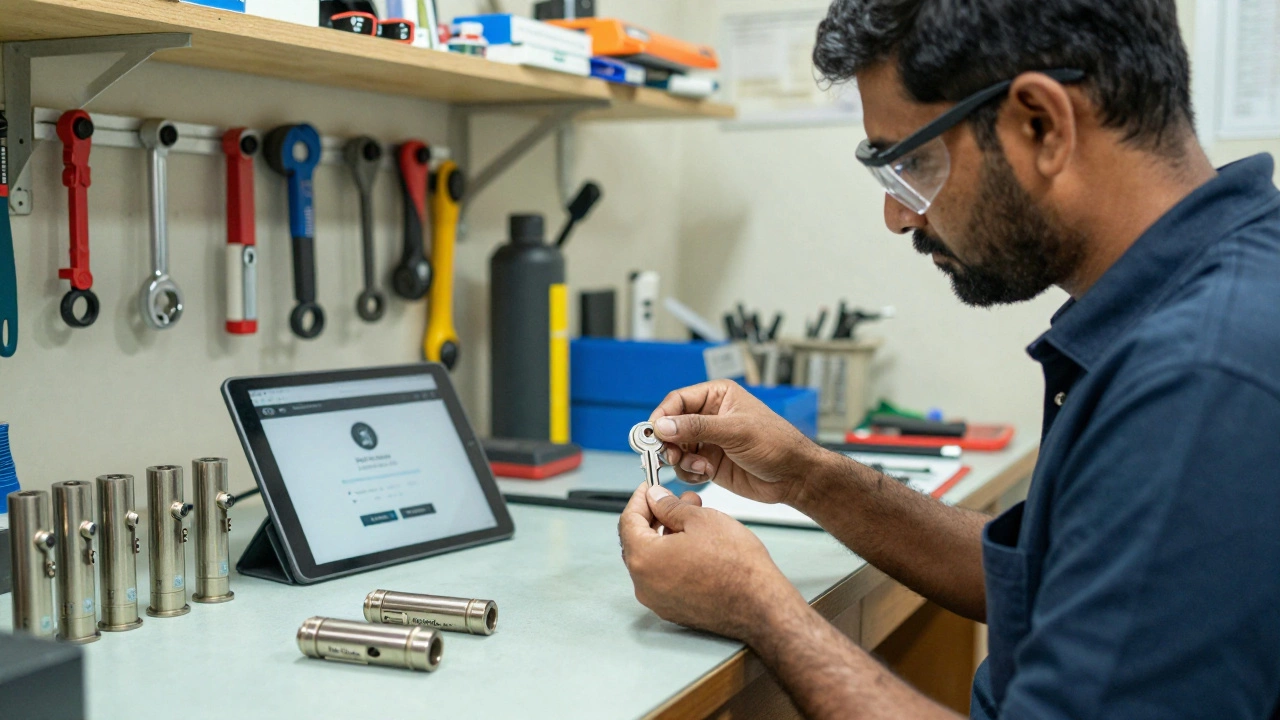
For students pursuing Locksmith Training, understanding restricted keys is not optional-it’s foundational. Modern locksmithing is less about picking locks and more about managing access ecosystems. You aren’t just cutting metal; you’re handling sensitive data.
Training programs now emphasize:
- Ethical Compliance: Knowing when to say no to a key request is as important as knowing how to cut one.
- Digital Literacy: Managing online portals for key authorization and maintaining digital logs.
- Hardware Specialization: Learning to operate high-precision CNC key cutting machines that interface directly with manufacturer databases.
- Liability Management: Understanding the legal consequences of unauthorized duplication, which can include fines and loss of license.
In markets like India, where rapid urbanization is driving demand for secure housing and commercial spaces, certified locksmiths who understand these protocols are in high demand. Building managers prefer hiring technicians who can guarantee that no stray copies exist outside their controlled inventory.
What About "Unpickable" Locks?
Often confused with uncuttable keys, unpickable locks are a related but distinct category. While a key might be restricted from duplication, the lock itself might still be vulnerable to manipulation. However, many high-security systems combine both features. For example, a Dimple Lock uses cylindrical pins arranged radially around the keyway. This makes it extremely difficult to pick because the tension applied during picking affects all pins simultaneously. Combined with restricted keyways, these systems offer dual protection: they resist forced entry and prevent unauthorized key creation.
It’s worth noting that no lock is truly unpickable. Skilled technicians can manipulate almost any mechanical lock given enough time and tools. The goal of high-security systems is to raise the time and effort required for bypass to a level that discourages criminals entirely.
Navigating the Legal Landscape
Laws vary significantly by region. In some places, it is illegal for non-authorized locksmiths to possess certain key blanks. In others, the restriction is purely contractual between the manufacturer and the distributor. As a professional, you must stay updated on local regulations. Ignorance is not a defense if you are caught holding unauthorized restricted blanks.
Always verify your status with local licensing boards. Ensure your business registration includes provisions for handling controlled access devices. Keep meticulous records of every key cut, including the date, customer ID, and authorization code. This documentation protects you in case of disputes or investigations.
Frequently Asked Questions
Can I cut a restricted key if I own the lock?
Not necessarily. Even if you own the lock, you usually cannot cut the key yourself unless you have the proper equipment and authorization. Most restricted key systems require you to go through an authorized dealer who verifies your ownership via an authorization code. This ensures that the key blank used matches the exact specifications and maintains the integrity of the security system.
Why are some keys more expensive to duplicate?
The cost reflects the complexity of the manufacturing process and the administrative overhead. High-security keys require specialized machinery, proprietary software, and manual verification steps. Additionally, the key blanks themselves are produced under strict security conditions, limiting supply and increasing production costs compared to standard brass blanks.
Is it illegal to try to copy a restricted key?
In many jurisdictions, yes. Attempting to duplicate a restricted key without proper authorization can violate copyright laws, trademark protections, and specific statutes related to burglary tools. Penalties can range from heavy fines to criminal charges, depending on local laws and intent.
Do all high-security locks use restricted keys?
Most do, but not all. Some high-security locks focus solely on resistance to picking, drilling, and bumping, while using standard key blanks. However, true high-security systems almost always combine robust internal mechanisms with restricted keyways to prevent unauthorized duplication.
How long does it take to get a restricted key duplicated?
It varies. If you have the authorization code and the locksmith has the correct blank in stock, it can take just a few minutes. However, if the blank needs to be ordered from the manufacturer or if verification takes longer due to complex security protocols, it could take several days to weeks.
Leave a comments