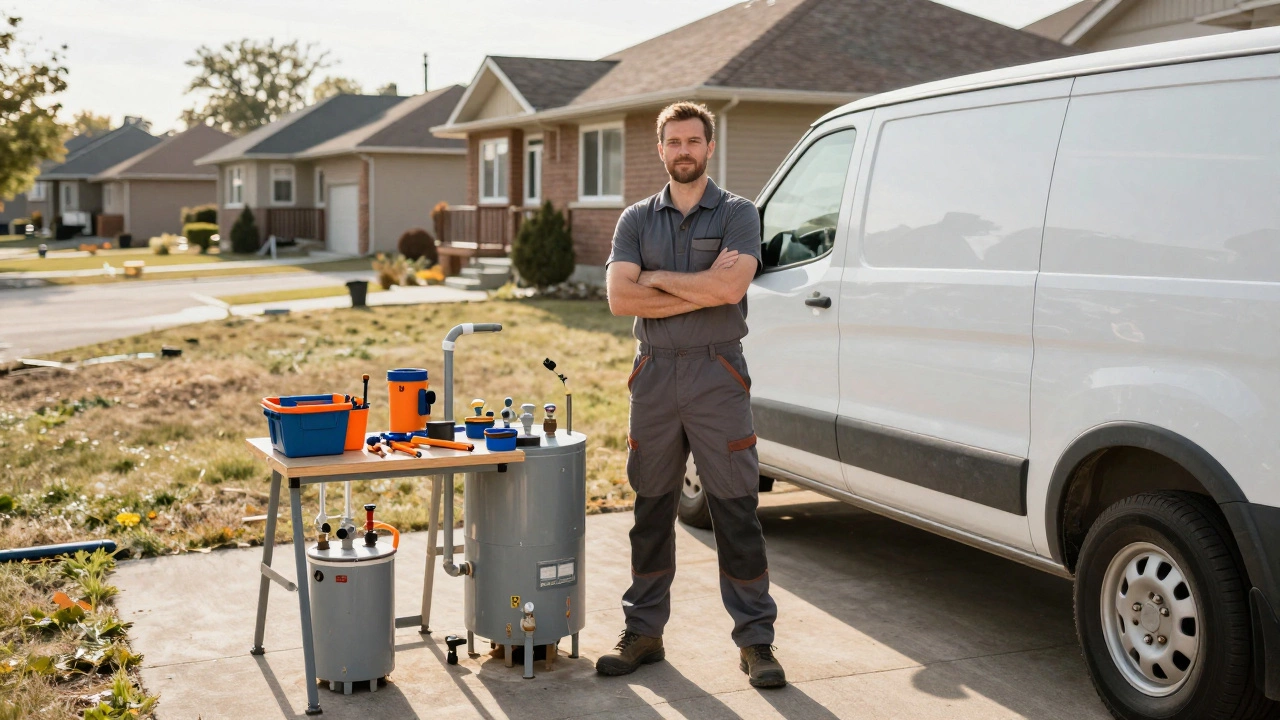
Plumber Location Impact Calculator
Calculate your potential net income when comparing two locations. Based on the article: "A plumber in downtown Vancouver might make $45 an hour. But after rent, parking, and transit, they're left with $2,800 a month. In Chilliwack, just 90 minutes away, the same plumber makes $40 an hour — but pays $1,200 for a three-bedroom house with a garage for their truck. They save $1,600 a month."
Current Location
Monthly Net Income: $0
Commute Time: 0 hours/week
Travel Cost Savings: $0
Target Location
Monthly Net Income: $0
Commute Time: 0 hours/week
Travel Cost Savings: $0
Difference
Net Income Difference: $0
Commute Time Difference: 0 hours/week
Most plumbers don’t live in big cities because they can’t afford to. They live where the work is - and that’s often in suburbs, small towns, and growing neighborhoods just outside urban centers. If you’re thinking about becoming a plumber, where you choose to live matters more than you think. It’s not just about cheap rent. It’s about how many homes need fixing, how fast the population is growing, and whether people are willing to pay for reliable service.
Plumbers Follow the Homes, Not the Skyline
You might assume plumbers cluster in downtown Toronto, New York, or Chicago because that’s where the tallest buildings are. But the truth is, most plumbing jobs happen in single-family homes. And those homes aren’t in the city core. They’re in the suburbs where new housing developments are popping up every year.
In Canada, cities like Mississauga, Brampton, and Surrey have seen massive residential growth over the last decade. These areas have older housing stock that needs upgrades, plus new builds that require full plumbing installations. That means plumbers who live nearby can respond faster, charge less for travel, and build long-term client relationships. A plumber living in downtown Toronto might spend two hours a day driving to jobs. One living in Scarborough spends 20 minutes.
A 2024 survey by the Canadian Apprenticeship Forum found that 68% of licensed plumbers in Ontario live within 25 kilometers of their primary service area. That’s not coincidence. It’s strategy.
Why Small Towns Are Plumbing Hotspots
It’s not just suburbs. Small towns with steady population growth are becoming plumbing magnets. Think places like Kitchener, Windsor, or Abbotsford. These towns have aging infrastructure - old pipes, outdated water heaters, septic systems that need replacing - but they don’t have enough local plumbers to keep up.
When a town grows by 5% in a year and the number of plumbers stays the same, demand spikes. That’s when wages go up, and plumbers start moving in. Many new graduates from trade schools in Alberta or British Columbia head to towns like Red Deer or Kamloops because they can start earning $35 an hour right out of apprenticeship - while in bigger cities, they’re stuck doing grunt work for $22 an hour.
One plumber in Medicine Hat told me he got his first job offer the day after finishing his certification. He didn’t have to apply. The local plumbing company drove to his school and offered him a truck, tools, and a salary before he even walked out the door.
Where the Training Is - And Where Plumbers End Up
Most plumber training programs are located in or near major cities. That’s because colleges and trade schools need access to classrooms, labs, and partner employers. But here’s the twist: after graduation, many plumbers don’t stay.
Take Toronto’s George Brown College. It graduates about 120 plumbers a year. But only 40% of them end up working in Toronto. The rest go to Hamilton, Oshawa, or even rural areas in Eastern Ontario. Why? Because the city is saturated. There are too many plumbers chasing too few new jobs. Meanwhile, towns like Peterborough or Sault Ste. Marie are desperate for skilled workers.
Apprenticeships often decide where you end up. If your sponsor is a company based in London, Ontario, you’ll likely live there. If you’re hired by a firm in Calgary, you’ll move. Your training location doesn’t lock you in. Your job offer does.
The Real Cost of Living for Plumbers
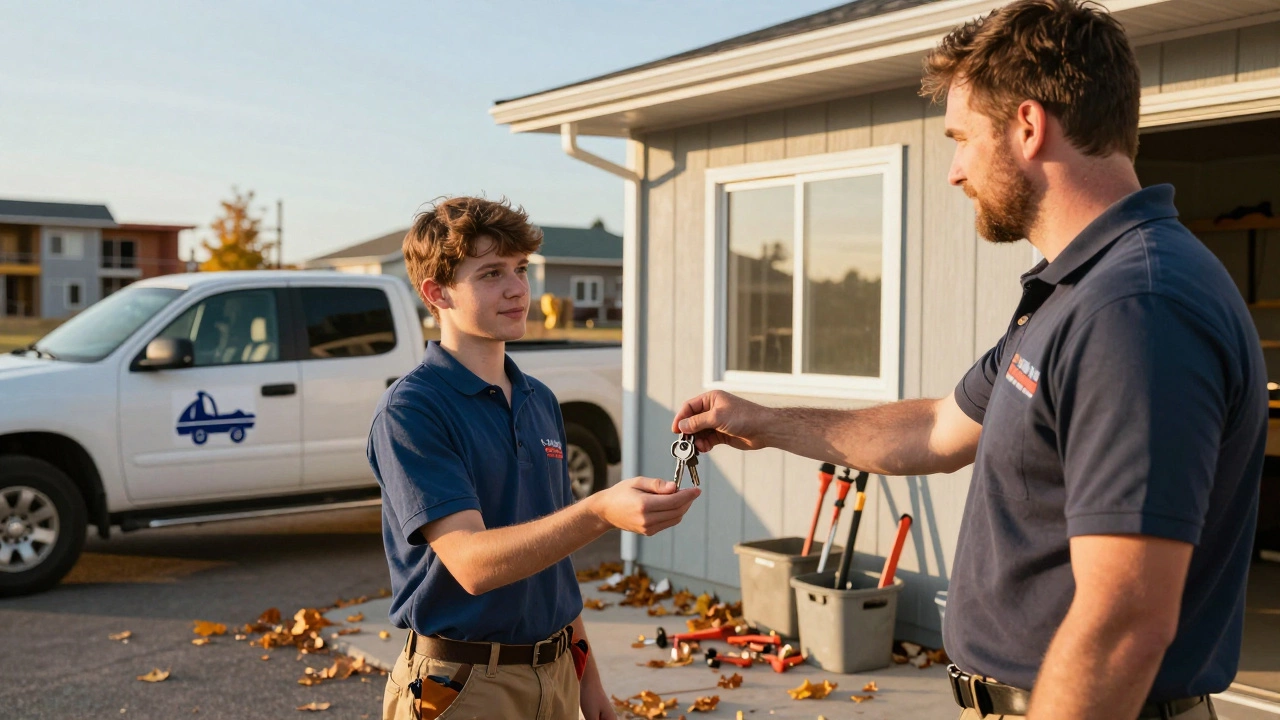
Let’s talk money. A plumber in downtown Vancouver might make $45 an hour. But after rent, parking, and transit, they’re left with $2,800 a month. In Chilliwack, just 90 minutes away, the same plumber makes $40 an hour - but pays $1,200 for a three-bedroom house with a garage for their truck. They save $1,600 a month. That’s not just comfort. That’s financial freedom.
And don’t forget the hidden costs. In big cities, plumbers pay for parking permits, traffic delays, and higher insurance rates. In smaller areas, they park on the street, skip tolls, and often get discounts on fuel because they’re part of a local business network.
One plumber in Regina shared that he bought his first home two years after finishing his apprenticeship. His buddy in Toronto is still renting a basement suite at 32. The difference? Location.
What This Means for New Plumbers
If you’re thinking about enrolling in a plumber training course, here’s what you need to know: your future isn’t determined by where you learn - it’s determined by where you choose to work after.
Don’t assume you have to live in the city. In fact, avoiding the city might be your smartest move. Look at where new housing permits are being issued. Check population growth maps. Talk to local plumbing companies. Ask them: “Where do your best technicians live?” They’ll tell you.
Some of the most successful plumbers I’ve met didn’t go to the fanciest school. They went to the one closest to a town that was growing. They showed up early. They worked weekends. They built trust. And now they own their own businesses.
Top 5 Places Where Plumbers Actually Live (2025)
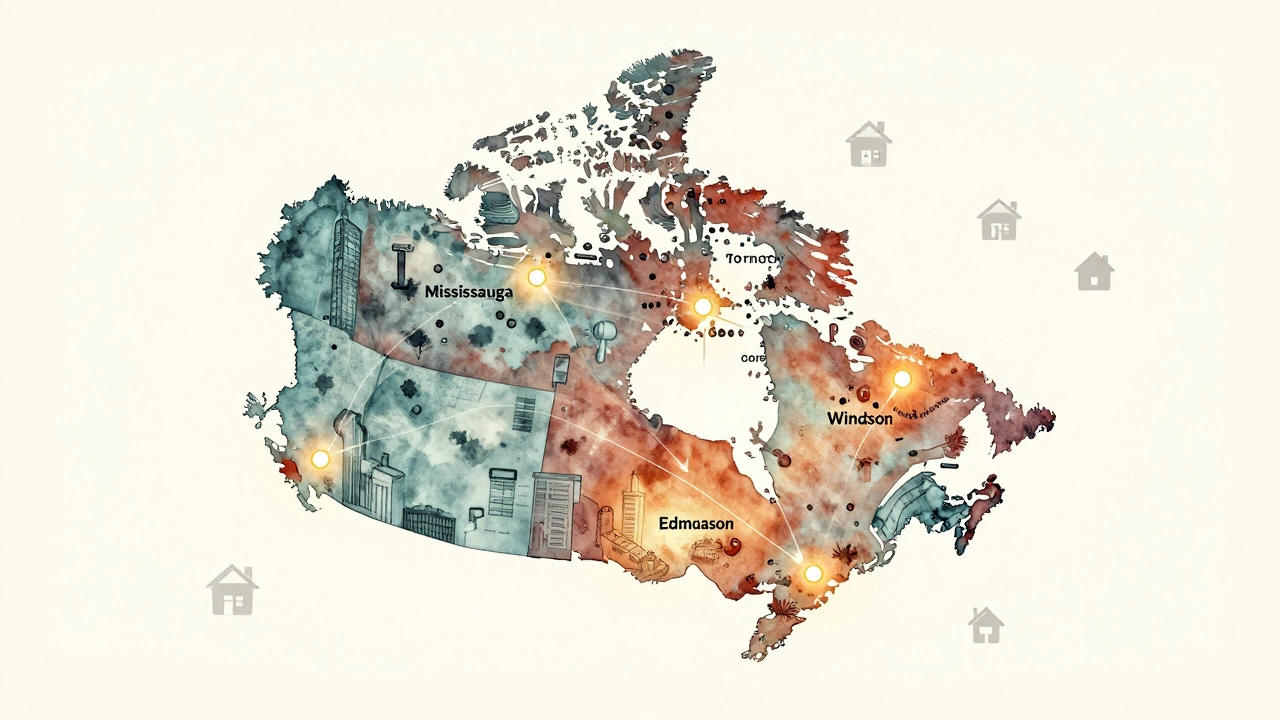
Based on job postings, apprentice relocation data, and trade association surveys, here are the five places where the highest concentration of working plumbers live right now:
- Mississauga, Ontario - High density of homes built between 1980-2010. Constant need for pipe replacements and water heater upgrades.
- Edmonton, Alberta - New subdivisions every year. Strong union presence. High wages for skilled workers.
- Surrey, British Columbia - Fastest-growing city in BC. High demand for new builds and septic system installs.
- Windsor, Ontario - Aging infrastructure meets lower cost of living. Many plumbers commute from Michigan for work.
- Regina, Saskatchewan - Low competition. High retention. Companies offer signing bonuses and tool packages.
These aren’t the biggest cities. But they’re the ones with the most work - and the least competition.
Don’t Just Train. Choose Your Base.
Plumbing isn’t just about fixing leaks. It’s about building a life. Where you live affects your income, your stress levels, your family time, and your long-term wealth. Training gives you the skill. Where you choose to live gives you the future.
If you’re serious about this trade, don’t just pick a school. Pick a location. Look at where homes are being built. Where pipes are aging. Where companies are hiring. Then go there. The work will follow.
Do plumbers need to live in the same city where they work?
No, but it helps a lot. Most plumbers live within 25 kilometers of their main service area because travel time eats into earnings and reduces the number of jobs they can do in a day. Living nearby also builds trust with clients who prefer local, reliable service.
Is it better to live in a city or suburb as a plumber?
For most plumbers, suburbs are better. Cities have more competition and higher living costs. Suburbs have more homes needing repairs, less traffic, and cheaper housing. You can earn similar pay with lower expenses and more free time.
Can I move after finishing plumber training?
Absolutely. Your training location doesn’t lock you in. Many plumbers move after apprenticeship based on job offers. If a company in Calgary offers you a truck and tools, and you’re from Toronto, it’s smart to move. Your skills are transferable - your location should be strategic.
Why are some towns hiring plumbers with signing bonuses?
There’s a shortage of skilled plumbers in many small and growing towns. Companies offer bonuses, free tools, or housing help to attract workers. These aren’t gimmicks - they’re responses to real demand. If you’re offered $2,000 to move to Regina, it’s because they need you.
What’s the best way to find where plumbers are needed most?
Check local government websites for building permit data. Look for areas with high new construction or recent housing retrofits. Talk to plumbing supply stores - they know who’s buying the most pipes and fixtures. And ask apprenticeship coordinators: they track where graduates end up working.
If you’re considering plumber training, remember: your next step isn’t just signing up for a course. It’s choosing where you’ll live, work, and build your future. The best plumbers aren’t the ones with the fanciest certificates. They’re the ones who showed up where the work was - and stayed.
Leave a comments