Electrical Trade Income Estimator
Select a specialization and adjust the parameters to estimate potential annual earnings. Note that these are estimates based on North American averages.
You might think all electricians make roughly the same money. That is a dangerous assumption. The difference between a residential installer and an industrial controls specialist can be tens of thousands of dollars a year. If you are considering electrician training or looking to switch specialties, knowing where the money actually goes saves you years of guessing.
The truth is that pay scales in the electrical field depend heavily on three things: the complexity of the work, the environment you work in, and how specialized your skills are. General wiring pays well, but solving complex problems in harsh environments pays better. Let’s break down exactly which trades offer the highest returns right now.
Industrial Electricians: The Heavy Hitters
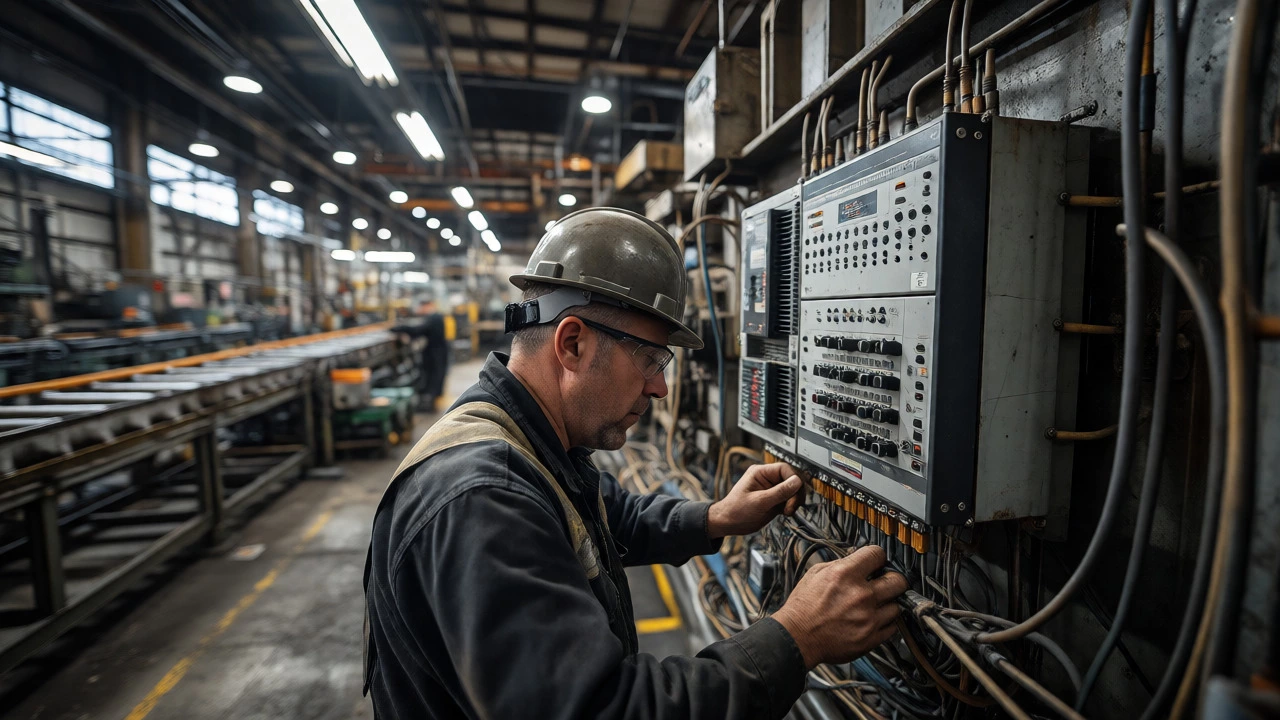
If you want the highest consistent hourly wage, look at industrial electricians. These professionals work in factories, manufacturing plants, and power generation facilities. Unlike residential electricians who wire homes, industrial electricians deal with high-voltage systems, heavy machinery, and automated control panels.
Why does this pay more? Because downtime costs companies money. If a conveyor belt stops because of a faulty sensor, the factory loses revenue every minute it sits idle. An industrial electrician who can diagnose and fix that issue quickly is worth their weight in gold. In Canada, experienced industrial electricians often earn between $45 and $60 per hour. In the US, top-tier specialists in places like Texas or Michigan can push past $70 per hour when overtime kicks in.
This role requires strong troubleshooting skills. You aren’t just connecting wires; you are reading schematics for programmable logic controllers (PLCs) and ensuring safety protocols for high-amperage equipment. It is stressful, loud, and often hot, but the paycheck reflects that intensity.
Instrumentation Technicians: Precision Pays
Closely related to industrial work is the role of an instrumentation technician. This is a niche within the electrical trade that focuses on measuring and controlling variables like pressure, temperature, and flow. You might work in oil refineries, pharmaceutical plants, or water treatment facilities.
The pay here is exceptionally high because the margin for error is tiny. A misread gauge in a chemical plant isn’t just an inconvenience; it can be a safety hazard. Instrumentation technicians often earn salaries comparable to engineers. Entry-level positions start around $35 per hour, but senior technicians with certifications in specific control systems (like Siemens or Allen-Bradley) can command over $55 per hour. This path usually requires more theoretical knowledge than standard wiring, making it ideal for those who enjoy math and logic puzzles.
Linemen: High Risk, High Reward
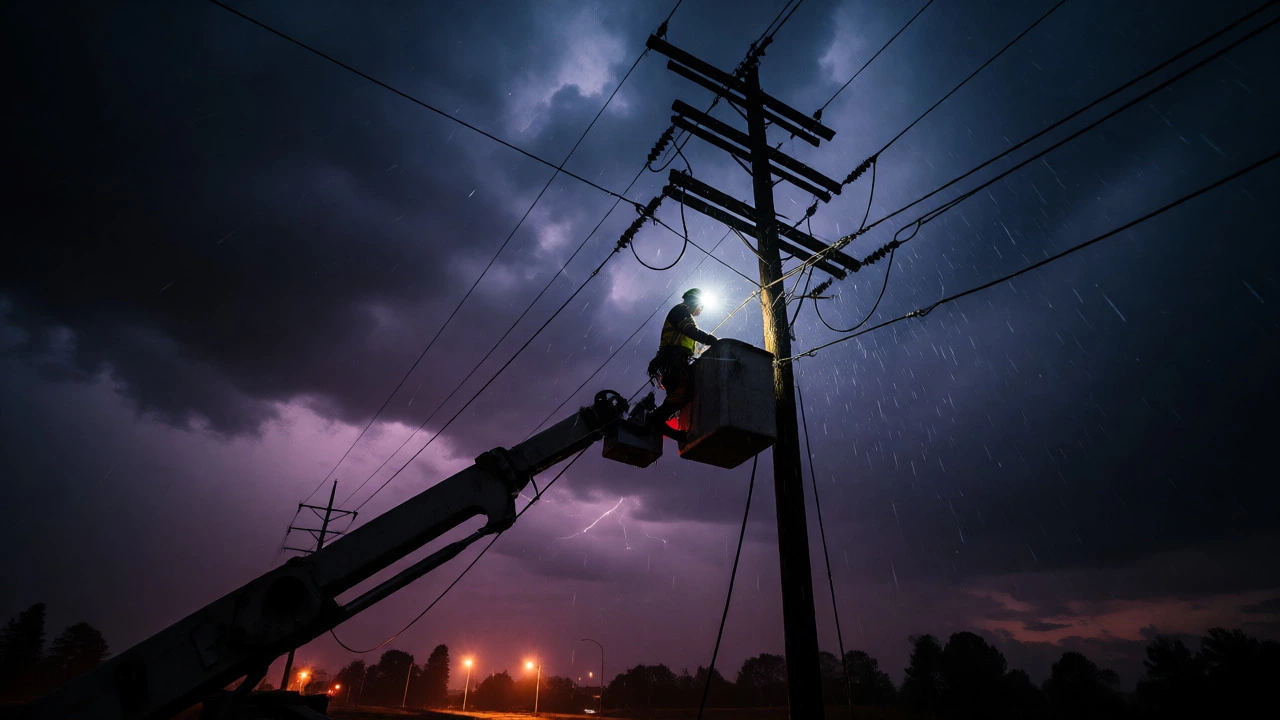
When people ask about the highest-paid electricians, they often point to linemen. Linemen work on the high-voltage power lines that transmit electricity from generating stations to substations. They climb poles or work in bucket trucks hundreds of feet above the ground.
The compensation structure for linemen includes base pay plus significant overtime and standby pay. During storms or emergencies, linemen work long hours under difficult conditions. In regions prone to severe weather, such as the Northeastern United States or parts of Canada, annual earnings for journeyman linemen frequently exceed $100,000. However, this job carries physical risks. You need to be comfortable with heights, heavy lifting, and working in rain, snow, or heat. Unionized linemen often have some of the best benefit packages in the skilled trades.
Aerospace and Marine Electricians
Not all high-paying work happens on land. Aerospace electricians work on aircraft wiring harnesses, avionics, and navigation systems. Similarly, marine electricians handle the complex electrical systems on ships, yachts, and offshore rigs.
These roles demand extreme precision and adherence to strict regulatory standards. An aerospace electrician must follow detailed blueprints for every connection, knowing that a loose wire could affect flight safety. Pay rates vary by location, but hubs like Seattle, Montreal, or Hamburg offer competitive wages due to the concentration of aerospace manufacturers. Marine electricians, particularly those working on luxury yachts or offshore oil platforms, often receive room and board coverage along with high daily rates. For a marine electrician on an offshore rig, earning $500 to $800 per day is not uncommon during contract periods.
Comparison of Electrical Specializations
To help you visualize the differences, here is a breakdown of average earnings and key requirements for the top-paying specializations. Note that these figures reflect North American averages as of late 2026 and can vary significantly by union status and local cost of living.
| Specialization | Avg Hourly Rate (CAD/USD) | Key Skill Focus | Work Environment |
|---|---|---|---|
| Industrial Electrician | $45 - $65 | PLCs, Motor Controls, Troubleshooting | Factories, Plants, Loud/Hot |
| Lineman | $50 - $75+ | High Voltage, Climbing, Safety | Outdoors, Heights, Weather |
| Instrumentation Tech | $40 - $60 | Sensors, Calibration, Logic Loops | Refineries, Labs, Clean/Dangerous |
| Residential Electrician | $30 - $45 | Code Compliance, Customer Service | Homes, Construction Sites |
| Commercial Electrician | $35 - $50 | Conduit Bending, Blueprint Reading | Offices, Retail, Schools |

Factors That Boost Your Income
Choosing the right specialty is step one. Maximizing your earnings involves additional factors. First, consider union membership. In many cities, union contracts guarantee higher minimum wages, pension contributions, and health benefits. Non-union shops may offer flexibility, but they rarely match the total compensation package of a strong local union.
Second, location matters. Moving to areas with energy booms, such as Alberta’s oil sands or Texas’s petrochemical corridor, can double your earning potential compared to rural markets. Third, continuous education pays off. Learning new technologies, such as renewable energy integration or smart building automation, makes you indispensable. Solar panel installation, for example, has moved from a niche side-job to a major sector. While basic solar installers earn moderate wages, those who understand grid-tie inverters and battery storage systems earn premiums.
Finally, self-employment offers the highest ceiling but also the highest risk. Running your own electrical contracting business means you keep the profit margins, but you also handle overhead, marketing, and liability. Many successful contractors start as industrial electricians, gain experience, then branch out into commercial or residential services later in life.
How to Choose Your Path
Ask yourself what kind of work keeps you engaged. Do you like solving immediate, visible problems? Residential or commercial work might suit you. Do you prefer deep-dive troubleshooting where you spend hours figuring out why a machine won’t start? Industrial or instrumentation work is likely a better fit. Are you physically tough and okay with bad weather? Lineworking could be your golden ticket.
There is no "best" trade for everyone. There is only the best trade for your personality and lifestyle goals. If you value stability and clear career ladders, join a union apprenticeship in industrial electrical work. If you crave adventure and high pay despite the risks, look into lineman training. If you enjoy technology and precision, aim for instrumentation.
Do I need a degree to become an industrial electrician?
No, you do not need a university degree. You typically need a high school diploma followed by a formal apprenticeship program, which lasts 4-5 years. This combines on-the-job training with classroom instruction. Some employers prefer candidates with prior experience or certificates in PLC programming, but the core requirement is certification as a journeyman electrician.
Is being a lineman harder than being an industrial electrician?
They are hard in different ways. Linemen face greater physical demands and environmental hazards, such as working at heights in wind or rain. Industrial electricians face mental stress from complex troubleshooting and tight deadlines to minimize production downtime. Physically, linework is generally considered more demanding.
Can women succeed in high-paying electrical trades?
Absolutely. Women are increasingly represented in all sectors of the electrical trade, including industrial and instrumentation roles. Modern equipment and ergonomic tools have reduced the raw physical strength required for many tasks. Success depends on skill, reliability, and willingness to learn, not gender.
Which state or province pays electricians the most?
In the US, states like Illinois, New York, and California tend to have the highest average wages due to cost of living and union density. In Canada, provinces with strong energy sectors like Alberta and Saskatchewan, as well as major urban centers like Ontario and British Columbia, offer the highest pay rates.
Does specializing in solar energy increase pay?
Yes, especially if you specialize beyond basic installation. Understanding battery storage, grid interconnection rules, and commercial-scale solar arrays allows you to charge higher rates. As renewable energy mandates grow, certified solar specialists are becoming scarce, driving up their market value.
Leave a comments