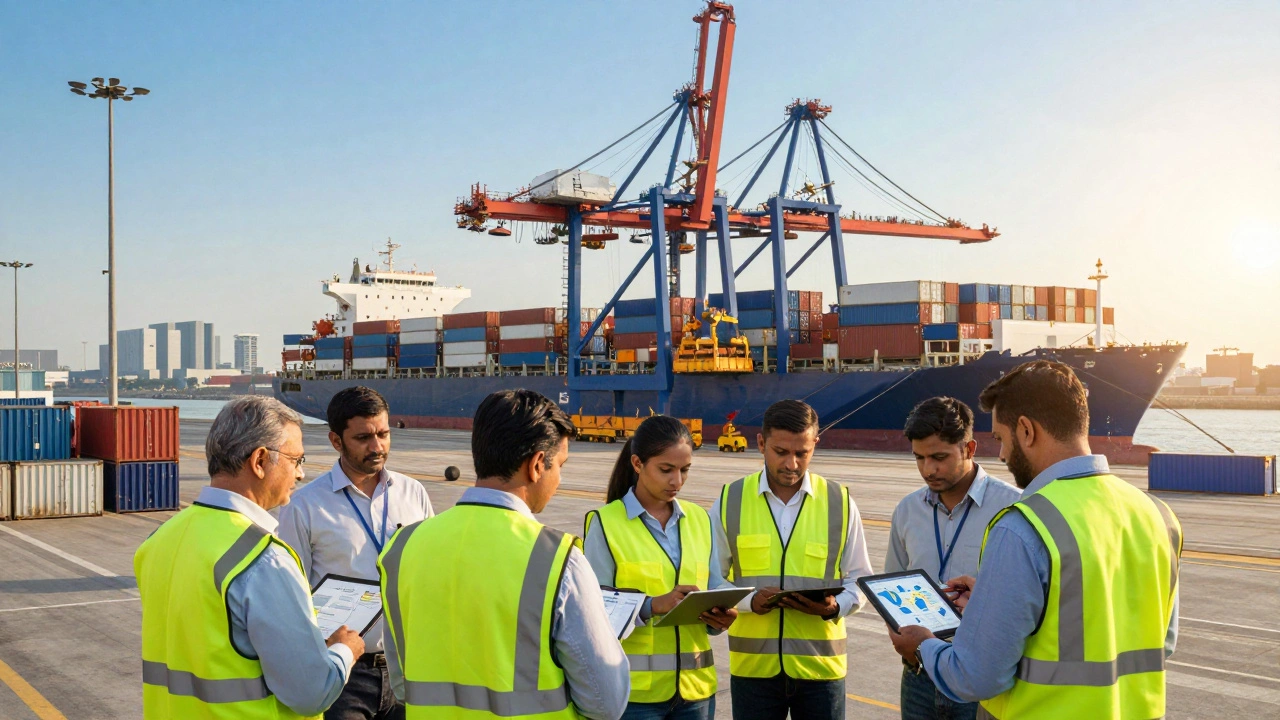
India Trade Volume Estimator
Input Trade Data (in Billions USD)
Enter estimated exports from India and imports to India for each partner to calculate total bilateral trade.
Visual Comparison
Trade Analysis
It is easy to assume that India’s biggest economic neighbor is its physical one. After all, China shares a long border with India and has been a manufacturing powerhouse for decades. But if you look at the actual numbers from 2025 and early 2026, the picture changes completely. The United States has firmly established itself as India's largest trading partner, surpassing China in total trade volume for several consecutive years.
This shift isn't just a headline; it represents a fundamental change in how India interacts with the global economy. For students of international business, supply chain managers, or anyone interested in where India fits in the world market, understanding this dynamic is crucial. It tells us where Indian goods are going, where raw materials are coming from, and what sectors are driving growth.
The Numbers: Why the US Tops the List
To understand why the United States holds the top spot, we have to look at the composition of trade. Trade volume is calculated by adding up both exports (what India sells) and imports (what India buys). While India still buys a significant amount of machinery and electronics from China, the sheer size of its sales to the US pushes the total higher.
In the fiscal year 2024-2025, bilateral trade between India and the US exceeded $190 billion. This figure includes high-value services like IT and software development, which are massive contributors to India's earnings. When you combine physical goods-such as pharmaceuticals, gems, jewelry, and textiles-with these service exports, the US becomes the clear leader. China follows closely behind, primarily driven by imports of capital goods and chemicals into India.
It is important to note that "trade" here refers to merchandise trade plus commercial services. If you only looked at merchandise (physical goods), China might still appear larger due to the heavy flow of imported components. However, modern economics values services equally, and India’s strength in digital services gives it a distinct advantage in the overall calculation.
The Role of Services in India-US Trade
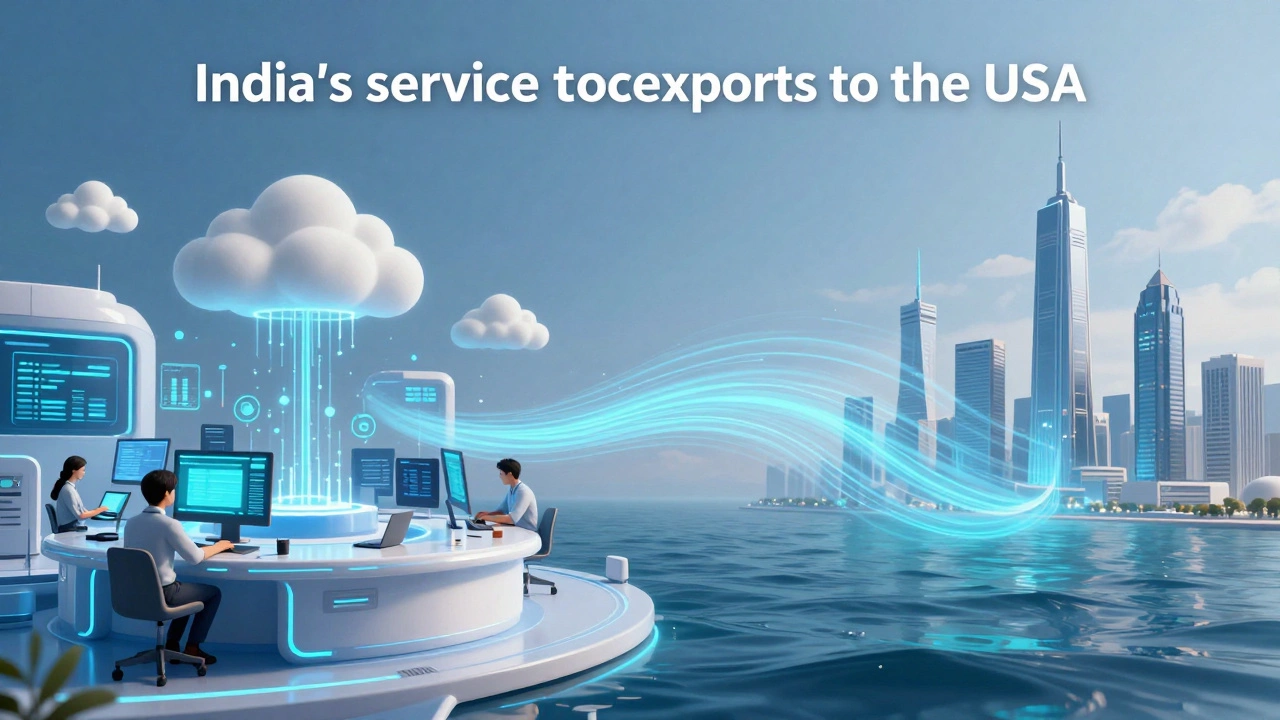
One reason the US partnership is so robust is the dominance of the services sector. India is often called the "back office of the world," but that description is outdated. Today, Indian companies provide strategic consulting, cloud infrastructure, AI development, and financial services to American corporations.
Consider the IT-BPM (Information Technology and Business Process Management) industry. Companies based in Hyderabad, Bangalore, and Pune employ millions of people who work directly on projects for US clients. These transactions are recorded as exports. Unlike selling cotton or steel, which can be volatile based on commodity prices, service contracts tend to be long-term and stable. This stability makes the US a reliable partner even when global markets fluctuate.
Furthermore, the diaspora plays a role. Millions of Indians living in the US maintain strong cultural and business ties, facilitating smoother negotiations and partnerships. This human element reduces friction in trade deals compared to relationships with countries where language and regulatory barriers are higher.
China: The Complex Relationship
If the US is the biggest customer, China remains the biggest supplier of inputs. India relies heavily on Chinese imports for electronic components, active pharmaceutical ingredients (APIs), and machinery used in manufacturing. In 2025, China remained India’s largest source of imports, accounting for roughly 13-15% of total import bills.
However, the relationship has cooled significantly since the border tensions of recent years. The Indian government has actively pursued an "Atmanirbhar Bharat" (Self-Reliant India) strategy, aiming to reduce dependency on Chinese goods. This has led to bans on hundreds of Chinese apps and stricter scrutiny of investments from Chinese firms.
Despite these political headwinds, complete decoupling is difficult. Many products labeled "Made in India" actually contain parts sourced from China. For example, smartphones assembled in India often use screens or chips manufactured in Shenzhen. Until India builds its own semiconductor and component manufacturing capacity, China will remain a critical, albeit controversial, part of the trade equation.
Other Key Players in India's Trade Network
While the US and China dominate the headlines, other nations play vital roles in India’s trade ecosystem. Diversification is key to economic resilience, and India has strengthened ties with several other regions.
- The European Union: The EU is consistently among the top three trading partners. Germany, France, and Italy are major buyers of Indian engineering goods and textiles. They are also significant investors in India’s automotive and renewable energy sectors.
- The UAE and Middle East: The Gulf Cooperation Council (GCC) countries are crucial for two reasons: energy imports and remittances. India imports most of its crude oil from the Middle East. Additionally, millions of Indian workers send money home from the UAE and Saudi Arabia, which supports domestic consumption.
- Singapore and Southeast Asia: Singapore is not just a trading hub but also a gateway for investment. Through the Indo-Pacific Oceans Initiative, India is deepening ties with Vietnam, Thailand, and Indonesia, focusing on electronics assembly and defense cooperation.
Impact on Trade Courses and Education in India
Understanding these trade dynamics is essential for anyone studying commerce, logistics, or international relations. This is why trade courses in India are seeing a surge in enrollment. Students are no longer just learning about basic accounting; they are diving into global supply chains, export-import regulations, and cross-border taxation.
Colleges and vocational institutes are updating their curricula to reflect real-world scenarios. For instance, a course on International Business now includes modules on navigating US-China trade wars and their impact on Indian manufacturers. Students learn how to use Incoterms 2020, manage currency hedging risks, and comply with customs procedures for different partner countries.
For professionals looking to upskill, certification programs in supply chain management and global trade compliance are highly valued. Employers want candidates who understand not just how to ship a product, but how geopolitical shifts affect shipping routes and costs. A specialist who knows the nuances of exporting pharmaceuticals to the FDA-regulated US market is far more valuable than a generalist.
Future Outlook: Where Will Trade Go?
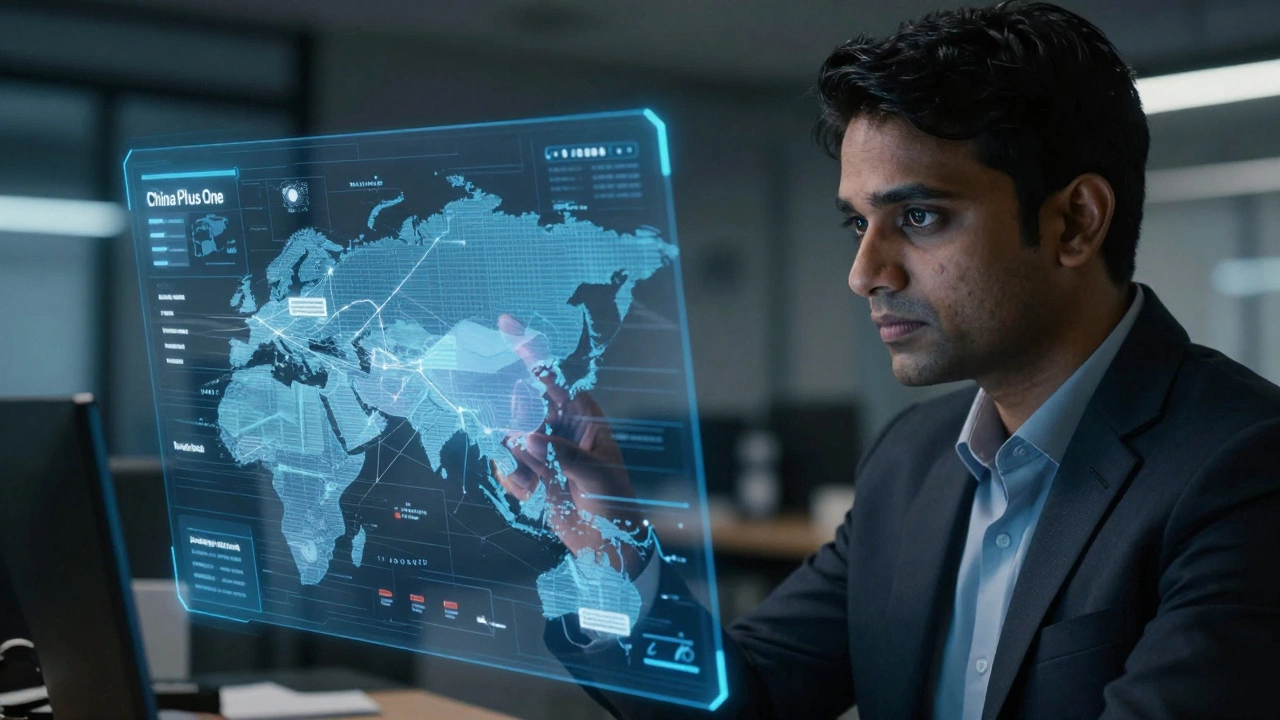
Looking ahead to late 2026 and beyond, several trends will shape India’s trade landscape. First, the push for "China Plus One" strategies by multinational corporations continues. Companies want to diversify their manufacturing bases away from China, and India is positioning itself as the primary beneficiary. This could lead to increased foreign direct investment (FDI) in electronics, textiles, and auto parts.
Second, regional trade agreements will become more important. India is negotiating free trade agreements (FTAs) with the UK, the EU, and potentially Canada. These deals aim to lower tariffs and open new markets for Indian services and goods. Success in these negotiations could further boost the share of Western economies in India’s trade portfolio.
Finally, digital trade is growing. As e-commerce platforms expand globally, small and medium enterprises (SMEs) in India can sell directly to consumers in the US and Europe. This democratization of trade means that even small businesses need to understand international payment gateways, cross-border logistics, and digital marketing.
| Partner Country | Total Trade Volume (Approx.) | Key Exports from India | Key Imports to India |
|---|---|---|---|
| United States | $190+ Billion | IT Services, Pharmaceuticals, Gems/Jewelry, Textiles | Crude Oil, Gold, Machinery, Aircraft |
| China | $160+ Billion | Iron Ore, Organic Chemicals, Cotton | Electronics, Machinery, APIs, Plastics |
| European Union | $140+ Billion | Engineering Goods, Petroleum Products, Services | Machinery, Chemicals, Vehicles |
| UAE | $80+ Billion | Petroleum Products, Gems, Engineering Goods | Crude Oil, Gold, Diamonds |
Challenges in Maintaining Trade Growth
Despite the positive outlook, challenges remain. Infrastructure bottlenecks, such as port congestion and inefficient rail connectivity, can increase logistics costs. India aims to improve its Logistics Performance Index (LPI) ranking through initiatives like the National Logistics Policy, but implementation takes time.
Another challenge is regulatory complexity. Exporters often face hurdles related to documentation, customs clearance, and changing compliance standards in destination countries. Simplifying these processes is critical for small businesses to participate in global trade effectively.
Additionally, currency fluctuations can impact profitability. Since much of India’s trade is invoiced in US dollars, a weakening rupee can make imports more expensive while boosting export revenues. Businesses must adopt robust financial strategies to mitigate these risks.
Is China still India's largest trading partner?
No, as of 2025 and 2026, the United States is India's largest trading partner when considering both goods and services. China remains the largest source of imports, but the total bilateral trade volume with the US is higher due to significant Indian exports of services and goods.
What does India export most to the USA?
India's top exports to the US include information technology services, pharmaceuticals, gems and jewelry, textiles, and leather goods. The services sector, particularly IT and business process outsourcing, contributes the largest value.
Why is the US-India trade relationship important?
The relationship is vital because it drives employment in India's high-growth sectors like IT and pharmaceuticals. It also provides access to the world's largest consumer market for Indian goods and fosters technological collaboration and investment.
How has the trade balance with China changed?
India runs a significant trade deficit with China, meaning it imports much more than it exports. While the gap has narrowed slightly due to reduced imports of certain electronics and increased scrutiny, China remains a dominant supplier of raw materials and components.
Are there specific trade courses available for learning about global markets?
Yes, many institutions in India offer trade courses covering international business, supply chain management, and export-import procedures. These courses help students understand global trade dynamics, compliance, and logistics, preparing them for careers in multinational corporations.
Leave a comments