Locksmith Response Time Estimator
Calculate how long you might wait for a locksmith based on your specific situation, including traffic, verification needs, and lock complexity.
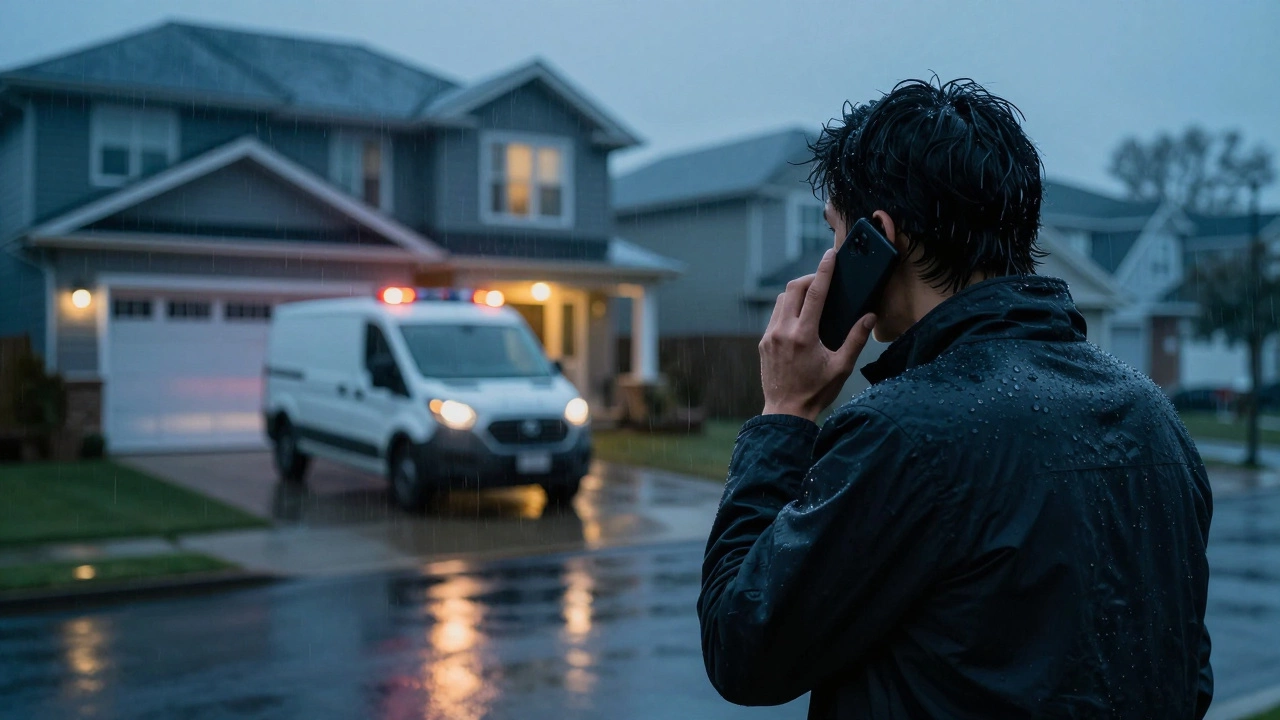
You’re standing outside your house. The rain is starting to fall. Your keys are inside. You call a locksmith, and they say, “I’ll be there in 45 minutes.” Forty-five minutes feels like an eternity when you’re cold, wet, and anxious about your security. Why does it take so long? Is the professional just driving slowly? Are they lying about their location? Or is there something more complex happening behind the scenes that most people don’t see?
The frustration is real. But the delay usually isn’t laziness. It’s a mix of logistics, safety protocols, and the specific skills required to do the job right. If you’ve ever wondered why a simple key cut takes longer than expected or why an emergency call involves a wait, this guide breaks down the reality of locksmith operations. We’ll also look at how proper locksmith training affects these times, including insights from vocational programs in places like India where trade skills are taught with precision.
The Logistics of Emergency Calls
When you call for emergency service, you aren’t just booking a person; you’re booking a mobile workshop. A professional locksmith carries hundreds of dollars worth of tools, key blanks, and specialized equipment. They cannot leave anything behind. This means every trip is calculated.
Consider the geography. In cities like Toronto, traffic patterns change minute by minute. A locksmith might be five miles away but stuck in gridlock near the highway. Unlike a pizza delivery driver who has multiple riders covering small zones, locksmiths often cover larger radii because emergencies are sporadic. One technician might handle three calls in a day, each requiring different skill sets.
Furthermore, dispatchers prioritize based on severity. If someone is locked out of a car with a child inside, that call jumps the queue. If you’re locked out of a home at night, you’re safe, but you’re still waiting. The dispatcher must ensure the nearest available technician who has the *right* tools for your specific lock type is sent. Sending the wrong person wastes everyone’s time.
Safety and Verification Protocols
This is the biggest reason for delays that customers rarely understand. Locksmiths deal with high-security environments. Their primary legal and ethical obligation is to ensure they are letting the right person into the property. Imagine if a locksmith rushed to open a door without verifying ownership, only to find out the caller was an intruder or a disgruntled ex-partner. That could lead to serious legal trouble and liability.
Before arriving, many professionals will ask for proof of residence. This might mean asking for a utility bill number, a photo ID matching the address, or even calling the landlord or previous owner. These checks take time. They happen over the phone while the technician is en route. If the documentation isn’t clear, the technician may need to spend extra time on-site talking to neighbors or reviewing documents. This verification process is non-negotiable for reputable services.
In commercial settings, this is even stricter. A business lockout requires authorization from a manager or owner. The locksmith won’t touch the lock until they have explicit permission. This bureaucracy adds minutes to the clock, but it protects both the customer and the professional.
The Complexity of Modern Locks
Not all locks are created equal. The old-fashioned pin tumbler lock found in many older homes can be picked or bypassed relatively quickly by a trained expert. However, modern residential and automotive locks are sophisticated devices.
Take transponder keys in cars. These aren’t just metal blades; they contain microchips that communicate with the vehicle’s immobilizer system. If a locksmith arrives and realizes the chip needs programming, they need a diagnostic tool and software updates. If their device isn’t compatible with your specific car model (say, a newer Tesla or a luxury European brand), they might need to order a specific blank or update their software remotely. This technical hurdle can turn a 10-minute job into a 60-minute ordeal.
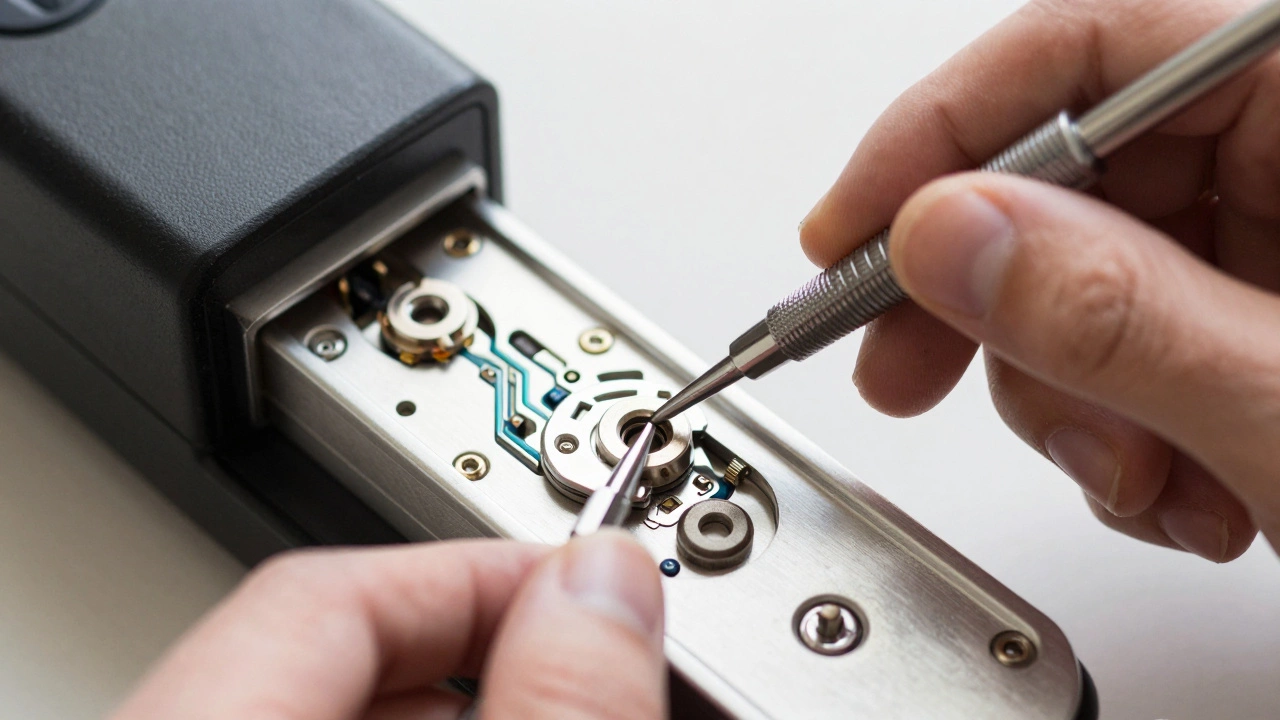
Similarly, high-security locks like Medeco or Mul-T-Lock require specific torque and alignment techniques. Forcing them can damage the mechanism permanently. A skilled technician will take their time to manipulate the pins correctly rather than drilling the lock immediately. Drilling is a last resort because it destroys the hardware, forcing the customer to pay for a full replacement. Patience here saves you money.
How Training Impacts Speed and Efficiency
Here is where the quality of education matters. You might think that experience alone makes a locksmith fast. While experience helps, formal training provides the foundational knowledge to diagnose problems quickly. This is evident in structured vocational programs, such as those found in locksmith training in India. Indian technical institutes emphasize precise manual dexterity and theoretical understanding of lock mechanisms before students ever touch a real-world emergency.
In these programs, students learn:
- Mechanical Theory: Understanding how pins, wafers, and levers interact prevents guesswork.
- Tool Mastery: Knowing which pick, tension wrench, or decoder to use reduces trial and error.
- Electronics Basics: Modern locksmithing involves circuitry and digital key programming. Training covers these basics so technicians don’t panic when faced with electronic failures.
A technician who has undergone rigorous training doesn’t waste time experimenting. They recognize the lock type within seconds and select the correct approach. Conversely, an untrained individual might spend 20 minutes trying to force a lock that requires a subtle turning motion. Proper training actually speeds up the process because it eliminates mistakes.
Moreover, certified technicians are trained in safety protocols. They know how to secure a scene, assess risks, and communicate effectively with clients. This professionalism streamlines the interaction, reducing the back-and-forth questions that can cause delays.
Common Misconceptions About Locksmith Delays
Let’s address some myths. Many people believe locksmiths intentionally delay arrival to charge higher rates. While unethical practices exist in any industry, reputable companies operate on fixed pricing or transparent hourly rates. Delaying arrival doesn’t benefit them; it hurts their reputation and frees up their schedule less efficiently.
Another myth is that locksmiths live nearby. Most professionals operate out of central hubs or mobile vans that travel across city limits. They don’t park around every neighborhood waiting for a call. They respond from wherever they are currently located. If the nearest tech is 20 minutes away, that’s simply the distance.
Also, consider the weather. Extreme heat, snow, or heavy rain slows down travel and makes physical work harder. Technicians move slower in hazardous conditions to avoid accidents. This is a safety measure, not an excuse.
| Factor | Impact on Time | Reason |
|---|---|---|
| Traffic Conditions | High | Urban congestion can double travel time unexpectedly. |
| Verification Process | Medium | Proof of ownership checks prevent unauthorized entry. |
| Lock Complexity | Variable | Electronic or high-security locks require specialized tools. |
| Technician Training | Negative (Reduces Time) | Better training leads to faster diagnosis and execution. |
| Weather | Medium | Poor conditions slow travel and increase caution on-site. |

What You Can Do to Reduce Wait Times
You have some control over how quickly help arrives. First, prepare your information before you call. Have your ID ready. Know your address precisely. If you’re in a car, note the make, model, and year. This allows the dispatcher to send the right technician immediately.
Second, consider preventative maintenance. If your locks are stiff or hard to turn, get them serviced before you’re locked out. A well-maintained lock is easier to work with. Also, keep a spare key with a trusted neighbor or family member. This eliminates the need for a locksmith entirely in minor emergencies.
Third, choose a local provider. National chains may have broader coverage, but local locksmiths often have better knowledge of neighborhood traffic patterns and building types. They may also offer faster response times because they serve a smaller geographic area.
Finally, understand that patience pays off. Rushing a locksmith can lead to damaged locks, broken keys, or security vulnerabilities. Allow them the time to verify your identity and perform the job correctly. The goal is not just to get in, but to stay secure.
The Future of Locksmithing Technology
As technology evolves, so does the locksmith profession. Smart locks, biometric scanners, and app-controlled entry systems are becoming common. These devices reduce the need for traditional picking but introduce new challenges. Software glitches, battery failures, and connectivity issues require technicians to be part mechanic, part IT specialist.
Training programs are adapting to this shift. Courses now include modules on cybersecurity and electronic diagnostics. This ensures that future locksmiths can handle both mechanical and digital locks efficiently. For consumers, this means that while the tools change, the core value of a skilled, verified professional remains essential.
In conclusion, the next time you wonder why a locksmith is taking so long, remember the layers of complexity involved. From traffic and verification to lock mechanics and safety protocols, every minute counts toward ensuring your property is secured properly. By understanding these factors, you can manage your expectations and appreciate the expertise required to resolve your situation safely and effectively.
How much should I expect to pay for an emergency locksmith?
Costs vary widely based on location and time of day. In major cities like Toronto, expect to pay between $100 and $300 for basic lockouts. Complex jobs involving rekeying or electronic locks can cost significantly more. Always ask for an upfront estimate before work begins.
Is locksmith training in India recognized internationally?
While specific certifications may differ, the fundamental principles of lock mechanics are universal. Many Indian vocational programs provide strong technical foundations that translate well globally. However, local licensing requirements in countries like Canada or the US must still be met to practice legally.
Can I speed up the verification process?
Yes. Have your government-issued ID and a document proving your address (like a lease or utility bill) ready before the technician arrives. If you’re locked out of a rental, have your landlord’s contact information handy to confirm your tenancy quickly.
Why do some locksmiths refuse to drill my lock?
Drilling destroys the lock cylinder, requiring a full replacement which is expensive. Reputable locksmiths attempt non-destructive entry methods first to save you money. They only drill if necessary or if you explicitly authorize it due to time constraints.
What should I do if a locksmith arrives too late?
If the delay is unreasonable and not due to traffic or verification, ask for an explanation. If you feel misled, you have the right to cancel the service. Keep records of your communication and consider reporting unethical behavior to consumer protection agencies.
Leave a comments