Vocational Training: High-Paying Skills You Can Learn Without a Degree
When you think of vocational training, hands-on learning that prepares you for a specific trade or job, not academic theory. Also known as skill-based education, it's how millions in India are skipping college and starting careers in just months. This isn’t about memorizing textbooks. It’s about learning to wire a house, run ads that sell, fix pipes, or code apps—skills employers actually need right now.
Many of the highest-paying jobs don’t require a degree. Take electrician training, a trade where you learn to install, maintain, and repair electrical systems. Also known as electrical apprenticeship, it’s one of the fastest ways to earn $25–$45 an hour in places like Tennessee or Texas—no student loans needed. Or look at digital marketing, the practice of promoting products or services using online channels like social media, search engines, and email. Also known as online marketing, it’s a field where someone with no degree can land a $60,000+ job in under a year by mastering tools and data. These aren’t outliers. They’re the new normal.
What makes vocational training work for so many? It’s direct. You learn what you’ll use on day one. You get certified, not just graded. And you often get paid while you train—through government programs or apprenticeships. Women are jumping into these fields faster than ever, choosing careers in trades and tech because they offer real pay, flexibility, and growth. You don’t need to be great at math to be an electrician. You don’t need a business degree to run profitable ads. You just need the right training.
Below, you’ll find real guides on what these jobs actually pay, how to start with zero experience, which courses are worth your time, and how to pick the path that fits your life—not someone else’s idea of success. Whether you’re wondering if you can learn English for work, switch to a trade, or start a side hustle in digital marketing, the answers are here—no fluff, just what works.
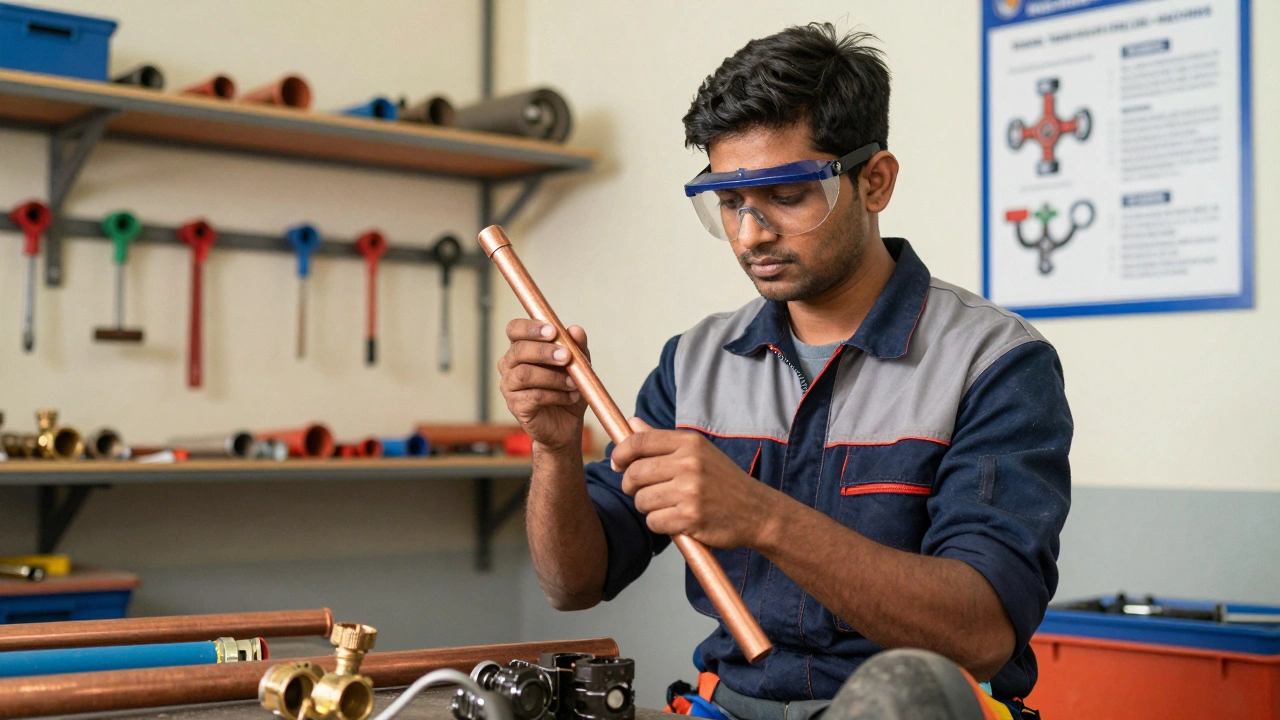
Why Are Plumbers So Highly Paid? The Real Reasons Behind the Salary
Discover why plumbers command high salaries in 2026. From severe labor shortages to high liability risks, learn the real economic drivers behind plumbing wages and why vocational training is a smart career move.
Details +
How to Choose the Best Trade School for Your Career Goals
A practical guide to choosing the best trade school by evaluating costs, accreditation, job demand, and hands-on training opportunities for your career.
Details +
Is a Diploma Course Worth It in India? Real Benefits and Career Paths
Discover the real benefits of pursuing diploma courses in India. Learn about career fast-tracking, lateral entry to degrees, and the practical edge over traditional degrees.
Details +
What Qualifications Do I Need for Fashion Design in 2026?
Explore the necessary qualifications, educational paths, and skills required to succeed in fashion design today.
Details +
What is the Hardest Trade to Get Into in India? A Realistic Guide
Discover which vocational paths demand the most skill, time, and effort. We break down the toughest trade courses in India, from licensing hurdles to physical demands, to help you choose wisely.
Details +
What Is the Difference Between College and Vocational Training?
College and vocational training offer different paths to careers. Learn how they compare in cost, time, job outcomes, and government support - and which one makes sense for your goals.
Details +
What Is Vocational Training With Examples?
Vocational training gives women practical skills for high-demand jobs like electrician, welder, and IT support-without college debt. Learn how real programs in Canada are changing careers.
Details +
Vocational Credentials Explained: Skills, Careers & How to Get Certified
Get to know what vocational credentials mean, why they matter for real-world jobs, and how to earn them. Find helpful facts, tips, and steps for your career path.
Details +
Career Opportunities in Vocational Training for Women: Four Smart Choices
Curious about practical jobs women can train for? This article breaks down four solid career options available through vocational training programs. You'll learn what these jobs involve, what skills you'll pick up, real success stories, and tips on how to get started. The focus is on real opportunities you can grab now, without the need for a four-year degree. Simple advice, honest answers, and practical next steps for those ready to level up their work life.
Details +
Discovering the Big Benefits of Vocational Training
Vocational training programs play a crucial role in equipping individuals with the necessary skills for diverse careers, boosting both personal growth and economic development. These government-backed initiatives provide hands-on experience and practical knowledge, facilitating smoother transitions into employment. By focusing on targeted skill sets, vocational education helps reduce the skill gap and increases employability. Its tailored approach benefits a wide array of learners, whether they are entering the workforce for the first time or seeking new career paths.
Details +
Best Trade Courses for Beginners in India: A Comprehensive Guide
Choosing the right trade course is a crucial step for anyone looking to start a skilled trade career in India. With various options available, it can be overwhelming to decide which path to pursue. This guide explores some of the best trade courses for beginners, providing essential information on what each course entails, the skills gained, and the potential career opportunities. Whether interested in culinary arts, electrical work, or automotive trades, India offers a diverse range of programs tailored to aspiring professionals.
Details +
Trade Courses vs. Degrees: Making the Right Choice in India
Choosing between a trade course and a degree in India can shape your career in distinct ways. Understanding job market trends, costs, and personal preference is essential in this decision-making process. While degrees often open doors to a wider range of professional fields, trade courses provide hands-on skills and quicker entry into the workforce. By weighing factors such as industry demand and learning styles, individuals can make informed career choices.
Details +